.avif)
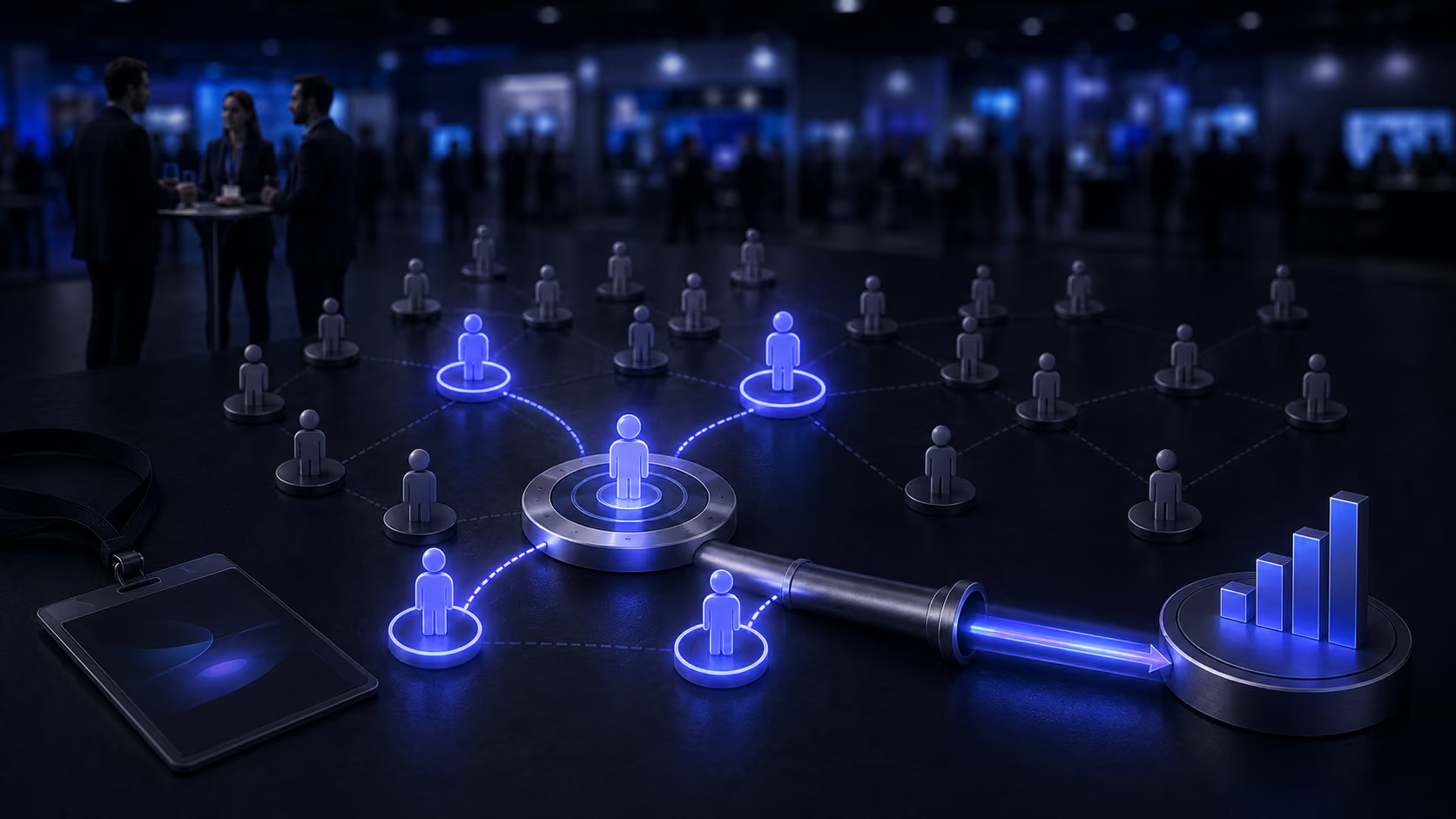
Many exhibitors leave a trade show with a large scan list but little attributable pipeline. The badge scanner did not necessarily fail; the system around qualification, ownership, and follow-up did. This article builds a different system that starts before the show opens and ends with pipeline the team can trace.
TLDR
- Pre-show list building gives the team time to research accounts and book contextual meetings
- Qualify every lead on the floor using a three-tier framework: pain point, timeline, ICP fit
- Use QR codes, tablet kiosks, and CRM tagging at the point of capture, not after you fly home
- Follow up within 48 hours with a specific reference to the conversation, not a generic "great to meet you"
- Track meetings, opportunities, pipeline, and revenue within a window aligned with the sales cycle, not badge count
This is the full trade show lead-generation strategy. For one specific task, use the focused guides on lead capture methods, lead retrieval apps, lead qualification and scoring, or post-show follow-up.
What Is Trade Show Lead Generation & Why Most Exhibitors Get It Wrong?

Trade show lead generation is the process of identifying, qualifying, and converting event attendees into sales pipeline entries before, during, and after a trade show. Read about what is a trade show if you want the full context on how shows are structured and where lead gen fits.
The core problem is that exhibitors confuse contact capture with lead generation. Scanning a badge gives you an email address. It does not give you a lead.
A lead is a qualified pipeline entry: someone with confirmed ICP fit, a known pain point or use case, and a specific next step agreed at the booth. Trade shows bring buyers and influencers together, but attendance alone does not make every contact qualified.
Measurement note. Event benchmarks vary because teams define scans, qualified leads, meetings, and opportunities differently. The targets in this guide are operating examples; set final goals from your own deal capacity, historical conversion, event cost, and sales follow-up data.
Badge Scans Are a Vanity Metric
A high scan count can still produce few meetings when qualification and follow-up ownership are weak. Track scans, qualified leads, replies, meetings held, opportunities, and pipeline separately so the failure point is visible.
The problem is not effort. It is starting at the wrong point in the funnel.
Reps are spending hours scanning people who have no fit, no pain, and no timeline. That is not a pipeline problem. It is a qualification problem that starts before you even pack your booth.
What a Real Trade Show Lead Looks Like
A real trade show lead has three elements: confirmed ICP fit (title, company size, industry), a pain point or use case that maps to your product, and a specific follow-up action agreed at the booth before the conversation ended.
That changes everything about how you approach the show.
Practical next step: Ready to move beyond walk-up traffic? Lensmor helps teams research events and exhibitors, identify decision-makers, and surface signal-based likely attendees for pre-show outreach. Predictions are probabilistic, not organizer-confirmed attendance. Build the next trade show target list.
Build Your Lead List Before the Show Opens
Trade show lead generation should begin before the team arrives. Start early enough to research accounts, personalize outreach, and confirm meetings without rushing.
Pre-event outreach can improve booth traffic and meeting quality because the team arrives with a list and a reason to engage. The teams generating pipeline are not always those with the biggest booths; they are the ones that know whom they want to meet.
Step 1: Get the Attendee List
Most trade shows share attendee data through an event app, an exhibitor portal, or a dedicated networking platform. Look for name, title, company, and registered session interests where available.
If the organizer does not share a list, use the LinkedIn event page, speaker roster, and sponsor list as proxies. These are imperfect but workable starting points.
Step 2: Cross-Reference Confirmed Attendees Against Your ICP
Filter the list by title, company size, and industry vertical. Score each prospect: Tier 1 (perfect ICP fit), Tier 2 (adjacent fit), Tier 3 (speculative).
Focus the highest-touch outreach on Tier 1 accounts. Keep the list small enough for genuine research, personalized contact, and persistent follow-up.
Most exhibitor teams arrive hoping for foot traffic. Lensmor helps teams analyze exhibitors and publicly available attendance signals, then identify relevant company contacts. Treat predicted attendees as leads for research, not confirmed registrants.
Step 3: Set a Pre-Booked Meeting Target
Set a pre-booked meeting target from rep capacity, deal size, and historical show-up rate. Pre-booked meetings usually provide more context than random floor conversations, but measure the conversion difference in your own CRM.
How to book them: personalized LinkedIn outreach that references the specific event, followed by an email with a calendar link. Keep the ask narrow — 20 minutes, specific topic, specific day.
Step 4: Pre-Show Outreach Sequence (LinkedIn + Email)
Run this sequence starting four weeks out:
- Day 1 (4 weeks out): LinkedIn connection request with a personalized note referencing the show by name
- Day 3: DM or email with a specific reason to meet based on a use case match, not a product pitch
- Day 7: Calendar invite or meeting scheduler link
- Day of show: Brief confirmation message with your booth number
For the full pre-show prep checklist, see the trade-show-checklist-first-time-exhibitors guide.
Trade Show Booth Lead Generation Ideas
At-booth tactics only matter if the right people show up. But once they're there, the booth has to convert them. See how to collect leads at a trade show for a deeper breakdown of capture mechanics.
Design Your Booth Around Buyer Journeys, Not Your Org Chart
The most common booth mistake: displays organized by product category the way your internal teams are structured. Visitors do not care about your org chart.
What works: group touch points by use case or buyer pain point. Orient every station around visitor intent, not internal product names, and measure which stations produce qualified conversations.
Interactive Tech That Earns Its Real Estate
Touchscreens work best as self-guided demo stations, not looping PowerPoints. Give the visitor control of the experience and they will stay longer.
AI kiosks can handle FAQs and basic pre-qualification before a rep engages. AR can be useful for large equipment or complex software that is difficult to demonstrate in a small booth. Use interactive content only when it helps the visitor understand a use case or take a measurable next step.
Gamification That Qualifies While It Engages
Bad gamification: a business card raffle. It attracts everyone and qualifies no one.
Good gamification: a quiz that routes visitors to a tailored product recommendation based on their answers, or trivia that educates while capturing contact data. Require a specific action to enter, not just a dropped card. Leaderboards extend engagement and give people a reason to return to your booth on day two.
VIP Lounge for Decision-Makers
A quiet, invitation-only space with comfortable seating signals exclusivity and screens out junior attendees. Require a badge scan plus a title qualifier to enter.
This space serves two functions: it is where your pre-booked Tier 1 meetings happen, and it creates a natural setting for spontaneous VP and C-suite conversations that never would have happened at a crowded booth.
Lead Capture Tools and Systems
Your capture tool determines the quality of data you walk away with.
Badge Scanners vs. Tablet Kiosks vs. Business Cards
Badge scanners are fast but shallow. The data you get is name, title, and email. No pain point, no qualification context, no agreed next step.
Tablet kiosks take 60 to 90 seconds per interaction and return dramatically richer data. QR code forms match tablet kiosks in data quality and are faster to deploy at scale.
QR Codes Done Right
The most common QR code mistake: linking to your homepage. The visitor lands in a sea of navigation options, picks nothing, and leaves.
What works: QR code goes to an event-specific landing page with a single CTA, whether that is a content download, demo request, or prize entry. Post-scan flow should trigger an immediate email with the promised resource and auto-tag the contact in your CRM for show follow-up.
CRM Integration at the Point of Capture
Every lead capture conversation starts with context when you already know the attendee's role and ICP fit. Lensmor's exhibitor intelligence means your team arrives with a prioritized hit list, so every badge scan comes with pre-loaded context — not a stranger's business card.
Tag every lead at capture with four fields: campaign name, show name, date, and tier. Required custom fields per lead: role, company size, pain point noted, follow-up action agreed.
Set up your CRM campaign before the show opens. Create the campaign, configure automatic tagging for all show leads, and confirm sync between your capture tool and CRM before you land.
How to Qualify Trade Show Leads on the Floor
Most exhibitors qualify nothing. They talk to everyone and follow up with no one effectively.
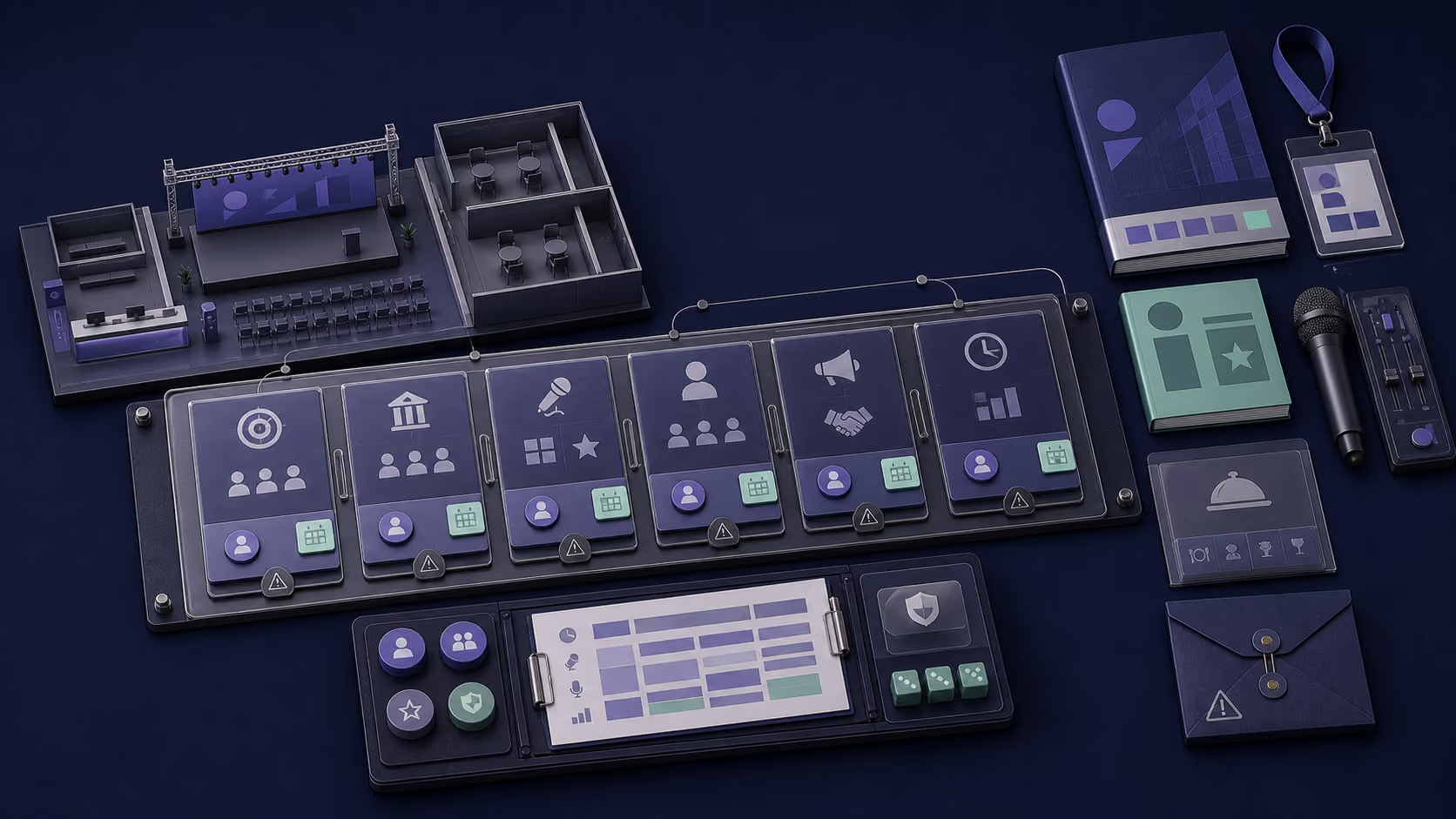
The 3-Tier Qualification System
This framework forces a decision at the point of capture. Every contact gets a tier before the rep moves to the next conversation.
Open-Ended Questions That Surface Buying Intent
Four questions that consistently surface buying signals on the floor:
- "What's bringing you to this show this year?" surfaces goals and priorities
- "How are you currently handling [the problem your product solves]?" surfaces process pain
- "What would have to be true for you to change that?" surfaces the buying trigger
- "Who else on your team is involved in decisions like this?" maps the buying committee
These are not scripts. They are starting points. The answers tell you which tier the contact belongs in before the conversation ends.
Staff Training: What to Note Beyond the Badge Scan
Train every rep to add a voice memo or typed note within 60 seconds of each conversation ending. Required captures: pain point stated, timeline mentioned, next step agreed, follow-up action.
Run a brief debrief every evening on the show floor. Which Tier 1 contacts need same-day follow-up? Which pre-booked meetings from tomorrow need to be confirmed tonight?
Trade Show Advertising and Promotion Strategies

Pre-show promotion multiplies at-show results.
Pre-Show Digital Advertising (Geofenced + LinkedIn)
Geofenced mobile ads targeting the event venue zip code in the two weeks before the show put your brand in front of attendees who are already in research mode.
LinkedIn Sponsored Content targeting job titles that match your ICP, filtered to the show dates and location, reaches the same audience in a higher-intent context. Retarget everyone who visits your event landing page with a meeting-booking CTA. These visitors already know the show exists and already know your company.
Earned Media and Trade Press Coverage
Secure a product announcement or case study placement in the show's official media outlet before the event opens. Pre-show press coverage increases inbound booth traffic because attendees recognize your brand on the floor and arrive with context.
Request a press pass. Trade press journalists are actively looking for exhibitor stories to fill their editorial calendars, and a short product briefing before the show opens costs you 30 minutes and can drive traffic for the full three days.
Social Media Check-In Leads
Create a branded photo moment at your booth: a backdrop, a demo reveal, or a giveaway announcement. Require a follow plus a tag to participate.
This adds social proof and builds a post-event remarketing list. One caution: social media participation should not substitute for qualified lead capture. It supplements it.
Off-Floor Lead Generation Tactics
The best conversations at trade shows often happen away from the booth.
Speaking Slots and Panel Positioning
A speaking slot positions the team as a subject-matter authority before the booth conversation begins. Post-session conversations often start with more context than cold booth traffic; tag the source and compare downstream meeting and opportunity rates.
Ask conference organizers about last-minute speaking opportunities. Cancellations happen at every major show. Organizers fill those slots fast, and exhibitors with a ready talk are first in line.
Sponsored Networking Events
Host or co-host a networking happy hour for 30 to 60 attendees filtered by ICP. Use the event app or organizer data to invite Tier 1 targets specifically.
This shifts your position from vendor at a booth to host who brought the right people together. That is a fundamentally different starting point for a sales conversation.
The Hallway Strategy
Conference hallways, lunch lines, and registration queues are where candid conversations happen. Attendees are not in "defend against vendors" mode the way they are on the show floor.
Assign one team member to roam with no booth duty. Their only job is conversations. Equip them with a one-sentence problem statement, not a pitch deck.
Post-Show Lead Management
The show ends. Your pipeline window is open for exactly 48 hours.
The 48-Hour Follow-Up Window (and What to Say)
Conversation context fades quickly after the event. Give hot leads a same-day or next-day owner, and route the rest according to the qualification tier and agreed next step.
The goal of the first follow-up is not to sell. It is to confirm the next specific step. Reference something from the actual conversation: a pain point they named, a use case they described, a question they asked. Generic "great to meet you" emails land in the delete folder.
For a complete attribution model that ties post-show follow-up to revenue, see how to measure event ROI.
Tier-Based Follow-Up Templates
Tier 1 (Hot)
Subject: `[Name] — following up on our conversation about [pain point]`
Body: Open with a specific reference to what they said at the booth. Name the pain point directly. Propose a next step with a date and a calendar link. Keep it under 100 words.
Tier 2 (Warm)
Subject: `[Name] — [show name] follow-up`
Body: Reference the conversation briefly. Share one relevant resource (a case study or blog post that matches their stated use case). Close with a soft CTA: "Would it make sense to connect in 2 to 3 weeks?"
Tier 3 (Cold)
Add to a four-week nurture sequence. No personal outreach until they engage with content.
Track Every Lead Back to Pipeline
Tag every CRM contact with: campaign = [show name], source = trade show, lead tier, and date of capture.
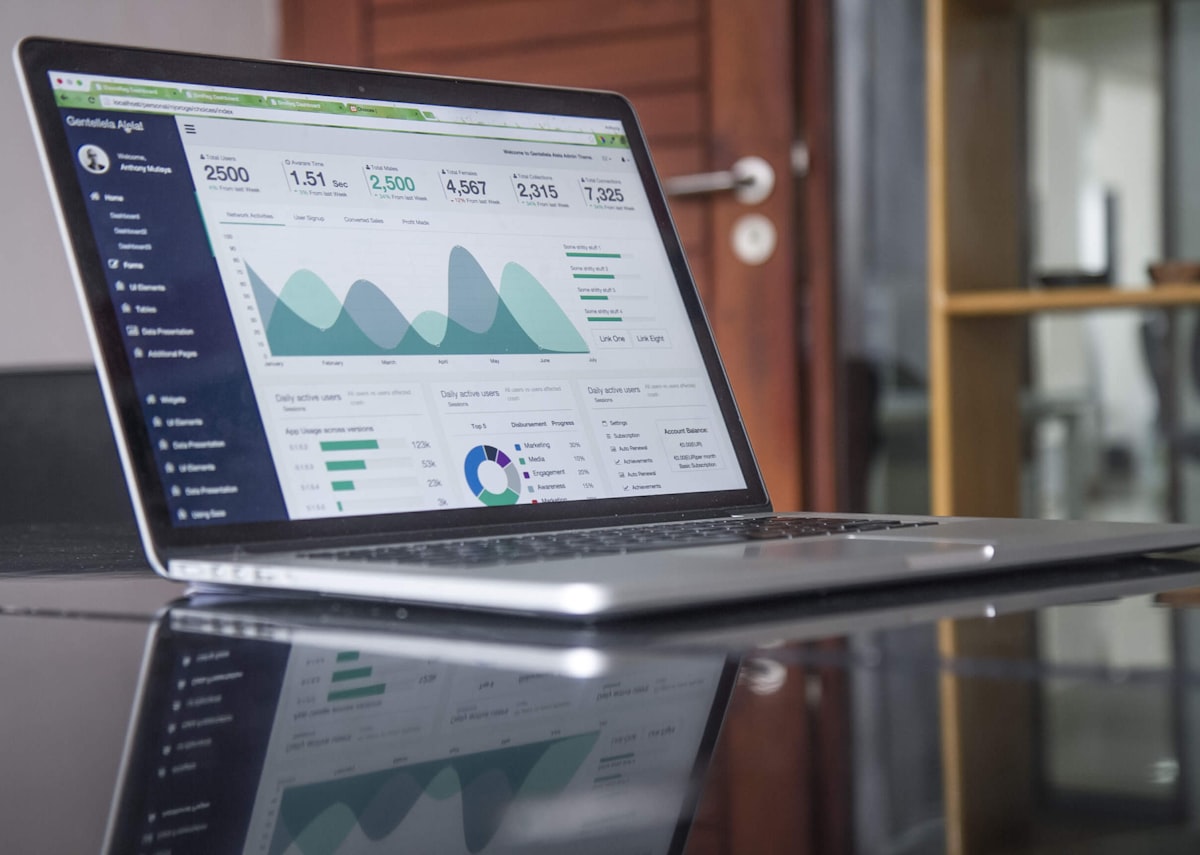
At 30, 60, and 90 days, review which leads progressed and which stalled. Report on four metrics: meetings booked, qualified opportunities created, pipeline attributed, and revenue closed within 90 days.
Badge count is not a metric. See how to measure event ROI for the full attribution model.
Common Trade Show Lead Generation Mistakes
Conclusion
The shift from "attending a trade show" to "running a lead generation system" is a sequencing shift, not a budget one. Pre-show list building, on-floor qualification, and 48-hour follow-up form one repeatable cycle. Each step compounds the one before it.
The teams generating the most pipeline are not the ones with the biggest booths or the most badge scans. They are the ones who show up with names, tier every contact before leaving the floor, and send personalized follow-ups while competitors are still waiting at baggage claim.
Run the system once and the results are clear. Run it three shows in a row and you have a repeatable demand generation channel.