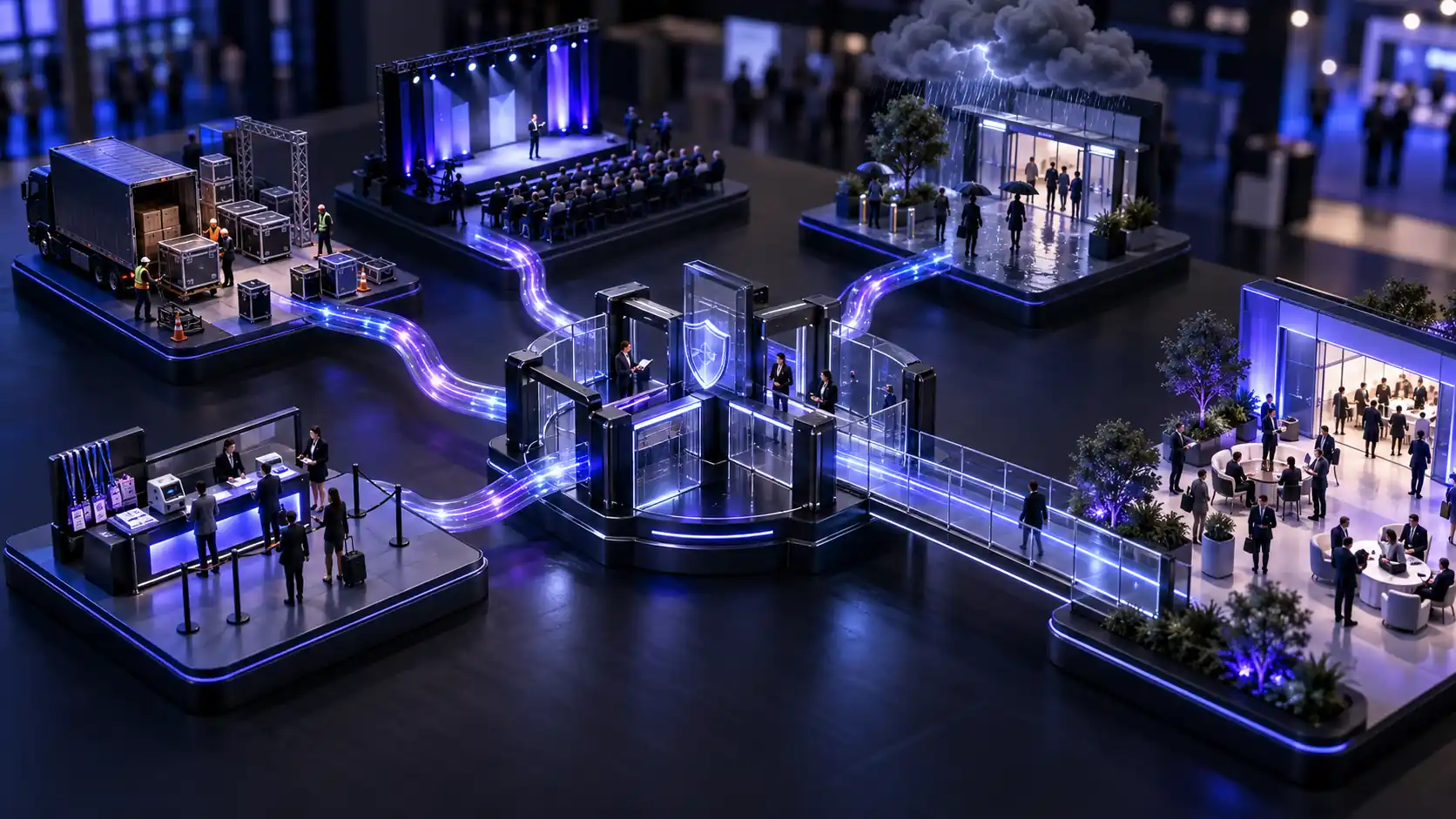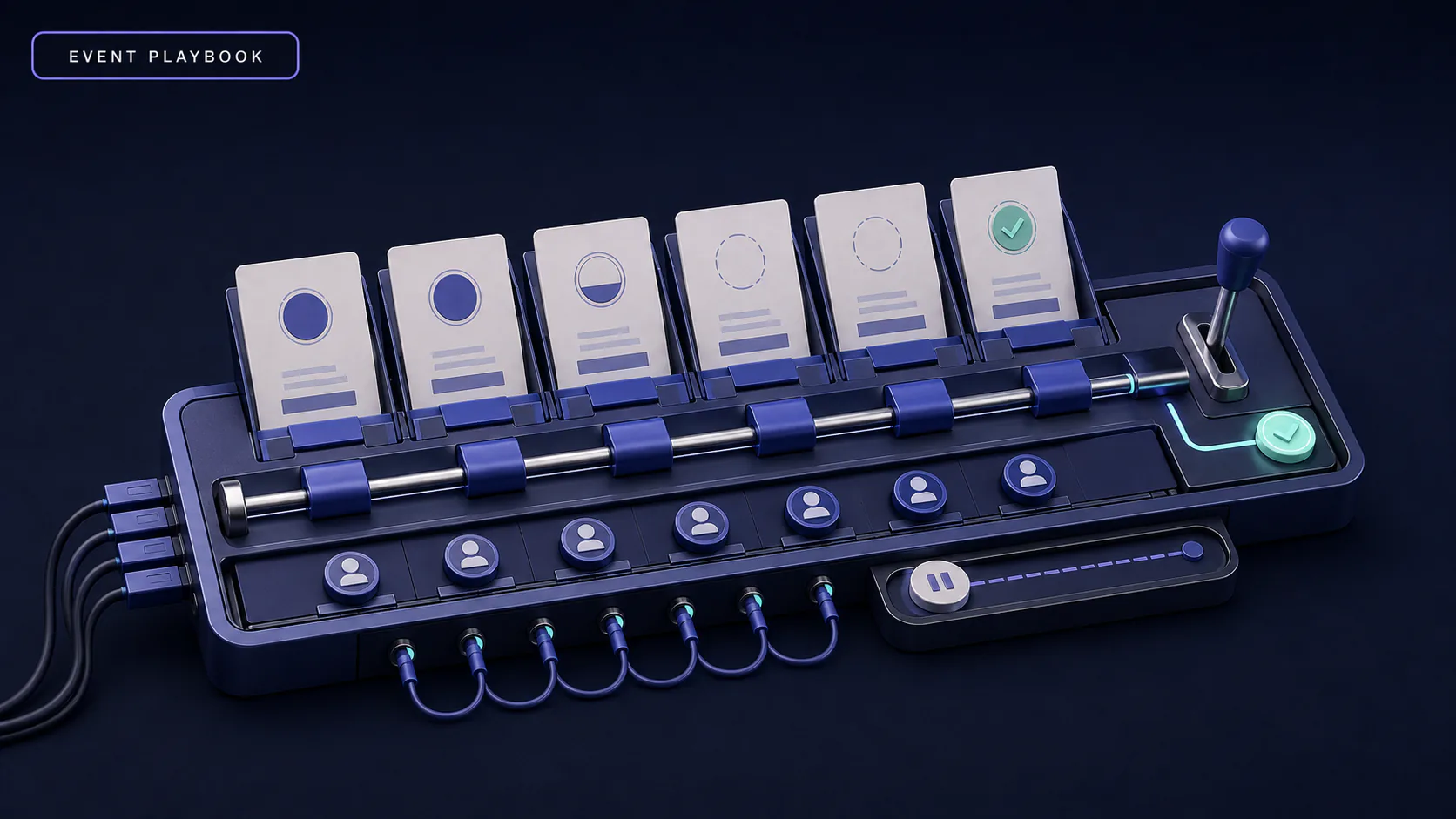
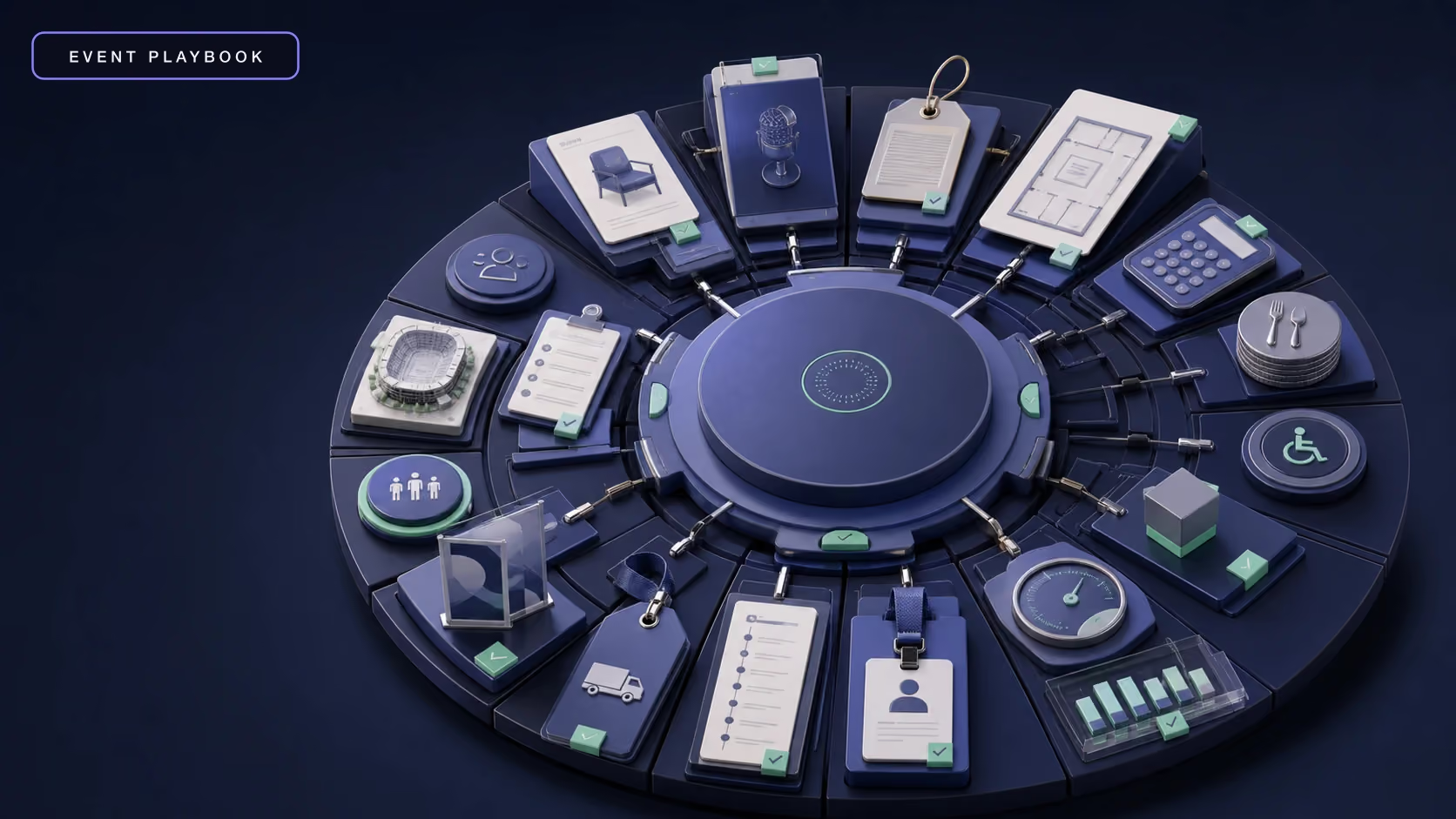
Most events fall apart in the weeks before they happen, not on the day itself. These 18 tips close the gap between a good plan and a flawless execution.
TL;DR:
- Start planning 6–12 months out for large events; 8 weeks minimum for small ones
- Define a SMART goal before booking anything — every other decision flows from it
- Build a 10–15% contingency fund into every budget before you spend a dollar
- Research your attendees in advance — it shapes programming, format, and follow-up
- Post-event follow-up is where ROI is won or lost; most planners stop too early
Define Your Event Goals and Success Metrics

Set SMART Goals Before You Book Anything
The first mistake most event planners make is jumping to logistics before they know what success looks like. Before you book a venue or send a single invitation, write down one clear goal for the event.
SMART goals work here because they force specificity. "Host a successful conference" is not a goal. "Generate 150 qualified leads from mid-market SaaS companies at our October summit" is a goal. Everything from your venue size to your speaker lineup should serve that statement.
Once you have the goal, name three to five metrics that will tell you if you hit it. For a lead-gen event: number of leads captured, percentage of attendees who booked a follow-up call, net promoter score. For a brand event: media mentions, social impressions, attendee satisfaction score.
Choose KPIs That Match Your Event Type
Not every event is measured the same way. A product launch has different success metrics than a trade show booth or an annual user conference.
Match your KPIs to your event format before planning starts:
- Lead generation events: contacts captured, SQLs generated, pipeline attributed
- Brand awareness events: media coverage, social reach, attendee sentiment
- Education/training events: completion rates, knowledge retention scores, repeat attendance
- Community events: return attendance rate, referrals, engagement during sessions
Build Your Event Planning Timeline
A timeline is not a to-do list. It is a forcing function that surfaces conflicts before they become emergencies.
6-Month Timeline for Large Events
Work backwards from the event date. Most planners start too late on venues and speakers, which compresses every other decision.
- 6 months out: Lock venue, set budget, confirm keynote speakers
- 4 months out: Open registration, launch promotional calendar, brief vendors
- 3 months out: Confirm all speakers, finalize agenda, open sponsor conversations
- 8 weeks out: Finalize A/V, catering, signage; send attendee communications
- 4 weeks out: Confirm headcount with all vendors, brief staff, send run-of-show
- 1 week out: Walk the venue, confirm day-of logistics, pre-brief speakers
- Day of: Arrive early, run through setup checklist, brief registration staff
- 48 hours after: Send survey, compile metrics, brief internal stakeholders
8-Week Timeline for Smaller Events
Smaller events compress, but the sequence stays the same:
- Week 8: Venue, budget, core agenda confirmed
- Week 6: Invitations sent, speakers confirmed, registration open
- Week 4: Vendor briefs, materials ordered, promotional push begins
- Week 2: Final headcount, run-of-show drafted, staff briefed
- Week 1: Final confirmations, venue walkthrough
- Day of: Setup two hours before doors open
Pro Tip: Build a 15% time buffer into every deadline in your timeline. If the venue contract is due on the 15th, your internal deadline is the 12th. Buffers don't slow you down — they absorb the one thing that always goes wrong.
How to Build a Realistic Event Budget?
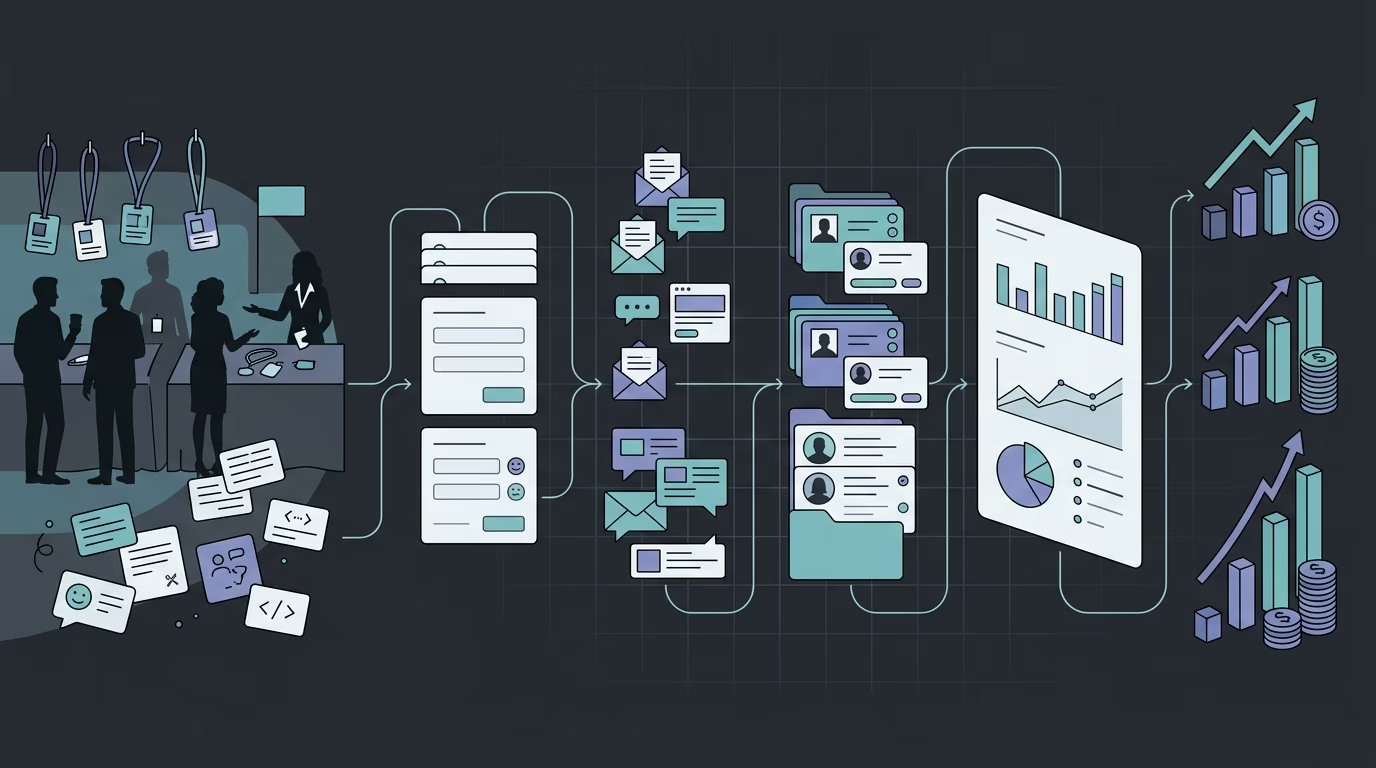
The single biggest event planning mistake is building a budget that only covers what you expect. The second biggest is not knowing where your money goes.
How to Allocate Your Event Budget by Category?
Here is a standard allocation framework for a mid-size corporate event. Adjust based on your event type, but the ratios hold across most formats:
Hidden Costs Most Planners Miss
The contingency fund covers what you know might go wrong. These are the costs most planners don't see until the invoice arrives:
- Wi-Fi overage fees: Venues charge per device or per bandwidth tier. Confirm in writing before signing.
- Union labor rules: Some venues require union crews for A/V setup. This can double your labor cost.
- Shipping and drayage: At trade show venues, expect to pay per hundredweight just to move boxes to your booth.
- Overtime charges: Venues charge by the hour once you run past the agreed end time.
- Printing rush fees: Finalized agendas always change. Budget for a reprint.
Pro Tip: Ask every vendor for a full itemized quote, not a flat rate. "A/V package — $8,000" tells you nothing. Line-item quotes surface the assumptions hidden inside the package price.
Choosing the Right Venue
Your venue is not just a backdrop. It shapes the agenda, the catering, the A/V setup, the accessibility, and the attendee experience from the moment people arrive.
What to Look for in an Event Venue
Start with the non-negotiables:
- Capacity: The venue's stated capacity and your comfortable capacity are different numbers. A room built for 500 standing feels cramped for 300 seated conference-style.
- Location: Is it within 30 minutes of a major airport or transit hub? Attendees who travel make decisions based on logistics.
- Parking: For non-urban events, this is the thing attendees complain about most in surveys.
- Natural light: Full-day events in windowless rooms tank satisfaction scores by the afternoon.
- Breakout rooms: If you have multiple tracks or workshop formats, confirm room count and size before anything else.
Questions to Ask Before You Sign the Contract
Never sign a venue contract without answers to these:
- What is the cancellation and rescheduling policy, and what triggers a force majeure clause?
- Is exclusive catering required, or can you bring outside vendors?
- What is the load-in window, and are there union labor requirements for setup?
- What is the internet bandwidth, how is it provisioned, and what does overage cost?
- Is there a noise curfew or sound restriction?
- Are there competing events in the building the same day?
Know Your Attendees Before You Plan a Single Session
Most event planners design the agenda first and figure out the audience second. That is backwards.
Your attendees' job titles, industries, and goals determine everything: session length, content depth, networking format, and the language you use in your marketing.
Build Attendee Personas for Smarter Programming
Pull your past attendee data. If this is your first event, pull your customer data. Build two to three personas based on role, company size, and goal.
A persona for a B2B trade show might look like:
- Persona A: VP of Sales, 200-person SaaS company, attending to find new lead gen tools and benchmark competitors
- Persona B: SDR Manager, 50-person startup, attending to learn prospecting tactics and meet vendors
- Persona C: Field Marketing Manager, enterprise company, attending to scout event sponsorship opportunities
Once you have personas, every session title, every speaker brief, and every networking format gets filtered through them.
Research Attendees and Exhibitors in Advance
For trade shows and conferences, attendee and exhibitor lists are available before the event. Use them.
Pre-event research tells you which prospects are worth scheduling time with before doors open, which competitors will have booths you need to walk, and which sessions your target buyers are most likely to attend.
Most attendees wing it. The ones who show up with a pre-built target list consistently close more conversations than those who don't.
Pro Tip: For trade shows, contact the event organizer 6 weeks before the show and ask for the exhibitor prospectus. Most publish it publicly, but organizers will send a full list on request. Cross-reference against your CRM to find accounts you have never reached before.
Master Event Logistics and Vendor Management
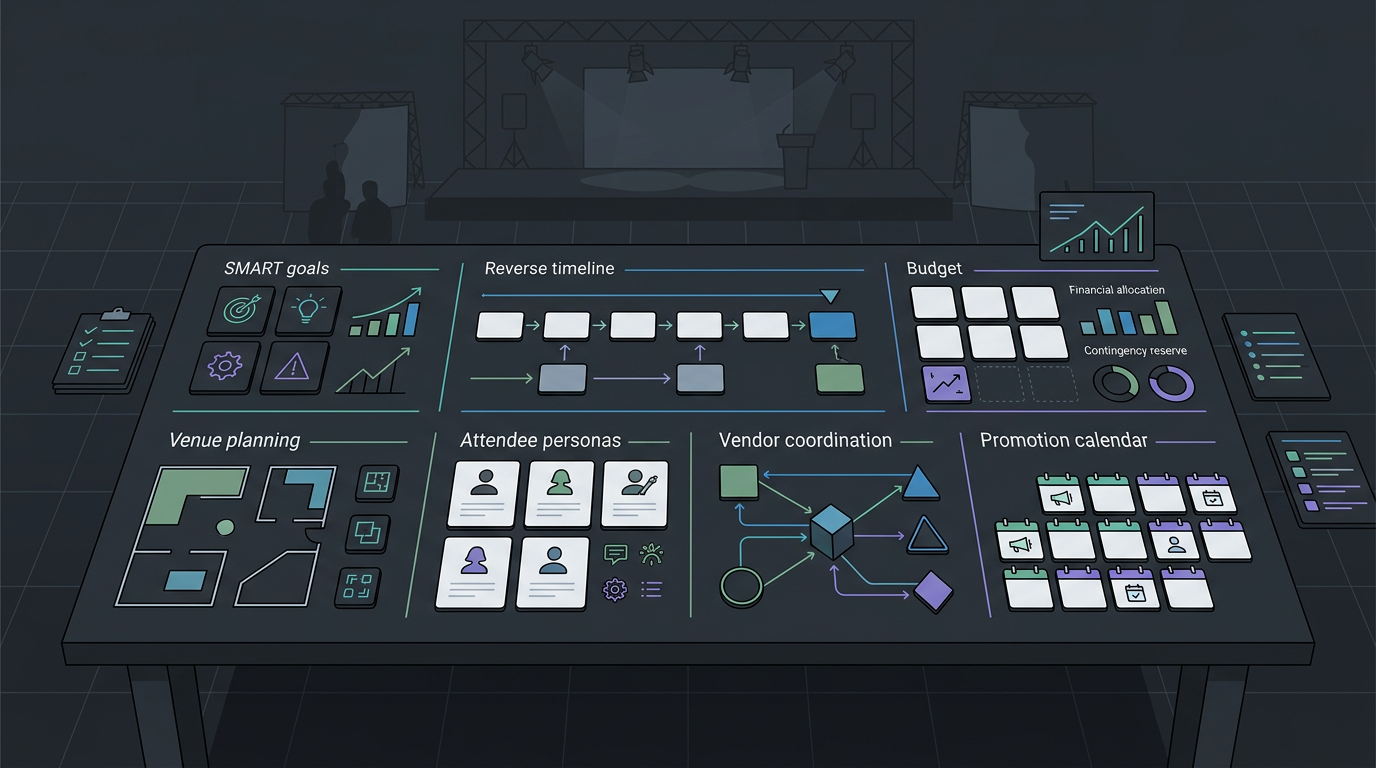
Good vendor management is invisible. Bad vendor management ruins the day.
Build a Single Master Vendor Sheet
Every vendor — venue, catering, A/V, rentals, printing, security — goes into one master spreadsheet with contact name, email, phone (main and backup), confirmed deliverables and quantities, payment schedule and outstanding balance, delivery or setup window, and cancellation terms.
Share it with every internal stakeholder. When something goes wrong on-site, you need answers in 60 seconds, not 20 minutes.
Confirm Everything in Writing, Twice
Verbal confirmations don't exist in event planning. Send a summary email after every vendor call. Two weeks before the event, send a formal confirmation with full deliverable details and ask for written acknowledgment.
The vendor who confirms in writing twice is the vendor who shows up.
Promote Your Event to the Right Audience
A full room is harder to achieve than a well-planned agenda. Most events underinvest in promotion and then over-invest in last-minute discounts.
For a thorough breakdown of how to build a full event promotion calendar, see our guide on event marketing strategies.
Build a Promotion Calendar, Not a Campaign
A campaign is a burst. A calendar is sustained. Start promotion 8–12 weeks before the event, not 3 weeks before you need registrations. Here is a basic event planning checklist for promotion:
- Weeks 12–10: Save the date, early-bird pricing, email list announcement
- Weeks 9–7: Speaker reveals, session previews, targeted paid ads
- Weeks 6–4: Social proof (past attendee testimonials, speaker content), referral push
- Weeks 3–2: Last chance messaging, session-specific promotion, partner co-promotion
- Week 1: Logistics email to registered attendees, day-of reminder
Use Segmented Outreach, Not Broadcast Email
One email to your full list underperforms every time. Segment by past attendees vs. first-timers, company size or industry (especially for B2B events), and registration status (registered, opened but didn't convert, never opened).
Each segment gets a different subject line, different body copy, and a different call to action.
Use Event Technology to Streamline Execution
The right event tech stack reduces manual work, improves the attendee experience, and generates data you can act on.
Choose Your Core Event Tech Stack
Use Technology for Real-Time Engagement
The best event apps do three things: let attendees build their own schedule, enable attendee-to-attendee networking, and push real-time updates when sessions run late or rooms change.
Virtual event planning tips follow the same rule — pick one engagement tool and brief your attendees on it before the event. A tool nobody uses is worse than no tool at all.
For a task-by-task comparison, use this guide to AI tools for event planning before adding another product to your stack.
Post-Event Follow-Up: Where ROI Is Won or Lost
The event ends. Most planners exhale and move on. That is the moment your competitors convert the leads you both collected.
Post-event follow-up is not a courtesy. It is the bridge between a good conversation and a closed deal.
[IMAGE PLACEHOLDER — post-event follow-up scene]
Send Surveys and Collect Feedback Within 48 Hours
The 48-hour window matters. Attendee recall drops sharply after two days, and survey response rates follow it.
Send a short survey — five questions maximum:
- Overall satisfaction (1–10 scale)
- One thing we did well
- One thing we should improve
- Which sessions were most valuable?
- Would you attend again?
The data shapes your next event. The act of sending it shapes how attendees perceive this one.
Turn Your Event Into a Marketing Asset
A two-day event creates weeks of content: a Day 1 recap published the morning of Day 2, speaker quotes turned into social cards, session recordings cut into 90-second clips for LinkedIn, key stats packaged into a press release, and a photo gallery sent to attendees as a follow-up touchpoint.
Most of this content gets produced anyway. The difference is whether you plan for it before the event or scramble for it after.
Pro Tip: Brief a dedicated content person the week before the event. Their job on the day: capture quotes, photos, and session highlights in real time. You cannot recreate that footage after the fact.
Related reading: event budget planning guide.
Conclusion
Event planning is a series of decisions made under pressure with incomplete information. The planners who consistently execute well aren't necessarily more experienced — they have better systems.
The 18 tips above are the system. Goals before logistics. Timeline before tactics. Budget with contingency. Attendees researched before the agenda is built. Vendors confirmed in writing, twice. Content captured in real time. Follow-up sent within 48 hours.
Apply them in sequence and the events you run next year will look different from the ones you ran last year.