.avif)
Most event marketing runs like a checklist. A few emails, a LinkedIn post, maybe a recap blog, and then everyone wonders why registration stalled and sales cannot trace a single closed deal back to the event. Here is how to do it differently, from the first campaign to the last follow-up.
- Event marketing means promoting your events AND using events as a marketing channel
- Three phases decide ROI: pre-event buzz, during-event engagement, post-event follow-up
- Email with segmentation is the highest-conversion channel for event registration
- Most leads die within 48 hours without a structured follow-up system
- The 5 P's, 5 C's, and 3-3-3 Rule are the frameworks every event marketer needs
What Is Event Marketing?

Event marketing has two definitions, and both matter. The first: the collection of marketing tactics used to promote an event, drive registrations, and fill seats. The second: the strategic use of events themselves as a marketing channel to generate leads, build brand awareness, and accelerate pipeline.
B2B companies use events to shorten deal cycles and build trust with decision-makers who have limited time. B2C brands use events to create emotional connections and social moments that translate into loyalty and word-of-mouth. Both treat events as a revenue channel, not a cost center.
The numbers back this up. According to Cvent, 14% of marketing budgets go to events, making it the second-largest spend category behind online advertising. Experiential marketing ranks as the most effective marketing tactic among industry professionals, beating content marketing, paid search, and social media.
One critical distinction: event marketing is not event management. Event management covers logistics and operations — the venue contract, catering, AV setup, vendor coordination, and on-site execution. Event marketing covers promotion, branding, audience targeting, lead generation, and post-event follow-up. You need both, but they require different skill sets, different timelines, and different success metrics.
Why Event Marketing Works (And When It Fails)
According to Dryfta, 77% of attendees trust a brand more after interacting with it at a live event. No email sequence, display ad, or webinar delivers that level of trust compression. Events create shared experiences that accelerate relationships from cold to warm in hours instead of months.
The core benefits are straightforward: brand awareness with qualified audiences, lead generation at scale, customer engagement that deepens loyalty, relationship building that outlasts the event, and measurable revenue impact when tracked properly.
But events fail regularly, and the reasons are predictable. Teams launch without clear goals, so nobody knows what success looks like. Audience targeting stays broad because "more registrations" feels safer than "fewer, better-fit attendees." Promotion relies on a single channel, usually email, with no backup when open rates dip. And the most common failure: no follow-up system. Leads collected at the booth sit in a spreadsheet for two weeks, context evaporates, and sales reaches out to people who have already moved on.
Benefits for Exhibitors
Exhibitors gain pipeline generation at scale. A three-day trade show puts you face-to-face with hundreds of qualified buyers who already raised their hand by attending. You collect competitive intelligence by watching how prospects interact with competitor booths. Complex products that stall in email threads close faster after a live demo. One 15-minute booth conversation can replace six weeks of back-and-forth scheduling. The ROI compounds when you combine pre-event account targeting with structured lead capture at the booth.
Benefits for Attendees
Attendees compress weeks of product research into a few days of side-by-side evaluation. They attend sessions that deliver concentrated industry education, hearing from practitioners and operators instead of reading another whitepaper. The relationships built at events carry more weight than LinkedIn connections because shared physical context creates memory and trust. Attendees who meet vendors in person move through their buying process faster and with higher confidence in their final decision.
Types of Event Marketing
Event format should serve your goal, not your preference or your budget. Each type attracts a different audience at a different stage of the buying journey.
Trade Shows and Exhibitions
Trade shows are large-scale industry gatherings where exhibitors showcase products and services to high-intent B2B buyers. Attendees arrive with purchase intent. They are evaluating vendors, comparing features, and building shortlists. For exhibitors, trade shows offer lead capture at volume, competitive visibility, and the chance to demo complex products to qualified audiences in a single interaction. If you are new to the format, start with a trade show checklist for first-time exhibitors to avoid the most common logistical mistakes. If you need background on what a trade show actually is and how it differs from conferences or expos, that distinction matters for booth strategy.
Conferences and Summits
Conferences position your brand as a thought leader through keynote presentations, panel discussions, and breakout sessions. They attract larger attendee volumes than trade shows because the draw is education and networking, not just product evaluation. Community building is the long-term asset. Attendees return year after year, creating a captive audience for your brand. Sponsoring or speaking at conferences puts you in front of decision-makers who trust the event organizer's curation.
Webinars and Virtual Events
Webinars offer lower cost per attendee, global reach without travel budgets, and an efficient top-of-funnel tool for lead generation. Post-2020 adoption made them a default format for content delivery. The tradeoff: engagement drops significantly compared to in-person events, especially for complex B2B sales where trust and nuance matter. Virtual events work best as awareness and education tools, not as pipeline accelerators for high-ticket deals.
Brand Activations
Brand activations create immersive, emotionally charged experiences that audiences remember and share. Pop-up events, interactive installations, and experiential campaigns generate social content organically because attendees want to capture the moment. The goal is not lead capture. It is brand loyalty that outlasts the activation itself. B2C companies use these to turn passive awareness into active advocacy through shared emotional experiences.
B2B Events and Executive Roundtables
Invite-only events with 15 to 30 high-value prospects create deal acceleration that no other format matches. The white-glove experience signals exclusivity and importance. Attendees feel valued, not marketed to. Executive roundtables work best for enterprise sales teams targeting named accounts where a single closed deal justifies the event cost. This is where six-figure contracts move from "interested" to "committed."
Product Launches and Educational Events
Product launches create controlled hype around new features, products, or services through exclusive first-look access for key buyers and press. Educational events, including workshops and training sessions, position your team as practitioners, not just vendors. Both formats combine thought leadership with commercial intent. The audience leaves with new knowledge and a clear reason to evaluate your offering.
Event Marketing vs. Event Management vs. Experiential Marketing
The three disciplines overlap at the event website and on-site experience, where branding, logistics, and emotional design all converge. Companies that confuse them, assigning event marketing tasks to operations teams or expecting logistics managers to write email sequences, end up with well-run events that generate no measurable business results.
Strategic Frameworks Every Event Marketer Should Know

Frameworks prevent you from reinventing your approach for every event. These three cover strategy, execution, and focus.
The 5 P's of Event Marketing
The 5 P's give you a complete strategic lens for any event. Product is the event itself, its agenda, speakers, and the specific value an attendee walks away with. Price covers ticket tiers, registration incentives, and early-bird strategies that drive urgency. Place means your venue or virtual platform, the physical or digital environment that shapes the attendee experience. Promotion includes every channel and tactic you use to fill seats: email, social, paid ads, content, influencer partnerships. Positioning is how your event sits relative to competitor events and audience expectations. A trade show booth positioned as "consultative" competes differently than one positioned as "demo-heavy." Get positioning wrong, and your promotion attracts the wrong people.
The 5 C's of Event Marketing
The 5 C's cover operational dimensions. Content is your programming, session material, and takeaways. Channels are where and how you promote, from email lists to LinkedIn to paid search. Community is the audience and network you build around the event over time, the long-term asset that compounds. Conversion tracks registration rates, attendance rates, and the percentage of attendees who take a next step. Cost forces honest ROI accounting: what you spent, what you generated, and whether the math works at scale.
The 3-3-3 Rule in Marketing
The 3-3-3 Rule forces focus: three main messages, three audience segments, three primary channels. It prevents the common mistake of trying to reach everyone everywhere with everything. Budget concentration outperforms budget dispersion for events under $500K in total spend. Teams that pick three channels and execute them well consistently outperform teams that spread effort across ten. The rule also forces message discipline. If you cannot distill your event value prop into three clear messages, you do not know your value prop yet.
How to Build an Event Marketing Plan?

A plan without a timeline is a wish list. These five steps turn strategy into execution with clear deadlines and accountability.
Step 1: Define Your Goals and Audience
Set SMART goals before anything else. "We want 200 qualified leads from companies with 500+ employees in the manufacturing vertical" is a goal. "We want brand awareness" is not. Define audience personas beyond demographics: what are their pain points, what content do they consume, which channels do they trust, and what would make them choose your event over a competitor's? Map personas to registration incentives. A VP of Engineering responds to different messaging than a CMO. Vague goals produce unaccountable results, and unaccountable results produce budget cuts the following year.
Step 2: Choose Your Event Format
Format follows goal, not the other way around. Face-to-face events accelerate complex B2B deals because trust builds faster in person. Virtual events scale top-of-funnel reach without travel budgets. Hybrid events attempt both but often deliver a mediocre version of each unless you design separate experiences for each audience. Ask one question: what action do you need attendees to take after the event? If the answer is "book a demo," in-person wins. If the answer is "enter our nurture funnel," virtual works fine.
Step 3: Set Your Budget and Channels
Allocate budget across channels based on historical performance data, not gut instinct. Email, social, paid, and content each play a role, but their weight shifts by event type and audience. Track which channels produce registrants who actually attend and convert, not just which channels drive the most clicks. Retargeting delivers more value per dollar than broad awareness for most B2B events. Set aside 15-20% of budget for post-event follow-up campaigns, the phase most teams underfund.
Step 4: Build Your Marketing Calendar
A 12-week campaign timeline separates professional event marketing from last-minute scrambles.
12+ weeks out: Awareness phase. Publish thought leadership content related to your event themes. Send executive invites to VIP targets. Launch blog posts that target event-adjacent keywords.
8-10 weeks out: Registration phase. Launch your landing page. Activate personalized email campaigns segmented by persona. Turn on paid ads across LinkedIn and Google.
4-6 weeks out: Engagement phase. Release speaker spotlights and agenda previews. Publish session-level content that gives prospects a reason to register for specific tracks.
2-3 weeks out: Urgency phase. Send countdown emails. Add social proof through attendee testimonials and registration milestones. Deploy last-chance offers and early-bird deadline reminders.
Most companies start their promotion 2-3 weeks before the event. By then, their target audience has already made calendar decisions, booked travel, and committed to competing events. Starting early is not optional for B2B.
Step 5: Create Your Collateral and Go Live
Your event website and registration page need to answer three questions in five seconds: who should attend, what they will get, and why now. Build branded social tiles for every speaker, every session, and every milestone. Write email sequences that progress from awareness to urgency over 8-10 weeks. Give speakers pre-written social posts with UTM links so they promote with zero effort on their part. Test every link, every CTA, and every form field before launch. A broken registration link on launch day costs you the highest-intent window of your campaign.
Pre-Event Marketing Strategies
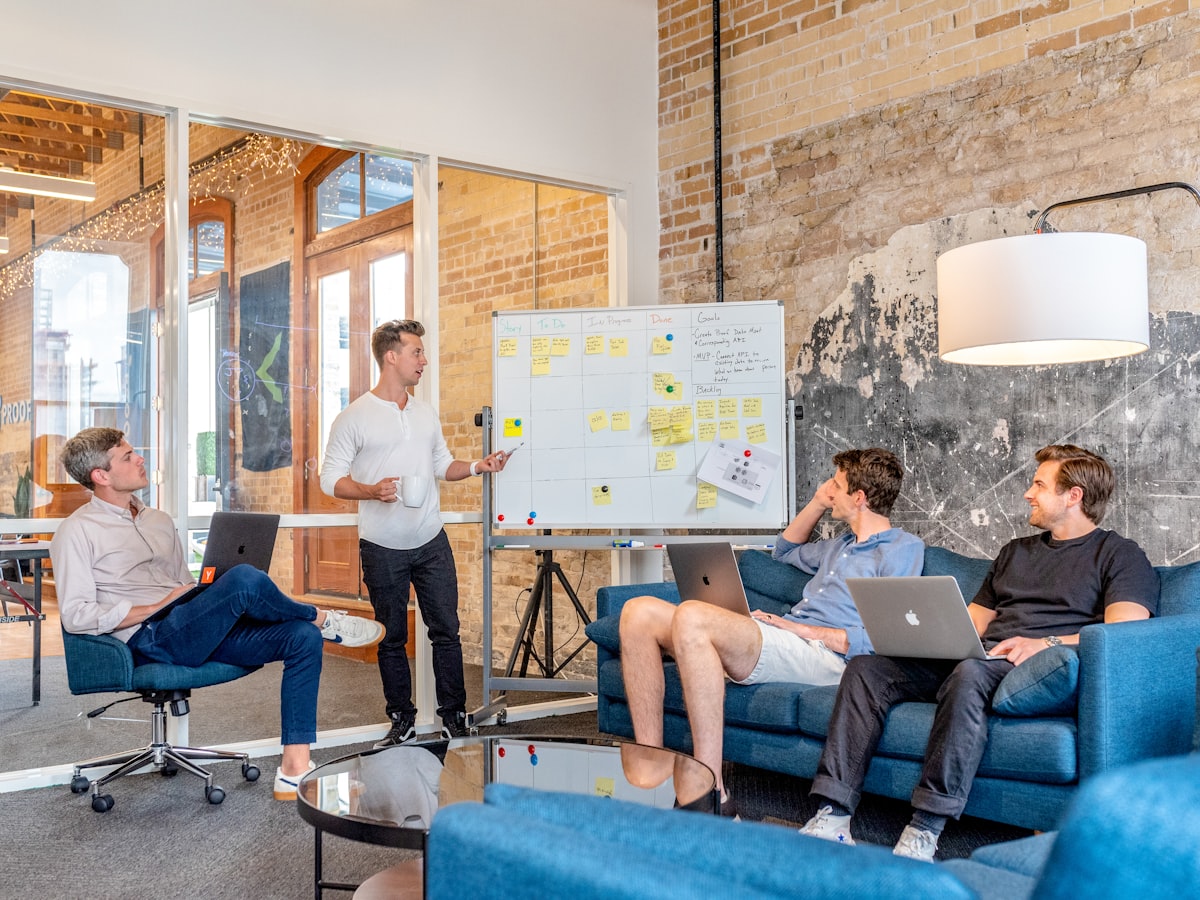
Pre-event is where most of your registrations come from. These are not descriptions of tactics. These are specific, executable plays.
Email Marketing for Events
Email remains the highest-converting channel for event registration because you control the audience, the timing, and the message. Segment by persona: technical audiences want session depth, speaker credentials, and learning outcomes. Executives want strategic value, networking quality, and time efficiency. Build automated sequences that progress from announcement to agenda to urgency over 6-8 weeks. Personalize subject lines by industry, past attendance, or engagement history. Avoid spam triggers by limiting frequency to 1-2 emails per week per segment and respecting opt-out signals immediately. If you have past attendance data, segment by it. Repeat attendees convert at 3-4x the rate of cold contacts and need different messaging: "here is what is new" instead of "here is what we do."
Social Media Event Marketing
Platform selection should match your audience, not your team's comfort zone. LinkedIn dominates B2B event promotion because decision-makers actively consume professional content there. Instagram and TikTok work for consumer events and brand activations where visual storytelling drives attendance. Create a dedicated event hashtag and use it in every post from day one. Post 3-4 times per week in the 4 weeks before the event with a mix of speaker reveals, agenda highlights, countdown posts, and behind-the-scenes content. Give speakers and sponsors pre-written posts they can copy and publish in 30 seconds. Most will not write their own, but they will share yours if you make it effortless.
Content Marketing and SEO
Publish blog posts that target your event name combined with industry keywords. "Manufacturing leadership summit 2026 speakers" and "B2B sales conference agenda" are searches your prospects actually run. Create video teasers showing speaker prep, venue walkthrough, or highlight reels from past events. Build FOMO through progressive content reveals: one speaker per week, one agenda track per email, one exclusive session announced only to early registrants. Optimize your event landing page for organic search with proper title tags, meta descriptions, schema markup, and internal linking from your main site.
Paid Advertising and Retargeting
Retargeting outperforms broad awareness campaigns for event registration because the audience has already shown interest. Someone who visited your event page, read your speaker announcement blog, or opened two emails is far more likely to register than a cold prospect seeing your ad for the first time. Segment paid ads by persona and job title on LinkedIn. Use Google Search for high-intent queries like "events for [industry] leaders 2026." Budget allocation matters: retargeting ads deliver 3-5x more registrations per dollar than broad awareness buys on small budgets under $10K. Start broad to build your retargeting pool, then shift budget toward warm audiences as the event approaches.
Influencer and Speaker Co-Marketing
Every speaker has a professional network that overlaps with your target audience. Make social sharing part of the speaker agreement, not an afterthought. Provide swipe copy for LinkedIn posts, email blurbs they can send to their list, and UTM-tracked links so you can measure which speakers drive the most registrations. Influencer partnerships, whether industry analysts, newsletter authors, or community leaders, reach audiences that already trust the recommender. Their endorsement is more credible than your paid ad and costs less than a LinkedIn campaign at scale.
Early Bird Pricing and FOMO Tactics
Create urgency without discounting your core value. Instead of dropping the price, add value for early registrants: priority seating, bonus workshop access, VIP roundtable invitations, or one-on-one time with speakers. Tiered pricing with clear deadlines gives prospects a reason to register now instead of "thinking about it." Group discounts incentivize companies to send teams rather than individuals. Limited-capacity signals, such as "only 50 seats remaining," drive action when the number is real and verifiable. Put a countdown clock on your registration page tied to the next price tier deadline.
During-Event Marketing Strategies

The event itself is not a pause in your marketing. It is the highest-engagement window you will have all year.
Live Social Sharing and Hashtags
Your branded hashtag should appear in every communication: the event app, signage, presentation slides, name badges, and the WiFi password card. Create photo opportunities with branded backdrops, statement walls, or interactive displays that attendees want to photograph and share. Assign a team member to social listening during the event to amplify user-generated content in real time. Live updates from sessions, keynote quotes, and attendee photos create FOMO for people who did not attend, building your registration list for next year while this year's event is still running.
Gamification and Interactive Elements
Passive attendees do not convert. Pull them into active participation with live polls during sessions, Q&A platforms where top questions get answered by speakers, and leaderboards that reward engagement. Award points for visiting specific booths, attending sessions, or completing profile information in the event app. Push notifications remind attendees about upcoming sessions relevant to their interests. The data from gamification, which sessions they attended, which booths they visited, which content they engaged with, becomes your lead scoring input for post-event follow-up.
Real-Time Lead Capture at the Booth
Most trade show leads die because capture is fragmented. Badge scanners dump names into a spreadsheet with no context. Business cards sit in a jacket pocket until Monday. Reps remember conversations but do not log them anywhere. By the time someone follows up, two weeks have passed and the prospect has no memory of the conversation.
The fix: a single system that logs each conversation in real time, tags the prospect's intent level, notes what they asked about, and syncs directly to your CRM before your team leaves the booth.
Lensmor is a B2B event intelligence platform that helps exhibitors identify target accounts before they arrive, capture and qualify leads at the booth in real time, and sync contacts directly to their CRM. No spreadsheets, no lost cards, no generic follow-ups. Learn the full playbook: how to collect leads at a trade show.
Want to fix your booth lead capture before the next event? Try Lensmor free
Exclusive Sessions for High-Value Prospects
Private roundtables, closed-door product demos, and invite-only VIP lounges are where enterprise deals accelerate. The main exhibition floor is for discovery. The private room is for commitment. Invite your top 10-20 target accounts to an exclusive session with your CEO or product lead. Keep it small, 8-12 people maximum, so conversation is genuine. These sessions signal that the prospect is important enough for dedicated attention, a signal that carries weight in enterprise buying decisions.
Post-Event Marketing Strategies

The event ended. Your marketing did not. The 30 days after the event generate more pipeline than the three days during it, if you execute.
Follow-Up Email Sequences
Follow up within 24-48 hours while the conversation is still fresh in the prospect's memory. Personalize by engagement level: a prospect who attended your demo session and asked three questions gets a different email than someone whose badge was scanned once in passing. Build nurture paths that differ for first-time attendees versus returning contacts. First-timers need education about your product and proof points. Returning contacts need progress indicators: what changed since last year, what new capabilities matter for their use case. The universal rule: do not send the same generic "thanks for stopping by" email to everyone. It signals that you did not pay attention.
Content Repurposing
Turn session recordings into on-demand content gated behind a registration form. Cut highlight reels for social media within 48 hours while the event is still top-of-mind. Publish blog recaps targeting event-name plus industry keywords, such as "SaaStr 2026 key takeaways for B2B sales teams," within 24 hours to capture search traffic while demand peaks. Create speaker quote carousels for LinkedIn that tag speakers and extend organic reach. Offer post-event bonus content, extended recordings or exclusive templates, to non-attendees who register after the event ends.
Lead Nurturing and CRM Sync
Score leads by engagement depth: sessions attended, demos requested, questions asked, materials downloaded, and time spent at your booth. High-engagement leads need immediate outreach within 24 hours from a named rep, not a marketing automation email. Passive attendees, those who stopped briefly or only attended a keynote, enter a longer nurture sequence with educational content. Define a clear sales handoff protocol: at what score does a lead move from marketing nurture to sales outreach? Timing matters more than volume. Five personalized touchpoints beat twenty generic ones.
Creative Event Marketing Ideas Your Competitors Have Not Tried
These six ideas require more effort than standard tactics. They also produce disproportionate results.
1. ABM-style white-glove outreach. For your top 20 target accounts, send a branded physical invitation plus a personal email from your VP of Sales plus a tailored microsite showing exactly why this event is relevant to their specific business challenges. Generic invitations convert contacts. Personalized outreach converts accounts. One closed enterprise deal from this approach pays for the entire event budget.
2. Speaker-as-distribution strategy. Treat every speaker like a distribution channel, not just a content provider. Give them pre-written social posts, email copy for their newsletter or list, and UTM-tracked links so you can measure their impact. Speakers address the exact audience you want to reach. Their endorsement carries more credibility than any ad you could run. Build speaker promotion into the agreement from day one.
3. Pre-event account-specific landing pages. For high-value target accounts, build a personalized registration page showing the sessions, speakers, and networking opportunities specifically relevant to their industry and role. Generic registration pages convert at 3-5%. Personalized pages built for a named account convert at 15-25%. The effort scales if you templatize the page and swap content blocks by vertical.
4. Post-event gated bonus content. Non-attendees can still become leads. Gate extended session recordings, exclusive speaker templates, research summaries, or workshop materials behind a form. This extends your event's lead generation window by weeks after the event ends. People who missed the event but consume the content are warmer prospects than those who never heard of it.
5. Sponsor UTM co-promotion. Give each sponsor unique UTM-tracked links and co-branded creative assets. Measure which sponsors actually drive registrations versus which ones just place a logo. Reward top-performing sponsors with stage time, premium booth placement, or speaking slots at the next event. This turns sponsor relationships into performance partnerships backed by real data, not just brand association.
6. Event-as-SEO-asset. Publish a post-event blog recap within 24 hours targeting event-name plus industry keywords, for example "CES 2026 manufacturing trends" or "Dreamforce 2026 key takeaways for sales ops." These pages rank quickly because they target low-competition, high-intent searches. Each event you attend or host generates 3-5 pieces of long-tail organic content with minimal additional production effort.
Common Event Marketing Mistakes to Avoid

These six mistakes account for the majority of failed event campaigns. All are preventable.
1.No Clear Goals Before You Start
Vague goals produce unaccountable results. "We want brand awareness" does not tell your team what to measure, what to prioritize, or when to declare the event a success. Set a specific number for qualified leads, meetings booked, pipeline generated, or attendees before you spend the first dollar. If you cannot define success in a number, you cannot prove ROI to your CFO, and your event budget disappears next quarter.
2.Weak Audience Targeting
Broad targeting wastes budget and fills your registration list with low-intent contacts who drag down every metric. "Anyone in tech" is not a target audience. Define the exact job title, industry, company size, and buying signal of the person you want in the room. A smaller list of high-fit registrants produces more pipeline than a large list of loosely qualified names. Precision beats volume for B2B events every time.
3.Single-Channel Dependency
Relying on one channel, usually email, leaves you exposed to deliverability issues, list fatigue, or platform algorithm changes. Multi-channel does not mean being everywhere. It means combining email with one social platform and one paid channel so you reach your audience at multiple touchpoints throughout their decision process. If email open rates drop 20% in the final two weeks, your backup channel absorbs the gap.
4.Skipping the Follow-Up
The event is not the end of the campaign. It is the middle. Most event ROI is generated in the 30 days after the show through personalized follow-up, demo scheduling, and lead nurturing. Skipping this phase is the single most common reason events fail to generate measurable pipeline. A lead that goes untouched for two weeks after the event is effectively dead. Speed and personalization in follow-up determine whether your event investment pays off.
5.Neglecting Post-Event Analytics
If you do not track which channels brought the best-fit registrants, which sessions drove the highest engagement, and which leads converted to pipeline, you cannot improve. Every event should produce a debrief report that feeds the targeting and messaging for the next one. Compare cost-per-lead by channel, conversion rate by persona segment, and pipeline value by lead source. The event that produces the report is the event that gets a bigger budget next year.
6.Starting Promotion Too Late
Two to three weeks before the event is too late for B2B. Your target audience has already planned their travel, committed their calendar, and allocated their conference budget. Executive invites need 10-12 weeks of lead time because their schedules fill months in advance. Registration campaigns need 8-10 weeks to build momentum, test messaging, and optimize channels. Teams that start early compound interest. Teams that start late scramble for leftovers.
Event Marketing Tools Worth Using in 2026
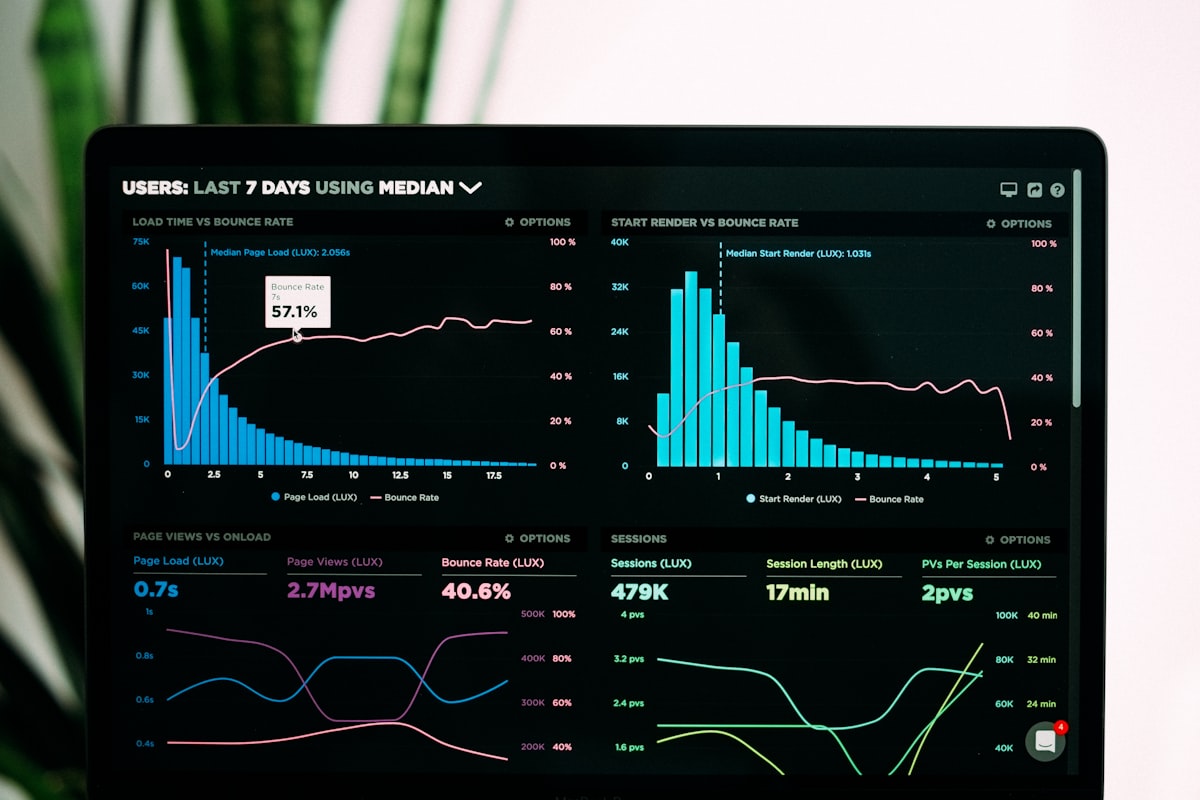
The right tools reduce manual effort and increase consistency across your 12-week campaign timeline. Here are eight worth evaluating.
HubSpot covers email marketing, CRM, and landing pages in one platform. Best for teams that want to build, track, and nurture event leads without switching between tools.
Mailchimp is the standard for email campaign design, automation, and list management. It works well for straightforward event promotion campaigns with segmented audiences.
Hootsuite / Buffer handle social media scheduling and analytics across all platforms. They keep posting consistent in the weeks before your event without requiring manual daily effort.
Canva solves event collateral design without a designer. Speaker cards, social tiles, email headers, and booth graphics all live in one platform with brand-consistent templates.
Google Analytics + Search Console track your event landing page's organic traffic, conversion rate, and keyword performance. Non-negotiable for events with a dedicated registration page.
Asana / Trello provide project management for the 12-week campaign timeline. They keep every team member aligned on deadlines, asset delivery, and channel launch dates.
AI tools for event planning can cut research, scheduling, and outreach prep time significantly for teams running multiple events per year. See a full breakdown of AI tools for event planning and how they fit into the event marketing workflow.
Lensmor is B2B event intelligence for exhibitors. Lensmor helps teams identify target accounts before the event, capture and qualify leads at the booth in real time, and sync to their CRM automatically.
How to Measure Event Marketing ROI?

The ROI formula is straightforward: revenue generated from event leads minus total event cost, divided by total event cost, multiplied by 100. A $50K event that generates $200K in closed revenue delivers 300% ROI. The challenge is attribution, not math.
Track these metrics at every stage. Registrations tell you whether your promotion worked. Actual attendance rate reveals whether your registrants were real prospects or tire-kickers. Cost per lead measures efficiency. Pipeline generated shows whether your leads are qualified. Revenue closed from event contacts is the final proof point. NPS from post-event surveys indicates brand perception and predicts whether attendees return next year.
Non-revenue signals matter too: demos delivered, meetings held, CRM contacts added, competitive intelligence gathered, and press mentions earned. These do not appear in the ROI formula but inform strategic decisions about which events deserve increased investment.
Post-event data should directly feed targeting and messaging for the next event. If your best leads came from one specific job title, one industry, or one session track, allocate more budget toward reaching that segment next time.
One critical distinction: badge scans are not leads. A scanner beeping when someone walks past your booth tells you nothing about intent, fit, or buying timeline. Qualified conversations, where context is captured and interest is confirmed, are the metric that actually predicts pipeline.
Conclusion
Event marketing is a three-phase campaign, not a single activation. Pre-event promotion builds your audience. During-event engagement captures attention and intent. Post-event follow-up converts interest into pipeline and revenue. The event itself, the three days on the show floor or the two hours on a webinar stage, is only one-third of the total campaign.
Companies that treat events as isolated activities waste budget. Companies that treat events as integrated campaigns with structured timelines, segmented messaging, and rapid follow-up generate measurable returns quarter after quarter.
If you exhibit at trade shows or industry events, the biggest gap is usually not the strategy on paper. It is what happens at the booth and in the 48 hours after. Lensmor helps B2B teams turn event attendance into qualified pipeline with structured lead capture, real-time qualification, and direct CRM sync. Start with Lensmor.