You went to the conference. You collected 40 business cards. You followed up with three people. One replied. None became a customer, a partner, or even a useful contact. That gap between networking activity and networking results is where most professionals live.
TLDR
- Set a measurable goal before you register (not "make connections" but "book 5 meetings with VP-level buyers in fintech")
- Research attendees, speakers, and exhibitors two weeks out and send outreach before the event opens
- Use a simple conversation framework: name, context, one genuine question about their work, then listen
- Follow up within 48 hours with a specific reference to your conversation (not a generic "great meeting you")
- If you are exhibiting, get verified attendee data before the show so your team arrives with pre-booked meetings, not hopes
Why Most Conference Networking Produces Nothing
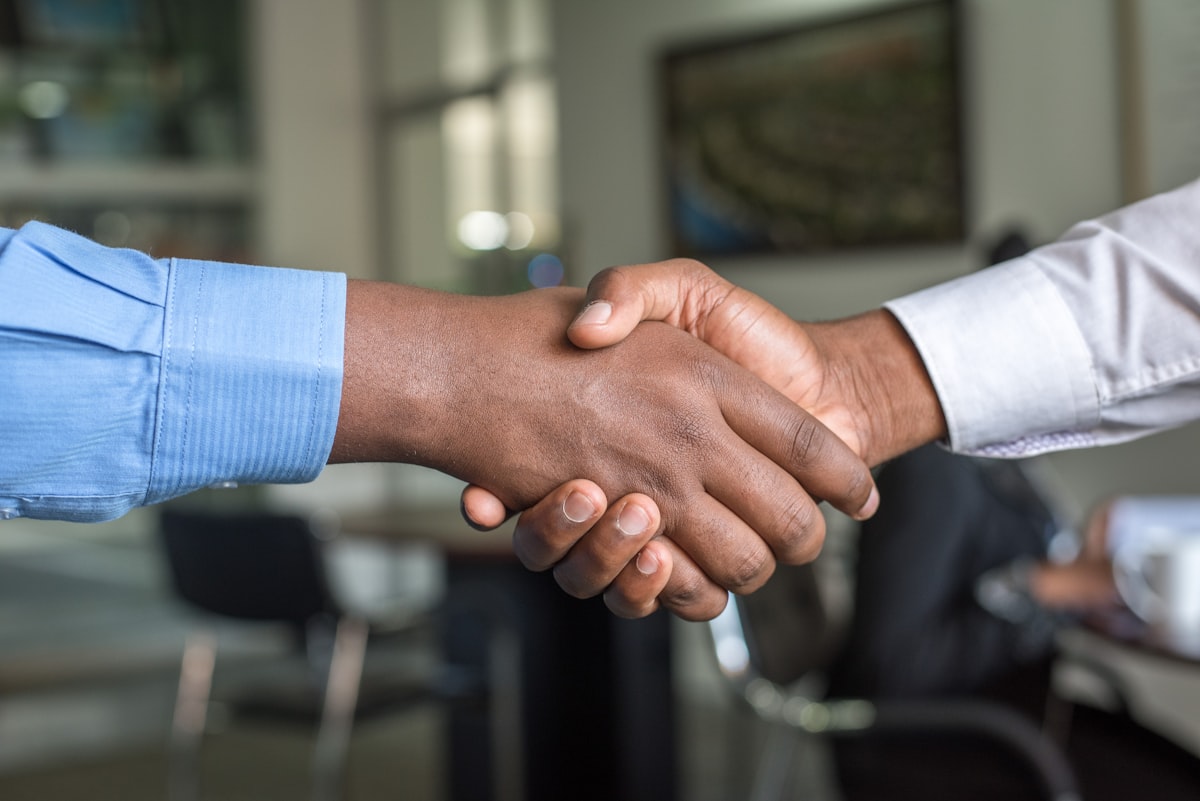
Conference tickets cost $500 to $3,000. Travel adds another $1,000 to $2,000. You block three days. The ROI for most attendees? A LinkedIn connection request that gets ignored and a tote bag full of vendor brochures.
The problem is not the event. The problem is the approach.
The wrong goal
"Network more" is not a goal. Neither is "make connections." These produce the same behavior: wander the floor, talk to whoever is nearby, exchange pleasantries, move on.
A working goal looks like this: "Have 8 conversations with directors or above at SaaS companies doing $5M to $50M ARR, and book 3 follow-up calls before the event ends." That changes your behavior before, during, and after the conference.
The wrong timing
Most people start networking when they arrive at the venue. By then, the highest-value attendees already have full calendars.
The attendees who get the most from conferences treat the event as a deadline, not a starting line. Their outreach starts two weeks before doors open.
Before You Arrive: The Pre-Conference System

The 48 hours before a conference determine 80% of your results. Everything you do on the floor gets easier when you have context, targets, and scheduled time with the right people.
Your event marketing strategies should start well before you arrive at the venue.
Set a goal you can actually measure
Write down: the type of person you want to meet (title, company size, industry), the number of meaningful conversations you want, and what "meaningful" means (scheduled follow-up, shared resource, introduction).
A sales rep at a MarTech conference might set: "Talk to 10 marketing directors at e-commerce companies doing $20M+ revenue, and schedule 4 post-event demos." A founder might set: "Meet 3 potential investors who have funded B2B SaaS at Series A."
Research who is attending
Most conferences publish speaker lists, sponsor rosters, and exhibitor directories weeks before the event. Many also have attendee lists visible through the event app. Do this:
- Check the event app for registered attendees and filter by title or company
- Search LinkedIn for people posting about attending (use the event hashtag)
- Review the sponsor and exhibitor list for target accounts
- Look at the speaker lineup and identify who aligns with your goal
Build a short list of 15 to 20 people. Note their role, one recent thing they have published, and why you want to talk to them.
Schedule meetings before the floor opens
Send a short, direct message to your top targets. LinkedIn, email, or the event app all work. Three sentences: who you are, why you want to connect, and a specific ask for 15 minutes.
Example: "Hi Sarah, I'm [name] at [company]. I saw your session on attribution modeling is on Thursday. I'd love to grab 15 minutes over coffee Wednesday morning to ask about multi-touch in enterprise accounts. Are you free between 8 and 9am?"
Specific, short, easy to say yes to.
For exhibitors: get verified attendee data
Most exhibitor teams arrive hoping for foot traffic. Lensmor gives you a verified list of who is attending, their role, and their company before the event opens. Your team shows up with pre-booked meetings instead of a plan that depends on strangers walking past your booth. Learn more about Lensmor
During the Conference: How to Start and Hold Conversations
The floor is open. You have your target list. Here are tips for networking events that actually produce relationships, not just handshakes.
The approach
Walk up when someone is between conversations, standing alone, or waiting in line. Do not interrupt two people deep in discussion.
Open with context, not a pitch:
- "I caught your talk on [topic]. The point about [specific thing] stuck with me."
- "I noticed you're at [company]. I've been following what your team did with [specific initiative]."
- "We're both in the [industry] track. What brought you to this one?"
These work because they show preparation and give the other person something to respond to beyond "So what do you do?"
The conversation framework
After the opener, follow this sequence:
- Ask about their work. "What are you focused on right now?" or "What's the biggest problem on your plate this quarter?"
- Listen and follow up. "You mentioned attribution is broken. What have you tried so far?" People remember those who listen.
- Share only when relevant. If what you do connects to their problem, say so briefly. One sentence.
- Close with a clear next step. "Can I send you that resource on Monday?" Do not leave with "Let's stay in touch."
The exit
Every conversation needs a clean ending. Do not ghost. Do not let it drag. Three exits that work:
- "I don't want to take up your whole break. I'll follow up Thursday with that article I mentioned."
- "I promised myself I'd catch the next session. Can I email you this week?"
- "I see someone I need to grab before they leave. I'll send you a note tomorrow."
Each references a next action. That makes the follow-up natural, not forced.
How to Network at a Trade Show vs. a Conference

If you are not sure about what a trade show actually is, the distinction matters. The environments produce different behaviors, and your approach should shift.
Key differences
Conferences are built around content. Attendees come to learn and discuss ideas. Networking happens in the gaps between sessions.
Trade shows are built around buying. Attendees evaluate vendors and compare solutions. Networking happens at booths, in demo areas, and during sponsored events.
Trade show and conference networking side by side
How to Network at a Conference as an Introvert?
You do not need to become an extrovert to network well. Introversion means your energy drains in large social settings and recharges in quieter ones. The strategy is to design your conference experience around that reality.
Energy management
Treat breaks as strategy, not weakness. Block 30 to 45 minutes between major networking efforts. Go to your hotel room or sit in a quiet corner. This is not avoidance. This is how you show up sharp for the conversations that matter.
Plan your schedule in 90-minute blocks: one networking window, one recovery window. Your conversations will be deeper, more memorable, and more likely to produce real follow-up.
Structured scenarios introverts do well in
Skip the open cocktail hour. Focus on:
- Pre-scheduled 1:1 meetings. You control the timing, length, and topic.
- Smaller workshops and roundtables. Groups of 8 to 15 people have built-in structure.
- Hosted dinners or lunches. Seated conversations with 4 to 6 people. The format does the work for you.
- Speaker Q&A sessions. Ask a thoughtful question publicly. Others will approach you afterward.
Phrases that work without small talk
- "What are you working on right now?"
- "I read your piece on [topic]. The section about [detail] changed how I think about [problem]."
- "I'm trying to figure out [specific challenge]. Have you seen anyone solve that well?"
- "What's the best thing you've heard so far today?"
These skip pleasantries and go straight to substance. Introverts do better with substance.
How to Network at a Conference as a Student or First-Timer?
You have no job title that impresses anyone. You have no budget to offer. None of that matters as much as you think.
Before you get there
Research speakers and panelists. Read one piece of content each has published. Prepare two specific questions per person you want to approach. Not "How did you get into this?" but "In your article on [topic], you said [specific claim]. How has that held up in the last year?"
That preparation puts you ahead of 90% of attendees who show up with nothing.
What to say when you have no "impressive" job title?
Scripts that work:
- "I'm studying [field] at [university] and focused on [specific area]. I'm trying to understand how [topic] works in practice. Would you be open to sharing what you've seen?"
- "I'm early in my career, working on [project/thesis]. Your work on [specific thing] is directly relevant to what I'm building. Could I ask you two questions?"
- "I've spent the last 6 months going deep on [topic]. I'd love your perspective on [specific question]."
The pattern: acknowledge where you are, show you have done real work, ask something specific. People respond to curiosity backed by preparation.
How to Network at a Virtual Conference
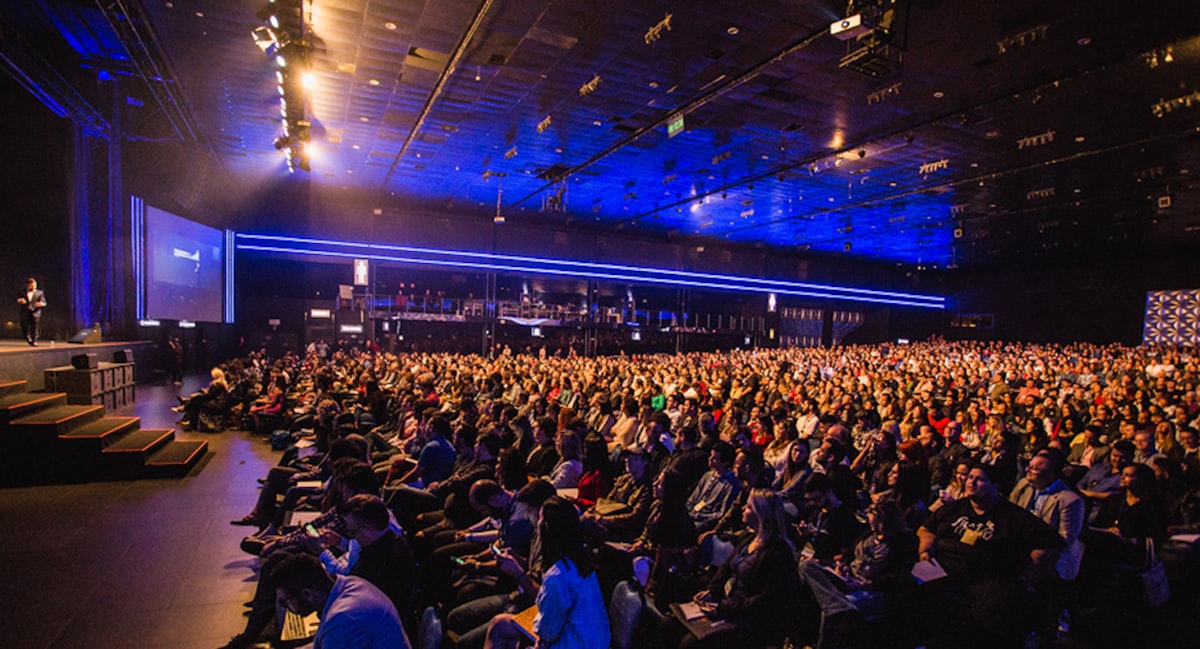
Virtual events strip away hallway conversations and body language. But they add a searchable attendee list, asynchronous chat, and zero travel cost.
What changes
- No body language cues. Be more direct in chat and messages.
- Attention is fractured. Your message competes with email, Slack, and notifications.
- Networking windows are shorter. Breakout rooms last 10 to 15 minutes. Get to the point fast.
What stays the same
Research attendees beforehand. Send pre-event messages. Follow up within 48 hours. Set a measurable goal before you log on.
Complete your attendee profile with a clear description of what you do. Comment on sessions with substance in the event chat. People will click your profile. Make sure it tells them why they should reply.
Tools That Make Conference Networking Easier

Apps and platforms
- Event apps (Whova, Brella, Grip): Browse attendees, schedule meetings, and message people before arrival.
- LinkedIn Events: See who has marked "attending." Send connection requests with a note about the event.
- Calendly or Cal.com: Share a scheduling link so prospects can book time with you instantly.
- Notion or Airtable: Track your target list with columns for name, company, title, reason to connect, and status.
Digital cards
- Popl or Blinq: Tap your phone to share a digital card. No app required for the recipient.
- QR code on your phone lock screen: Links to your LinkedIn profile or a custom landing page.
- LinkedIn QR code: Built into the app. Both people scan, both connect instantly.
Carry 20 physical cards for people who expect them, and have a digital option for everyone else.
Post-Conference Follow-Up: The 48-Hour Window
The follow-up is where 90% of conference networking dies. Monday hits, the conference becomes a memory, and your message becomes one more item in an overflowing inbox.
Send every follow-up within 48 hours. After that, context fades and momentum dies.
Message templates by connection type
Met briefly (2-3 minute conversation):
> Hi [name], we talked briefly at [event] near the [location/session]. You mentioned [specific detail]. Would a 15-minute call next [day] work to continue the conversation?
Had a real conversation (10+ minutes):
> [Name], your point about [specific insight] at [event] stuck with me. I've been thinking about [how it applies]. Free for coffee/call [specific day]?
Scheduled follow-up (you already agreed to reconnect):
> Hi [name], following up as promised from [event]. Here's the [resource/link/intro] I mentioned. I'm open [two specific times] this week.
Three rules: reference something specific from the conversation, propose a clear next action, and offer specific times.
Exhibitor Networking: How to Build Pipeline at Events

Your booth cost $5,000 to $50,000. Travel and staffing added another $10,000 to $30,000. This is how to network at an event where you don't know anyone in the crowd but need to turn them into qualified pipeline.
Lensmor's exhibitor intelligence tells you exactly who's registered, their title, and their company so you can arrive with a full schedule instead of a hope. See how Lensmor works
Pre-show intelligence: know who's coming
The exhibitors who win do not wait for foot traffic. Check your trade show checklist for first-time exhibitors and add these steps:
- Get the attendee list (from the organizer, the event app, or a platform like Lensmor)
- Filter for your ICP: title, company size, industry
- Send personalized outreach to your top 30 prospects with a specific reason to visit your booth
- Book at least 10 meetings before the show opens
Lead capture that doesn't kill the conversation
Badge scanners capture data but kill rapport. Here is how to how to collect leads at a trade show without making it transactional:
The note matters more than the badge scan.
Common Mistakes
Final Words
Conference networking works when you treat it as a system. Set a goal before you register. Research who is attending two weeks out. Schedule meetings before the floor opens. Follow up within 48 hours with something specific.
The people who get the most from conferences are not the most charismatic. They are the most prepared. If you exhibit at trade shows, that means knowing exactly who will be in the room before you arrive and turning a $30,000 booth investment into pre-qualified, pre-scheduled conversations.


.avif)