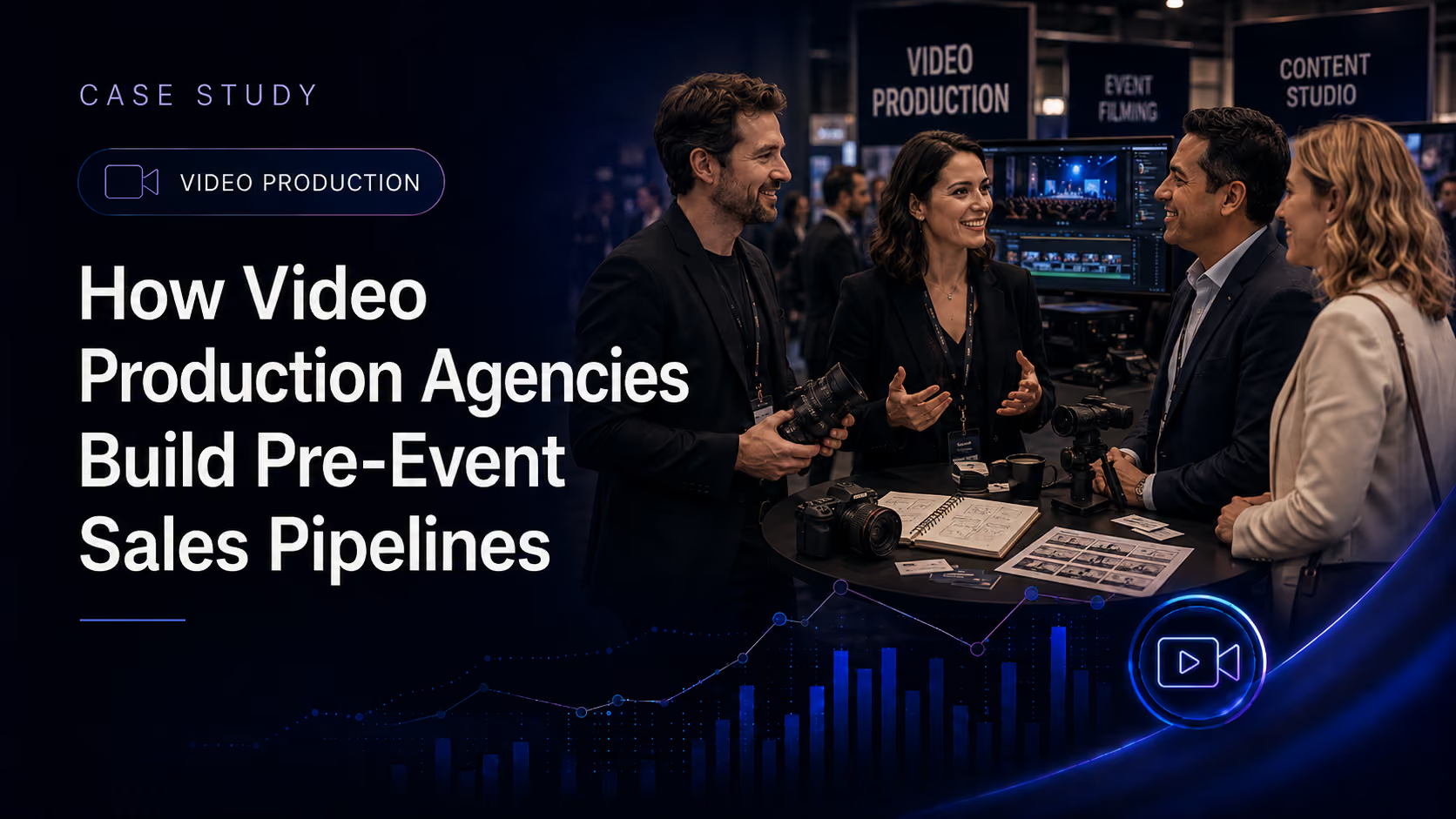
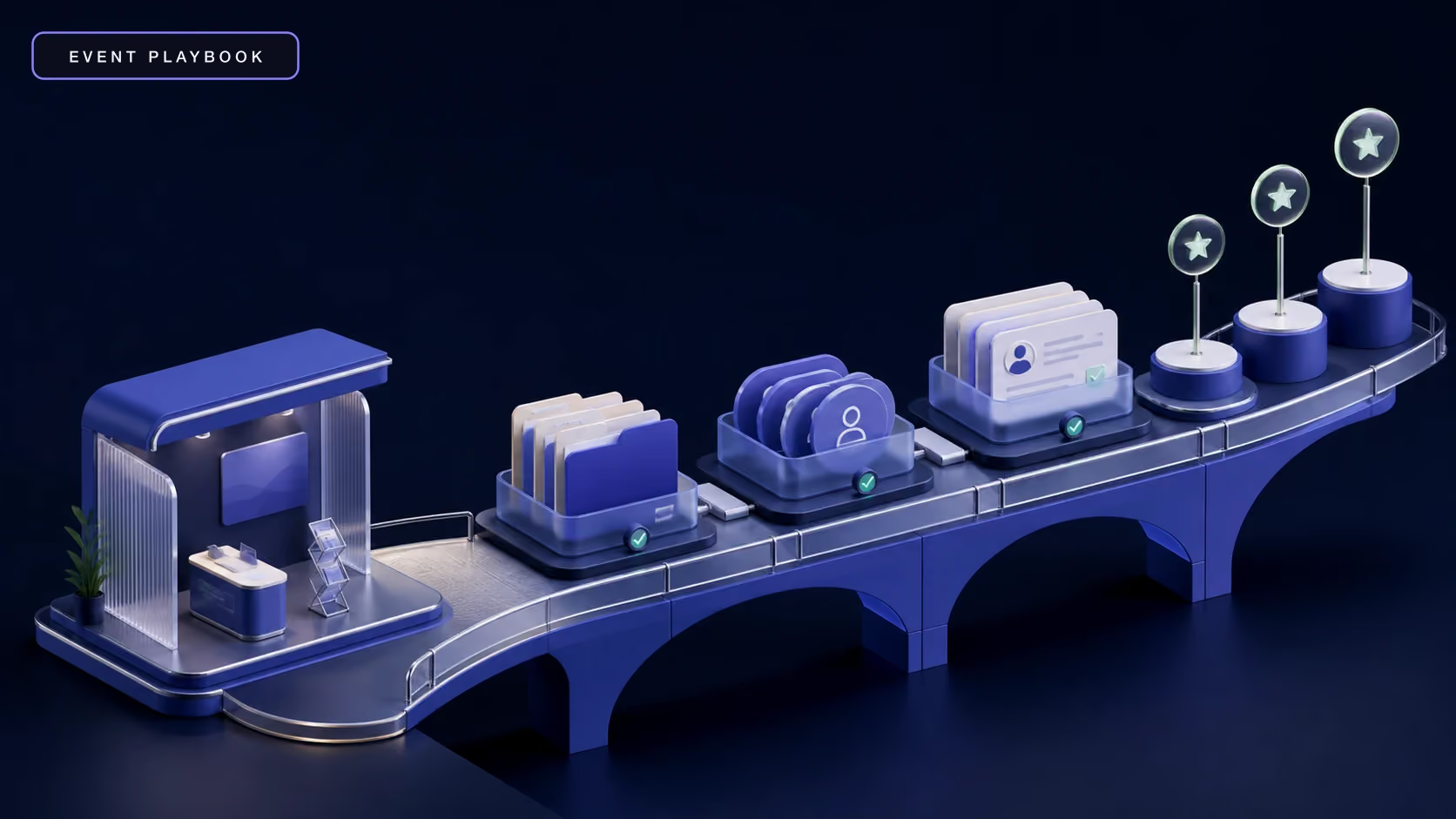
A trade show plan should do more than get your booth shipped on time. It should tell your team which accounts to meet, what to say, how to capture context, and how follow-up turns into revenue.
TL;DR
- Start with goals, ICP, budget, and show selection before booth design.
- Build a timeline for logistics, outreach, staffing, and follow-up.
- Research exhibitors, sponsors, attendees, and target accounts before show week.
- Measure qualified pipeline, not only badge scans or booth traffic.
How to Plan a Trade Show: The Simple Framework
To plan a trade show, choose the right show, set one business goal, build a timeline, prepare the booth and team, book meetings before show day, capture qualified leads, and follow up fast. That is the whole system.
The mistake is treating trade show planning like a logistics project only. Shipping, power, badges, banners, and hotels matter, but logistics alone will not create pipeline.
Define the business goal first
Decide what the show needs to produce before you spend money on booth design.
Your goal might be 40 qualified leads, 15 booked meetings, 5 partner conversations, or 3 active opportunities from existing target accounts.
Pick one primary goal. Then define the metric that proves it happened.
Pro Tip: Do not make "brand awareness" the default goal unless you have a real way to measure it. For most B2B teams, meetings, qualified leads, pipeline, and follow-up completion are cleaner metrics.
Pick the right trade show for your ICP
A big trade show is not automatically a good trade show. The right show has enough of your ICP in one place to justify the cost.
Check the attendee profile, exhibitor list, sponsor list, speaker lineup, and past event content. If you sell to manufacturing leaders, a huge general tech event may be less useful than a smaller industry show with better buyer density.
This is where planning starts to affect ROI. The wrong show makes every later step harder.
Turn the plan into owners, dates, and metrics
Every trade show task needs an owner and a deadline. "Marketing will handle follow-up" is not a plan. "Priya owns hot lead follow-up by 10 a.m. the day after the show" is a plan.
Use a simple owner model: marketing owns messaging and campaigns, sales owns target accounts and follow-up, operations owns logistics, and leadership owns budget and ROI review.
Trade Show Planning Timeline
Most teams start too late. A tight timeline keeps booth logistics, outreach, staffing, and post-show follow-up from colliding in the final two weeks.
| Timing | What to Plan | Primary Owner |
|---|---|---|
| 6 to 12 months out | Choose show, define goals, reserve booth, set budget | Leadership and marketing |
| 3 to 6 months out | Design booth, read show manual, book travel, brief vendors | Marketing and operations |
| 30 to 90 days out | Build target list, launch outreach, train staff, finalize lead capture | Sales and marketing |
| Show week | Run meetings, qualify leads, debrief daily, start hot follow-up | Sales lead |
6 to 12 months before the show
Lock the big decisions first: event choice, booth size, goal, budget, and owner. If the show is important, reserve booth space and hotels early.
3 to 6 months before the show
Read the exhibitor manual. It contains the deadlines and rules that create expensive surprises later: power, internet, furniture, drayage, labor, setup windows, badge rules, and shipping labels.
Start booth messaging now. If someone walking past cannot understand what you do in three seconds, the design is not working.
30 to 90 days before the show
This is the highest-leverage window. Build your account list, launch pre-show outreach, schedule meetings, train staff, test demos, and prepare follow-up templates.
Show week and post-show
Show week is execution. Run the booth, hold meetings, capture notes, and debrief every day. Post-show is conversion. Hot leads should not wait a week.
Trade Show Planning Checklist
Use a trade show planning checklist to keep the work visible. If you are a first-time exhibitor, this is also where a deeper trade show checklist for first-time exhibitors can help you catch the small items that tend to get missed.
When the process is clear, this comparison of AI tools for event planning helps you automate selected tasks without handing judgment to the software.
| Category | Checklist Items | What Good Looks Like |
|---|---|---|
| Strategy and budget | Goal, ICP, booth cost, travel, show services, contingency | Budget tied to expected pipeline, not only attendance |
| Booth and logistics | Display, signage, demo setup, power, shipping, storage, emergency kit | Everything arrives early and supports one clear booth action |
| Sales and follow-up | Target list, meeting outreach, qualification questions, lead notes, CRM routing | Every lead has context, owner, tier, and next step |
Strategy and budget
Your trade show budget should include booth space, booth build, travel, hotels, shipping, drayage, power, internet, furniture, materials, staff time, and follow-up work. A guide on event budget planning is useful because event costs usually spread across teams.
Pro Tip: Add a contingency line before you start spending. Trade shows have too many small fees to run a zero-buffer budget.
Booth, materials, and logistics
Your trade show booth should make one action obvious: watch a demo, scan a QR code, book a meeting, try a sample, or talk to a specialist.
Keep signage simple. Put the value proposition where people can read it from the aisle. Keep demo gear tested and backup-ready.
Sales, outreach, and lead capture
Decide how leads will be captured before the show starts. Badge scans are useful, but they are not enough. Your team also needs conversation notes, fit level, pain point, and promised next step.
Lensmor has a deeper guide on how to collect leads at a trade show, but the short version is this: contact data without context weakens follow-up.
How to Choose the Right Trade Show
Choosing the right trade show is the first ROI decision. A beautiful booth at the wrong event is still the wrong event.
Check attendee and exhibitor fit
Ask for attendee demographics if the organizer provides them. Check job titles, company sizes, industries, geography, and buyer roles. Then review the exhibitor and sponsor list.
If your ICP barely appears, treat the show as a brand play, not a pipeline play.
Compare cost against pipeline potential
A show can be expensive and still worth it if the right accounts are there. A cheaper show can be a waste if the attendee profile is wrong.
Compare the full cost against realistic outcomes: meetings booked, qualified leads, pipeline created, and customer expansion opportunities.
Avoid shows that only look good on paper
Some shows have strong logos and weak fit. Others look small but put your exact buyers in the same room.
Talk to past exhibitors when possible. Ask what kind of leads they got and whether they would exhibit again.
How to Prepare Your Booth and Team?
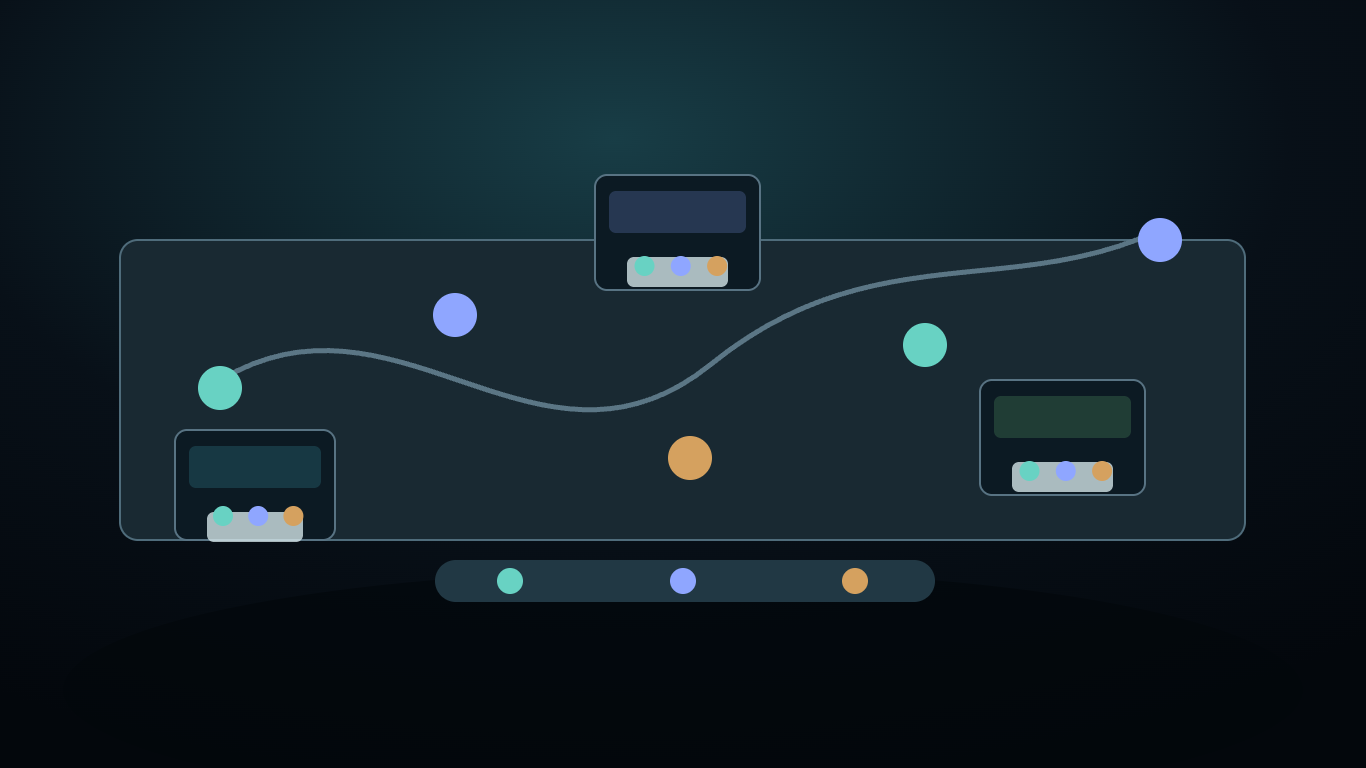
If you are exhibiting at a trade show, your booth and team need to work as one system. The booth attracts attention. The staff turns attention into a qualified conversation.
Design the booth around one clear action
Do not make visitors decode your whole product suite from a wall of text. Give them one clear reason to stop.
A good booth answers three questions fast:
- Who is this for?
- What problem does it solve?
- What should I do next?
Prepare demos, talk tracks, and qualification questions
Train staff before the show. Everyone should know the opening line, the two-minute demo, the qualifying questions, and the lead capture process.
Good qualification questions include: "What brought you to the show?", "Are you evaluating options now?", and "What would make this worth a follow-up conversation?"
Build a show-day kit and backup plan
Pack chargers, cables, tape, scissors, pens, cleaning cloths, water, printed schedules, and backup demo materials.
Your backup plan should answer one question: if the internet, laptop, shipment, or badge scanner fails, how does the booth still operate?
Pre-Show Outreach and Meeting Booking
Pre-show outreach is where trade show planning starts to become trade show lead generation. Waiting for the right people to walk by your booth is a weak plan.
Build your target account list before the show opens
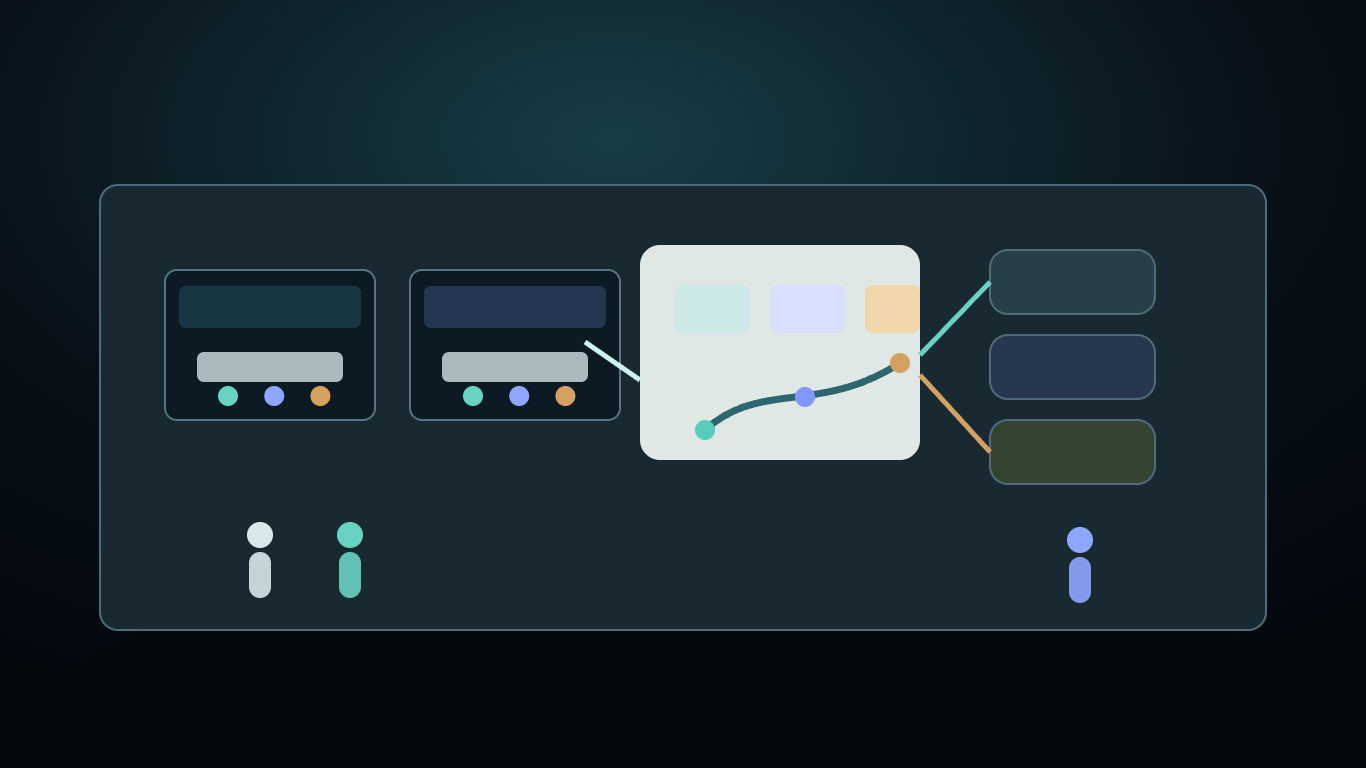
Use exhibitor lists, sponsor lists, attendee directories, event apps, LinkedIn, and your CRM. Score companies by ICP fit, event relevance, buying signal, and reason to meet.
If your team needs to turn exhibitor and sponsor lists into prioritized accounts, you can start with Lensmor before outreach begins.
Send outreach that references the event
Generic "we will be at booth 412" messages do not work well. Give people a reason to care.
Use the event context: "I saw your team is exhibiting at the show. Worth comparing notes before the floor gets busy?"
Schedule meetings before booth traffic gets chaotic
Booked meetings are cleaner than hoping for aisle traffic.
Give sales a shared meeting calendar, clear booth coverage, and a backup location for longer conversations.
During the Trade Show: Capture Better Leads
The goal on the floor is not maximum badge scans. It is qualified conversations with enough context to follow up well.
Qualify leads in the first conversation
Not every visitor is a buyer. Be polite, but protect your time.
Qualify for role, company fit, problem, urgency, and next step.
Capture notes, not only contact data
After every useful conversation, write the note immediately. Capture what they cared about and what you promised.
Pro Tip: Use the same lead note format for every booth staffer. Messy notes create messy follow-up.
Debrief daily while the details are fresh
At the end of each show day, review hot leads, missed opportunities, objections, and tomorrow's priority accounts.
After the Trade Show: Follow-Up and ROI
Post-show follow-up should be planned before the show begins. If you wait until everyone is back home, the best conversations are already cooling off.
| Lead Tier | Follow-Up Action | Metric |
|---|---|---|
| Hot | Personal email and meeting ask | Meetings booked |
| Warm | Send relevant resource or sample | Replies and nurture movement |
| Low-fit | Light follow-up or no sales motion | Filtered out cleanly |
Segment leads by fit and next step
Segment leads before sending a single email. Hot leads need personal outreach. Warm leads may need a resource. Low-fit contacts should not clog the sales team's week.
If you want to prioritize trade show leads against your ICP before follow-up, use Lensmor to score and segment event accounts while the context is still fresh.
Follow up within 24 to 72 hours
Reference the actual conversation. Mention the demo they saw, the problem they named, or the asset you promised.
"Great meeting you at the show" is weak. "You mentioned your team is trying to book more meetings before PACK EXPO. Here is the sample workflow I promised" is better.
Measure pipeline, cost per qualified lead, and closed revenue
Trade show ROI should not stop at lead count. Track qualified leads, meetings booked, pipeline created, opportunities opened, and closed revenue.
For a deeper model, use Lensmor's guide on how to measure event ROI.
Common Trade Show Planning Mistakes
The most common mistakes are fixable if you catch them early.
Starting with booth design instead of strategy
Booth design should support the goal. If the goal is qualified meetings, design the booth around conversations and demos. If the goal is product education, design around clear explanation and proof.
Underestimating hidden costs
Shipping, drayage, internet, furniture, labor, storage, overtime, and rush printing can all surprise first-time exhibitors.
Read the exhibitor manual before approving nice-to-have booth extras.
Treating post-show follow-up as an afterthought
Follow-up is part of the plan. Write templates, assign owners, and define lead tiers before the event starts.
If you wait until the week after the show to build your process, you are already late.
Planning Dreamforce? Use the Dreamforce 2026 guide for current dates, ticket pricing, sponsors, travel details, and pre-show account research.
Conclusion
The best trade show plans connect strategy to execution. Choose the right show, define the goal, build the timeline, prepare the booth, train the team, book meetings early, capture context, and follow up fast.
That is how to plan a trade show that produces more than booth traffic.