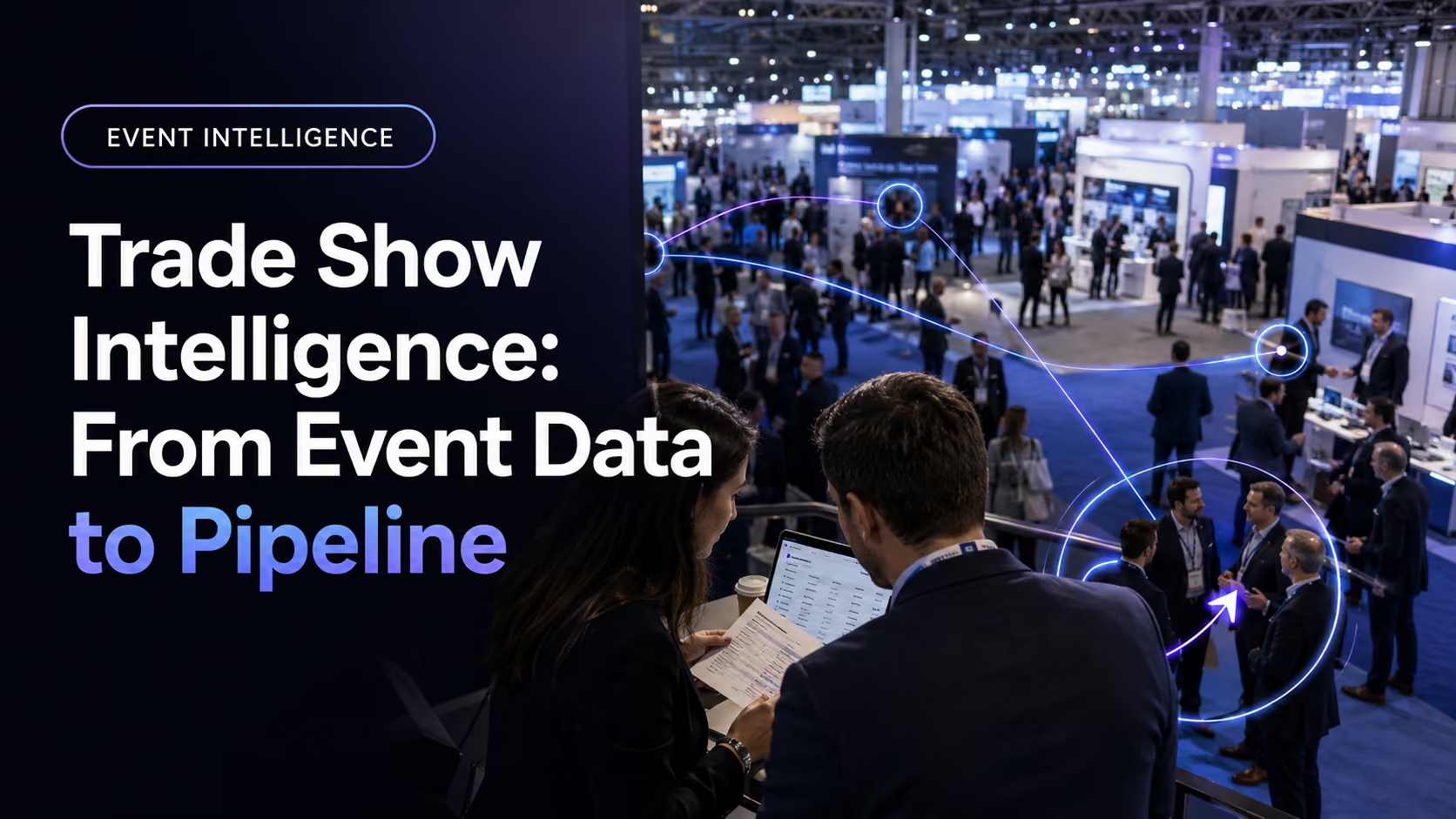
What trade show intelligence means
- Trade show intelligence connects events, exhibitors, contacts, intent signals, and outreach next steps.
- The useful output is not a giant list. It is a ranked set of accounts your team can act on before the show.
- This guide covers the definition and operating framework; use the event intelligence tools comparison when the next task is choosing software.
Trade show intelligence helps you understand who is exhibiting, what competitors are signaling, which accounts matter, and where your team should spend time before, during, and after the event.
TL;DR
- Trade show intelligence is structured collection and analysis of event, exhibitor, competitor, buyer, and sponsor signals.
- Traditional trade show competitive intelligence focuses on booths, launches, messaging, demos, and sponsorships.
- Modern B2B teams also use exhibitor and sponsor data to prioritize accounts before the show opens.
- Useful intelligence changes outreach, qualification, follow-up, or sales strategy.
What Is Trade Show Intelligence?
Trade show intelligence is the process of collecting, organizing, and acting on event data before, during, and after a trade show. It includes competitor activity, exhibitor lists, sponsor signals, attendee behavior, booth traffic, product launches, buyer questions, and follow-up context.
The difference between intelligence and notes is action. A photo of a competitor booth is a note. A finding that changes your messaging, target-account list, or follow-up sequence is intelligence.
Trade show intelligence definition
Trade show intelligence means using event signals to make better decisions. Those decisions might involve which companies to target, which competitors to watch, what sales should say, which booth visitors deserve fast follow-up, or which market shifts need leadership attention.
Trade show intelligence vs trade show competitive intelligence
Trade show competitive intelligence is narrower. It focuses on competitors: their booth design, messaging, product announcements, staff behavior, demos, pricing clues, partnerships, and sponsorships.
Trade show intelligence is broader. It includes competitor data, but it also includes buyer demand, exhibitor intent, sponsor investment, attendee questions, and account-level sales signals.
Why trade show intelligence matters for B2B teams
For B2B teams, event intelligence should reduce guesswork. You should know which accounts are worth outreach, what topics are active in the market, and which conversations need sales attention.
This connects directly to B2B event marketing. Events are expensive. The data around them should help your team create pipeline, not only write a post-show recap.
What Trade Show Intelligence Can Reveal
Trade shows compress market behavior into a few days. Competitors, buyers, partners, suppliers, analysts, and sponsors are all visible in one place. That is the advantage.
| Signal Type | What to Observe | How to Use It |
|---|---|---|
| Competitor | Booth size, launches, messaging, demos, sponsorships | Adjust positioning, sales talk tracks, and objection handling |
| Buyer | Questions asked, booths visited, problems mentioned | Refine qualification and follow-up by active pain |
| Exhibitor and sponsor | Who is investing, booth location, category, event frequency | Prioritize accounts for pre-show outreach and sales follow-up |
Competitor signals
Competitor signals show how other companies want the market to see them. Watch product launches, booth traffic, demo themes, pricing language, partner announcements, and which personas they seem to target.
Pro Tip: Pick a few questions before the show. "What are competitors launching?" is usable. "Collect everything interesting" is how teams drown in notes.
Buyer and attendee signals
Buyer signals come from what people ask, compare, complain about, and photograph. If several buyers ask the same question, your market may be telling you what sales content or product proof is missing.
Exhibitor and sponsor signals
Exhibitor intelligence is often more useful than casual booth observation. A company that buys booth space, sponsors a session, sends executives, or appears at several shows in a quarter is showing intent.
For pipeline teams, that intent can become target-account priority.
A Trade Show Intelligence Framework
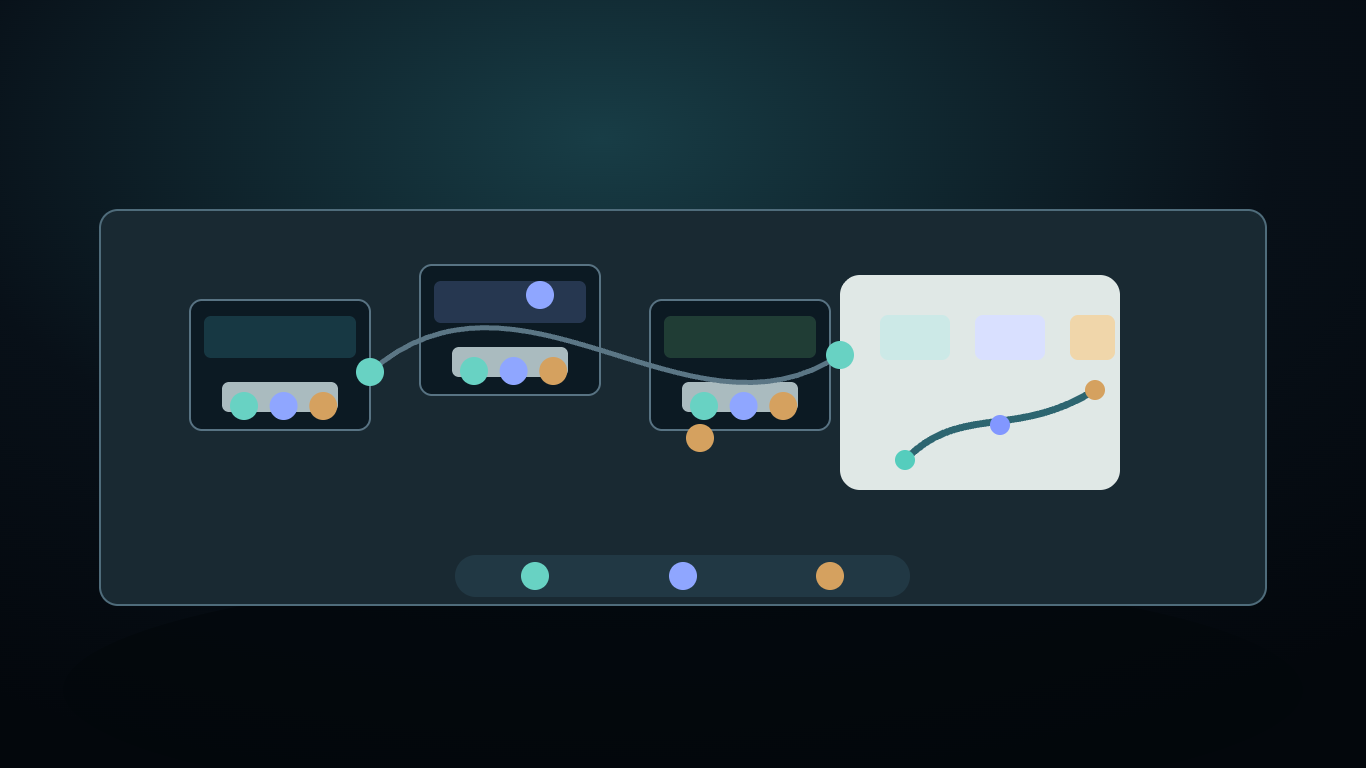
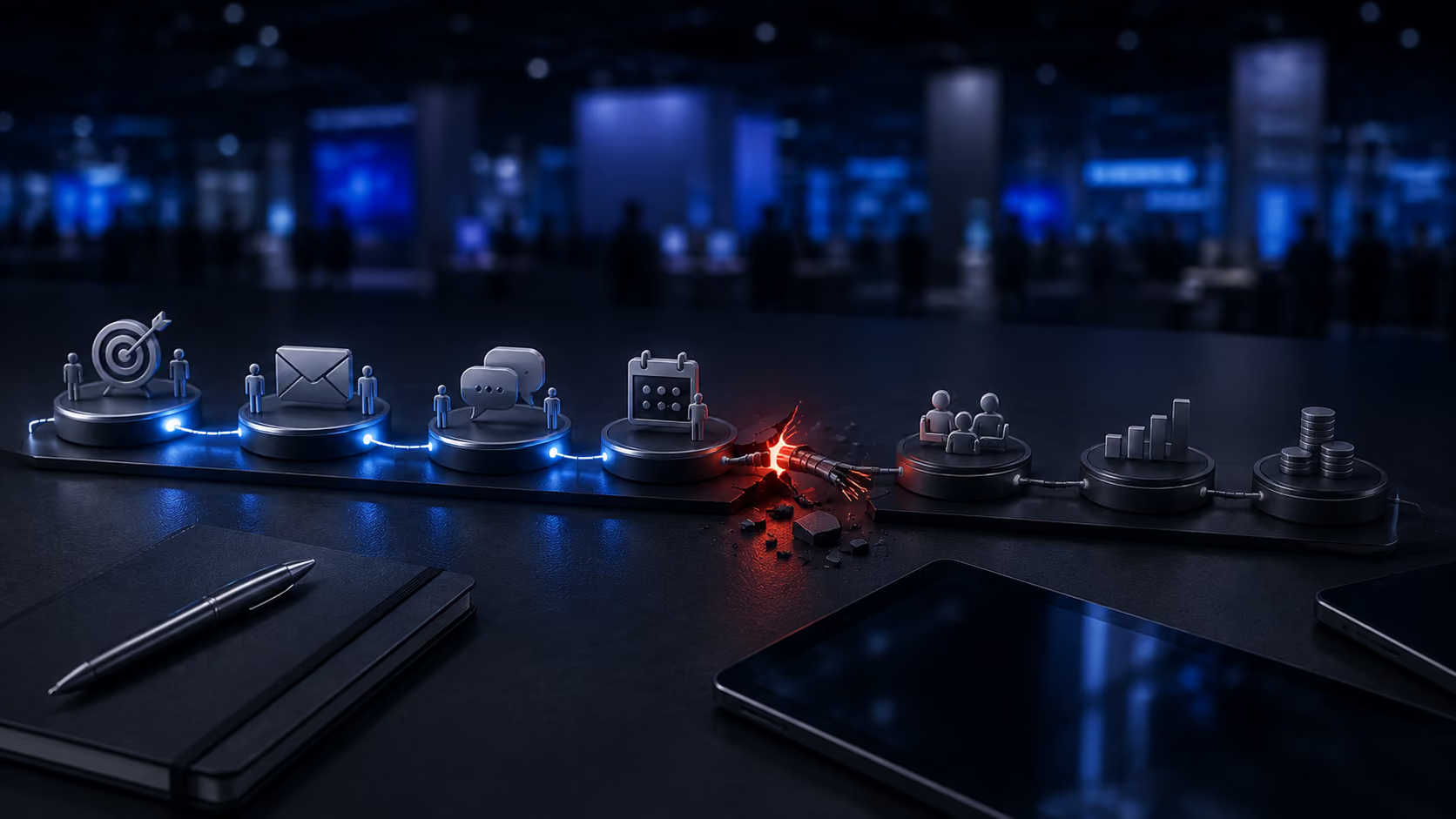
A simple framework works best: pre-show, on-floor, post-show.
Pre-show intelligence
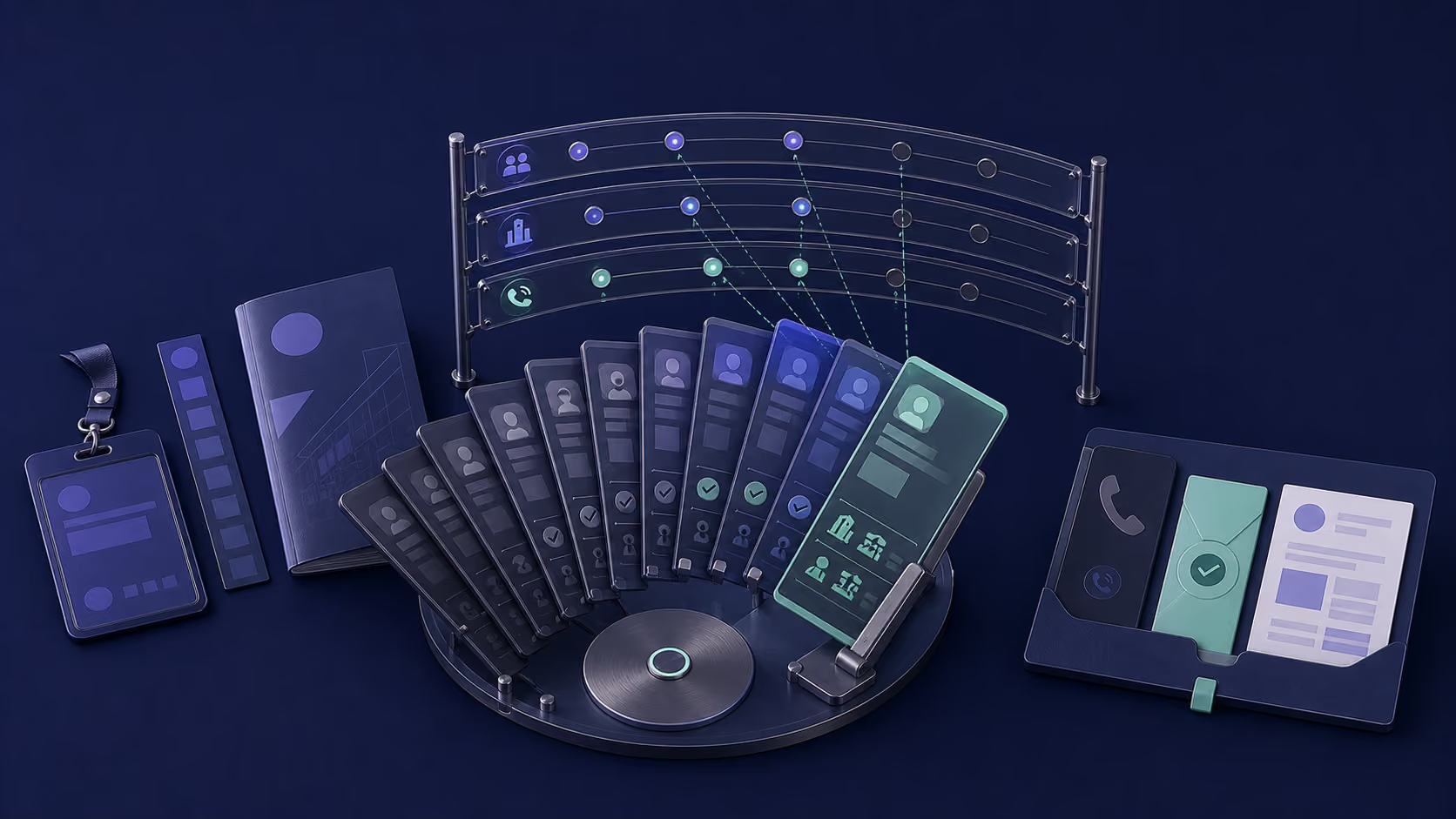
Before the event, review exhibitor directories, sponsor lists, floor plans, speaker pages, agenda tracks, event apps, LinkedIn posts, and your CRM. Build a target list before anyone steps into the hall.
Pre-show intelligence should answer:
- Which accounts are worth outreach?
- Which competitors should we watch?
- Which booths should sales visit?
- Which sessions reveal buyer priorities?
On-floor intelligence
On the floor, capture what changes action. That might be a competitor's new positioning, a buyer objection, a crowded demo, a sponsor partnership, or a target account visiting several related booths.
If your booth team is also capturing leads, make sure contact data includes context. Lensmor has a deeper guide on how to collect leads at a trade show, but the short version is simple: a badge scan without notes is weak intelligence.
Post-show intelligence
After the show, turn observations into decisions. Update account tiers, sales messaging, nurture tracks, competitor notes, and next-event planning.
Pro Tip: Run a daily debrief during the event. Waiting until the team is back home guarantees lost detail.
How to Collect Trade Show Intelligence Ethically
Trade show intelligence should be professional. You do not need hidden badges, fake identities, or confidential information.
Stay transparent and professional
Wear your badge. Do not misrepresent who you are. Do not pretend to be a buyer if you are not one. Public events give you plenty to learn without crossing the line.
Collect public and permission-based information
Public booth displays, session topics, sponsor listings, product brochures, public demos, press releases, and voluntary conversations are fair sources. If someone asks you not to record, photograph, or share something, respect it.
Protect your own booth intelligence
Your competitors may be watching too. Train booth staff on what they can share, what they should avoid discussing, and how to redirect sensitive questions.
Trade Show Intelligence Checklist
Use a checklist so your team collects consistent information instead of random impressions.
| Stage | Actions | Output |
|---|---|---|
| Before | Review exhibitors, sponsors, floor plan, agenda, CRM | Target accounts and collection priorities |
| During | Observe booths, demos, buyer questions, traffic, lead context | Daily notes and priority updates |
| After | Debrief, segment leads, update CRM, revise messaging | Sales actions and market learnings |
Turning Trade Show Intelligence Into Pipeline
Trade show intelligence earns its keep when it changes sales action. If the output is a report nobody uses, the process failed.
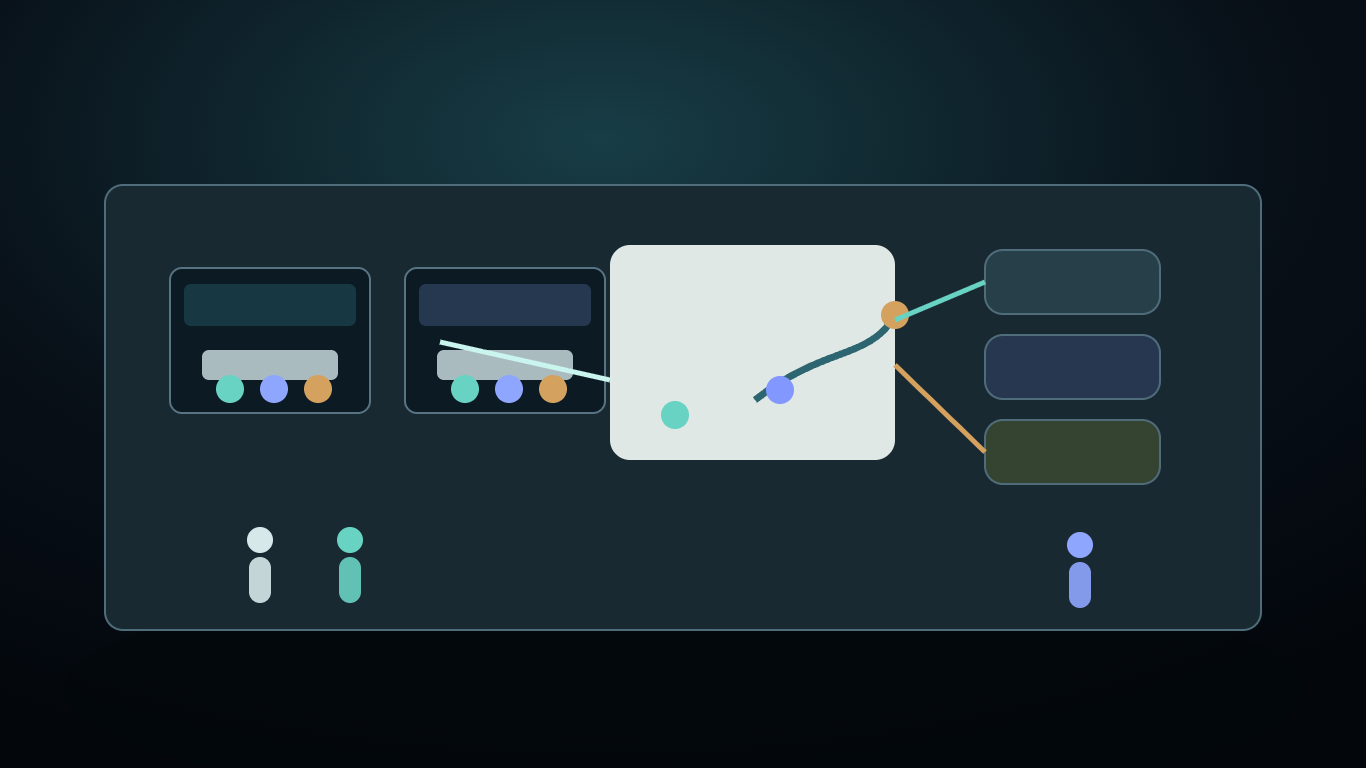
Prioritize accounts before outreach
Start with exhibitor and sponsor lists, then enrich them with company size, category, geography, CRM status, recent event activity, and ICP fit. This turns a raw event list into an outreach plan.
If your team needs to turn exhibitor and sponsor data into prioritized accounts, you can start with Lensmor before the show opens.
Give sales context before the show
Sales should know why each account matters. Give them account notes, relevant booth activity, likely pain points, and a simple reason to meet.
This is where trade show intelligence supports trade show lead generation. The goal is not more names. It is better context before the first conversation.
Segment follow-up by ICP fit and signal strength
After the show, segment by fit and signal:
- High fit, high signal: personal follow-up now.
- High fit, low signal: nurture with relevant context.
- Low fit, high signal: route to the right partner or segment.
- Low fit, low signal: do not overload sales.
Pro Tip: Signal strength matters. A target account that visited your booth, asked about pricing, and attended your demo should not receive the same follow-up as a casual badge scan.
Trade Show Intelligence Tools and Data Sources
You do not need one perfect source. You need a process for combining sources.
Event websites, apps, and exhibitor directories
Event websites show exhibitors, sponsors, speakers, agendas, booth maps, and sometimes attendee profiles. Event apps may reveal session interest, meeting availability, and company participation.
CRM, LinkedIn, and company websites
CRM data tells you whether an exhibitor is already in-market, a customer, a lost opportunity, or a target account. LinkedIn and company websites add context: hiring, partnerships, product launches, funding, and event activity.
AI and event intelligence platforms
AI and event intelligence platforms can help sort event data faster, identify ICP-fit accounts, and prepare outreach. If your team wants to move from manual list review to repeatable account prioritization, use Lensmor to build a trade show intelligence workflow around your next event.
Common Trade Show Intelligence Mistakes
The same mistakes show up repeatedly.
Collecting too much without a decision to make
If you do not know what decision the intelligence should support, every observation looks useful. Start with the decision: messaging, account priority, competitor response, follow-up tier, or next-event investment.
Waiting until after the show to analyze everything
Some intelligence expires quickly. If a competitor changes messaging on day one, your booth team can adjust on day two. Do not wait for a perfect report.
Confusing badge scans with intelligence
A badge scan tells you who stopped by. Intelligence tells you why they stopped, what they cared about, whether they fit your ICP, and what should happen next.
Conclusion
Trade show intelligence is not about collecting random observations. It is about turning event signals into better decisions.
The strongest teams know who matters before the show, capture context during the show, and act quickly after the show. That is how trade show data becomes pipeline instead of another spreadsheet.
Related reading: the event intelligence tools comparison.