.avif)
Trade show booth builders can grow more orders when outreach starts from a real event, a real deadline, and a reachable decision-maker. A Chicago booth builder proved the point after replacing referral-led prospecting with a Lensmor workflow for finding nearby trade shows, identifying exhibitors, enriching contacts, and reaching buyers before other local service providers entered the conversation.
This is an anonymized customer story. The company is a Chicago-based startup that provides trade show booth build and setup services. The founder asked to keep the business name private, so this article focuses on the workflow, the buyer timing, and the operating lessons other event service providers can copy.
The important part is not that the company sent more outreach. It found a better moment to sell.
What is trade show booth setup lead generation?
Trade show booth setup lead generation is the process of finding companies that will exhibit at upcoming trade shows, identifying the people responsible for booth planning, and contacting them before event logistics are locked. The strongest workflow starts with the event calendar, not a generic company list.
That timing matters because booth buying is deadline-driven. A company exhibiting in Chicago six weeks from now has a real operational problem. A company in a static contact database may have no booth need this quarter.
For a small service provider, that distinction changes the entire sales motion. You stop asking the market, "Do you need us someday?" and start asking, "Are you ready for this specific show?"
Why the old sales motion kept order volume flat
The booth builder had a familiar startup problem. The team could do the work, but the market did not know to call them.
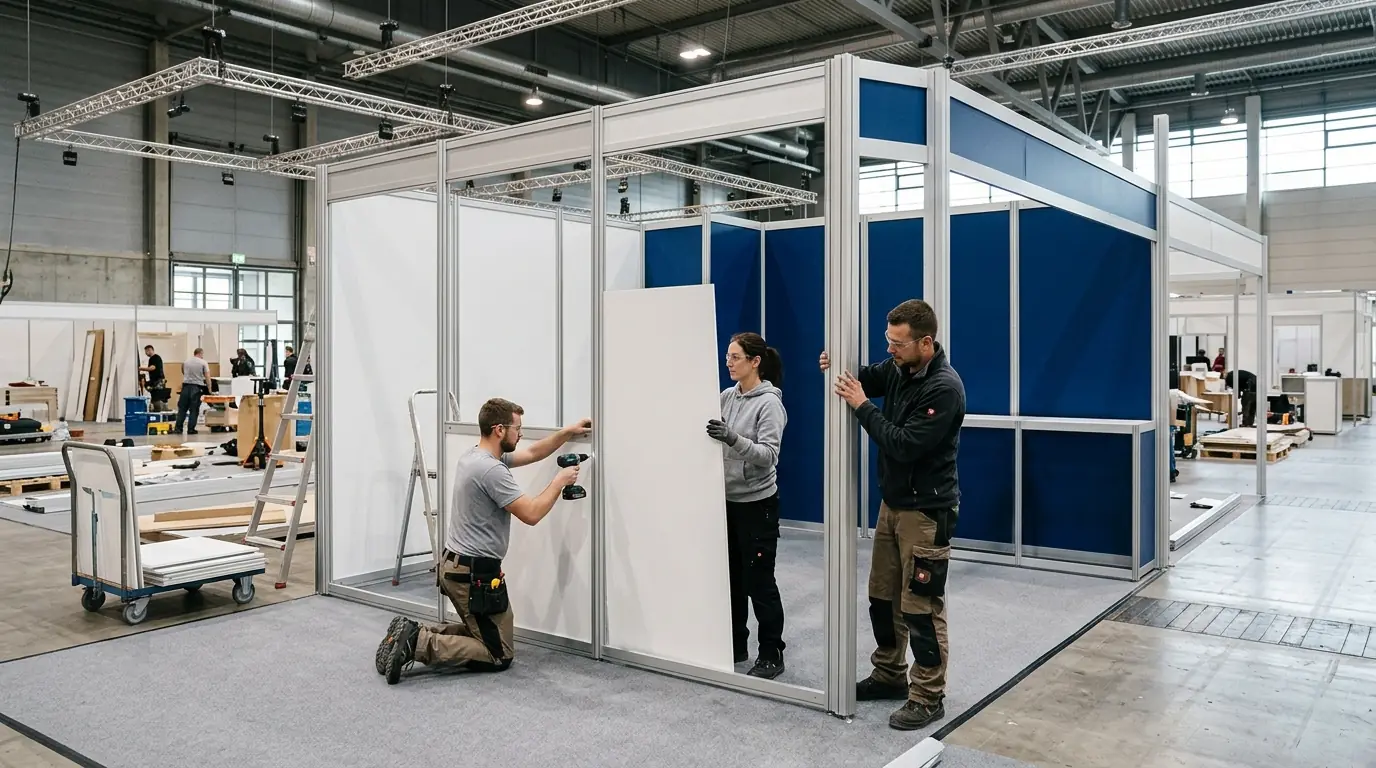
Before Lensmor, most orders came from referrals, old relationships, event friends, occasional inbound requests, and manual research. The founder would search for Chicago trade shows, open event websites, scan exhibitor pages, and try to guess which companies might need help. Some weeks produced a few names. Other weeks produced nothing useful.
That process created three constraints.
First, the company found opportunities too late. By the time an exhibitor list was easy to find, many exhibitors had already chosen a booth partner, approved a design, or handed the project to an incumbent vendor.
Second, the founder rarely had the right contact. Public exhibitor directories usually show company names and websites. They do not reliably show the field marketing manager, event operations owner, founder, or sales lead who can actually approve local booth support.
Third, the startup was competing against memory. Established booth builders get calls because buyers already know them. New vendors need a different advantage. They need to be earlier, more specific, and easier to work with.
Traditional prospecting made the booth builder visible only after buyers were already moving.
What changed after the founder found Lensmor
Lensmor helped the founder turn local event demand into a weekly prospecting system. Instead of searching the web one event at a time, the company used Lensmor to find upcoming trade shows in and around Chicago, inspect relevant exhibitors, and enrich the contacts most likely to own booth decisions.
The workflow was simple enough to repeat:
- Search for upcoming trade shows near Chicago.
- Filter for events where exhibitors were likely to need booth design, fabrication, installation, or local setup support.
- Review exhibitor and attendee context inside the event record.
- Enrich key decision-maker contacts tied to field marketing, event operations, partnerships, sales, or company leadership.
- Reach out while exhibitors were still comparing local service options.
This moved the company from reactive selling to calendar-based selling.
Lensmor changed the source of the sales queue.
The founder was no longer asking friends for introductions or waiting for generic inbound traffic. Each week started with a local event map, not a blank prospecting spreadsheet.

The before-and-after workflow
The improvement came from better timing, better fit, and better contact paths working together.
The before-and-after table looks simple, but it captures the core lesson. The company did not win because it became louder. It won because the outreach became tied to a real event, a real city, and a real deadline.
That is what most generic prospecting misses.
How the Lensmor workflow actually worked
Step 1: Start with the local event calendar
The founder began by searching upcoming trade shows near Chicago. This seems obvious, but it was the step that changed everything.
Most small vendors start with a list of companies and then wonder whether those companies have a near-term need. The Lensmor workflow started with near-term need first. If a company was exhibiting at a Chicago event soon, there was a reasonable chance it needed booth planning, setup, local labor coordination, repairs, signage, storage, or last-minute support.
That made the outreach sharper.
Pro Tip: For local event service providers, search 30 to 90 days ahead. Under 30 days, many booth decisions are already locked. Over 90 days, urgency drops and buyers may not have started logistics planning.
Step 2: Separate likely buyers from noise
Not every exhibitor is worth contacting. Some exhibitors have national agencies. Some use the same modular booth every year. Some are too small to pay for custom help. The founder used event context to prioritize exhibitors where a local Chicago vendor could create a clear advantage.
The best-fit accounts shared a few patterns:
- Out-of-state exhibitors coming into Chicago.
- First-time or smaller exhibitors without a mature event operations team.
- Sponsors or larger booths where presentation quality mattered.
- Companies attending multiple regional shows in a short period.
- Teams in categories where demos, physical displays, or trust-building matter.
This filtering step kept the founder from turning Lensmor into another giant list. The goal was a small sales queue with high timing relevance.
Step 3: Enrich the people closest to the booth decision
The founder did not need "anyone at the company." The company needed the person close enough to the event budget to answer.
Lensmor's contact enrichment helped the team find people in roles such as event marketing, field marketing, partnerships, operations, sales leadership, and founder/owner roles at smaller exhibitors. Those contacts gave the outreach a real path instead of a generic inbox.
The first line of the message could now reference the exact show and city:
"Saw your team is exhibiting in Chicago next month. If you're still comparing booth setup or local install support, we can send a fast quote."
That is not a cold pitch in the usual sense. It is a timely operational offer.
Step 4: Reach buyers before the vendor decision
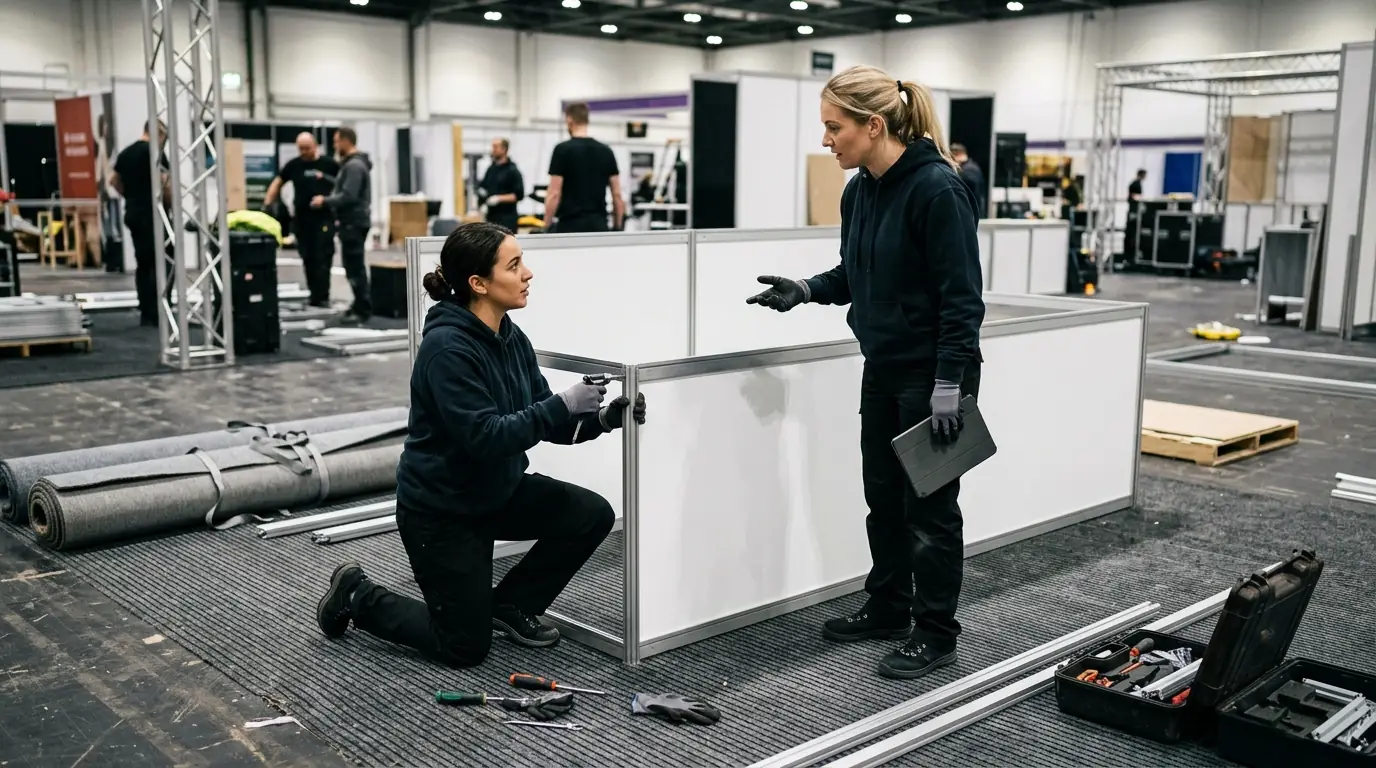
Speed mattered because booth vendors are chosen early. Once an exhibitor has selected a partner, arranged labor, approved production, and shipped materials, switching vendors becomes expensive.
The founder used Lensmor to move earlier in that buying window. The team could reach out while exhibitors were still deciding whether to use an out-of-town vendor, hire local setup support, or patch together internal resources.
That timing gave the startup a credible wedge against larger vendors:
- Local availability near the venue.
- Faster quote turnaround.
- Fewer coordination issues for out-of-town exhibitors.
- Better last-mile support when plans changed.
- A founder-led response instead of a slow sales handoff.
Pro Tip: Do not lead with a long company introduction. Lead with the event. The buyer should understand in the first sentence why you are reaching out now.
Step 5: Repeat weekly and learn from replies
The founder turned the workflow into a habit. Every week, the team checked upcoming local events, reviewed new exhibitors, enriched relevant contacts, sent targeted outreach, and tracked which show categories created replies and orders.
That feedback loop mattered. The company learned which industries were more likely to need local booth support, which roles responded, and which message angles moved fastest.
The first version of the workflow was not perfect. But it was far better than waiting for referrals.

Why the company grew orders 8x
The 8x order increase came from reaching more buyers while they still had an unsolved event problem.
Before Lensmor, the company depended on the small number of people who already knew it existed. After Lensmor, the addressable market became every relevant exhibitor preparing for an upcoming Chicago event.
That is a different business.
Use conservative planning numbers to see why the shift matters:
These are illustrative planning figures, not disclosed customer revenue. The actual lesson is simpler: when each project has meaningful contract value, earlier access to the right accounts can change the economics of a small service business.
The founder did not need thousands of contacts. The company needed enough right-fit exhibitors with enough time left to choose a vendor.
Pro Tip: Track every order by event source, contact role, outreach date, and message angle. If a trade show category produces replies but no orders, change the offer. If a category produces orders quickly, build the next search around that pattern.
What other event service providers can copy
The same workflow applies beyond booth builders.
AV providers can search upcoming events and contact exhibitors likely to need screens, demo stations, lighting, or presentation support. Staffing agencies can find brands that need booth reps or field marketing staff. Logistics providers can target out-of-state exhibitors before freight and drayage problems appear. Print vendors can reach companies that need signage, banners, or last-minute booth materials.
The common pattern is not "sell event services." The pattern is "sell into a known event deadline."
Here is the repeatable version:
- Choose a region where you can fulfill quickly.
- Search upcoming trade shows in that region.
- Filter for exhibitors that match your service fit.
- Enrich the contacts closest to the event decision.
- Send event-specific outreach before vendor choices are locked.
- Track which event categories and roles create orders.
- Repeat weekly as new events and exhibitors appear.
This works because the buyer is already in motion. You are not trying to convince a company that trade shows matter. They have already committed to exhibiting. Your job is to reach the right person before the support decision is closed.
Why local event intelligence beats generic prospecting
Generic prospecting asks the buyer to imagine a future need. Local event intelligence identifies a current constraint.
For the Chicago booth builder, that changed the tone of every sales conversation. The founder could talk about a specific show, a specific city, and a specific support gap. That made the outreach feel practical instead of speculative.
This is the advantage small service providers can use against larger incumbents. They may not have the largest portfolio. They may not have the deepest referral network. But they can be earlier, more relevant, and easier to reach when an exhibitor needs help.
Related reading: how to find buyers before a trade show and first-time exhibitor checklist.
Conclusion
For a current product workflow, explore exhibitor prospecting for booth builders. Research companies in your delivery territory, identify project roles, and qualify the build requirements directly with each prospect.
The Chicago booth builder did not grow orders 8x because the service suddenly changed. The company grew because the founder changed how demand was found. Lensmor turned upcoming local trade shows into a repeatable sales queue with relevant exhibitors, reachable decision-makers, and better timing.
Start Free - Start using Lensmor's event intelligence platform today. Predict attendee lists, discover relevant events, and enrich contact data for your next trade show.


.avif)