.avif)
Patent law firms can win better trade show clients by treating exhibitors as time-sensitive business-development signals, not just names in a cold database. In this case, an Indian IP practice used Lensmor one month before Automate 2026 to identify high-value exhibitors, connect with 30 target companies, and turn that pre-show access into two in-person meetings during the event.
That shift matters because trade shows create a rare moment of urgency for intellectual property services. A hardware manufacturer preparing to launch a new robotics component, sensor, automation system, or AI-enabled machine is not just buying booth space. It is showing the market something it has spent months or years building.
That is exactly when patents, trademarks, design protection, and IP risk move from "legal someday" to "we should talk now."
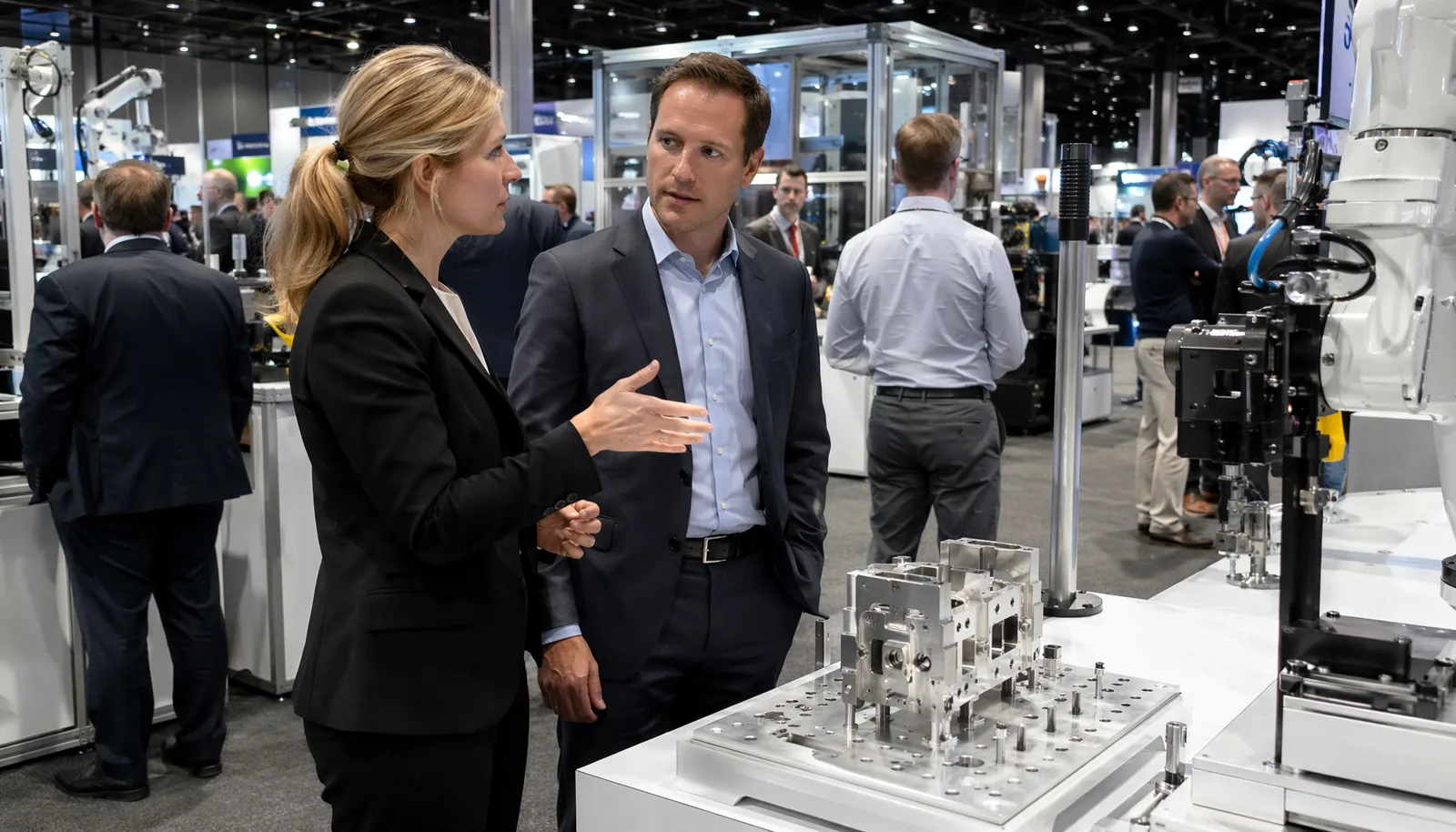
Automate 2026 was a strong fit for this motion. The show ran June 22-25, 2026 at McCormick Place in Chicago, and the Automate exhibitor ecosystem spans robotics, AI, machine vision, motion control, and industrial automation. For an IP team, that is not a generic event list. It is a concentrated map of companies likely to have protectable technology in motion.
Why exhibitors became the right client segment
Most law firm business development still treats prospects as static accounts.
A database says a company exists. A funding announcement says a company raised money. A LinkedIn profile says someone works in engineering, product, or operations. Those signals can help, but they do not explain why the prospect should talk to a law firm this month.
An exhibitor list is different.
When a company exhibits at a show like Automate, it is often preparing to demonstrate a product, meet buyers, recruit partners, speak with distributors, or launch something new. That public commitment creates a deadline. It also creates a topic for outreach that feels specific instead of random.
For a patent law firm, the angle is straightforward: "You're bringing new automation technology to market. Have you protected the invention, the design, the brand, and the sales materials before the show exposes them to competitors?"
That is a better opening than "Do you need IP services?"
It also changes the economics. A partner or senior associate spending five days on broad outreach may produce a handful of vague calls. If that same team can start with 30 high-fit exhibitors that are already tied to a live product moment, every hour becomes more productive.
Here is the simple math the Indian IP practice cared about. If one senior business-development person spends 40 hours manually building an event list, researching contacts, and writing first-touch messages, that is a full week before the first real conversation starts. At a conservative loaded cost of $100 per hour, the firm has already spent $4,000 in research time.
If the result is five weak calls, that is $800 in research cost per call before travel, follow-up, or partner time.
Lensmor changed the starting point. The team could use the event itself as the filter, narrow the exhibitor universe quickly, and focus the expensive human time on judgment, messaging, and meetings.
The old workflow was too slow for event-driven IP work
Before Lensmor, the firm relied on the same tools many professional-services teams use.
ZoomInfo could provide company and contact records. LinkedIn could help with title checks. Google could surface event pages. Manual research could identify some exhibitors. None of those tools were useless.
The problem was sequence.
The team had to first decide which events mattered, then find exhibitor lists, then qualify companies one by one, then identify which people might actually attend, then build the contact path, then start outreach. By the time that work was complete, the best window for pre-show conversations was often gone.
For legal services, timing is not cosmetic. If the first message arrives after the show, the prospect has already exposed the product, gathered feedback, talked to competitors, and moved back into daily work. The legal conversation becomes easier to postpone.
If the first message arrives one month before the show, the same outreach lands in the planning window.
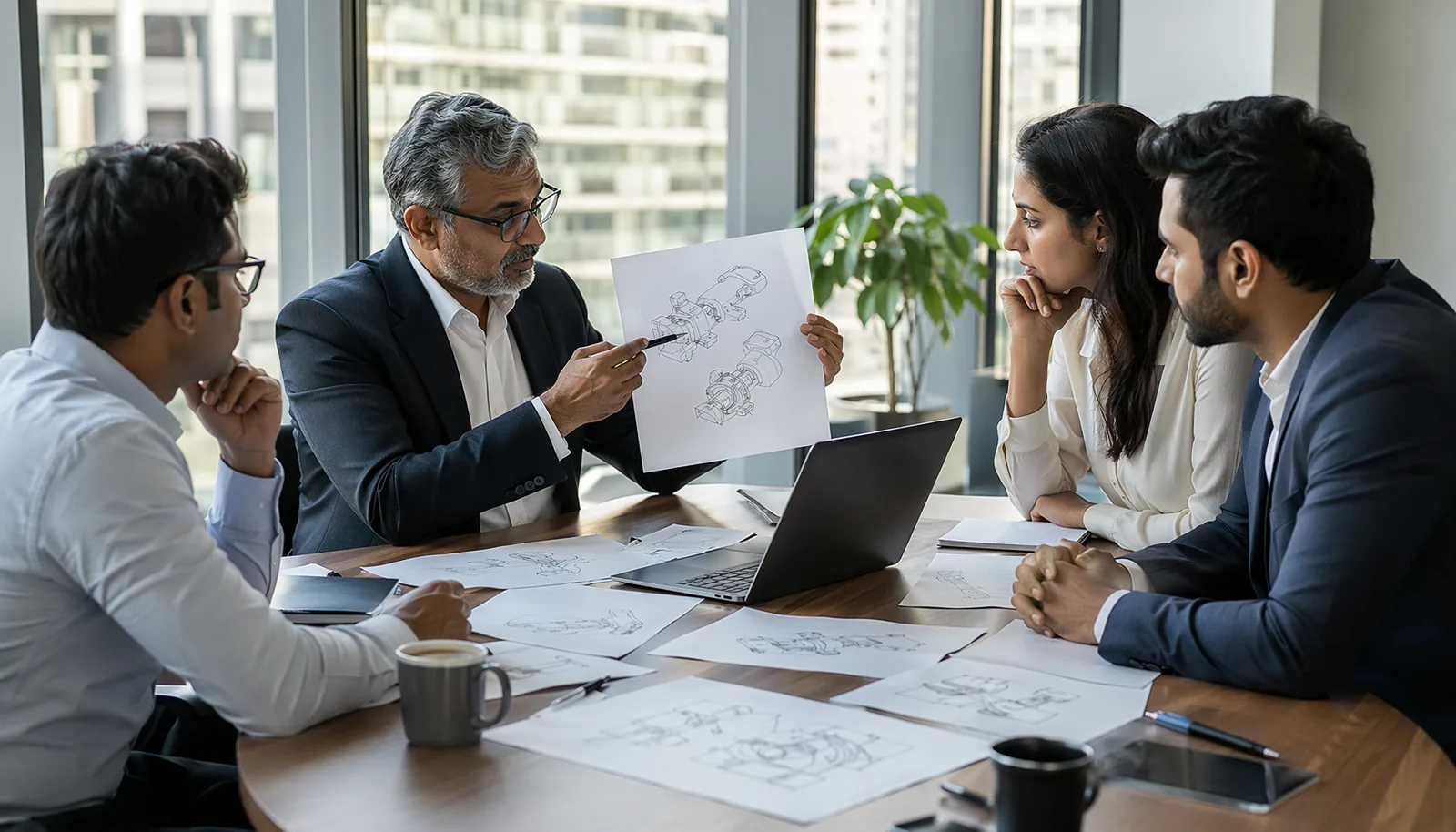
That was the core improvement. Lensmor did not give the firm a bigger cold list. It gave the firm an earlier and more relevant path into a market moment.
What Lensmor changed before Automate 2026
The workflow started with Automate 2026 as the anchor event.
Instead of asking, "Which companies should we prospect this quarter?" the firm asked a sharper question: "Which exhibitors at this event are most likely to need IP protection before, during, or shortly after the show?"
That question produced a much better account list.
The team looked for hardware manufacturers, automation suppliers, robotics companies, AI-enabled industrial systems, component makers, and companies whose booth presence suggested product novelty. It deprioritized accounts where the connection to patent or product protection was weak.
Then the firm used Lensmor to move from companies to people. A company-level exhibitor record is useful, but law firm business development needs a human path: founders, product leaders, engineering executives, business-development heads, legal contacts, or commercial leaders who might actually care about product exposure and IP protection.
That is where the outreach became practical.
The firm connected with 30 high-value target exhibitors before Automate 2026. These were not random records pulled from a sales database. They were companies tied to a specific event, a specific product category, and a specific deadline.
Pro Tip: For IP practices, the best event target is not always the biggest booth. Look for companies where the product itself is new, technical, differentiated, or visibly entering a competitive market.
The event context made the outreach feel useful
The message did not need to sound clever.
It needed to sound relevant.
The firm could reference the upcoming show, the exhibitor's category, and the risk that comes with public product exposure. That turned a legal pitch into a practical pre-show check.
A generic ZoomInfo sequence usually starts with the seller's category: "We help companies protect intellectual property." That may be accurate, but it forces the prospect to connect the dots.
The Lensmor-driven sequence started with the prospect's reality: "You're exhibiting at Automate soon, and companies in this category often use the show to demonstrate new hardware or automation systems. If you're bringing new product IP into a public environment, it may be worth reviewing what is protected before the event."
That is a very different conversation.
It is not louder. It is better timed.
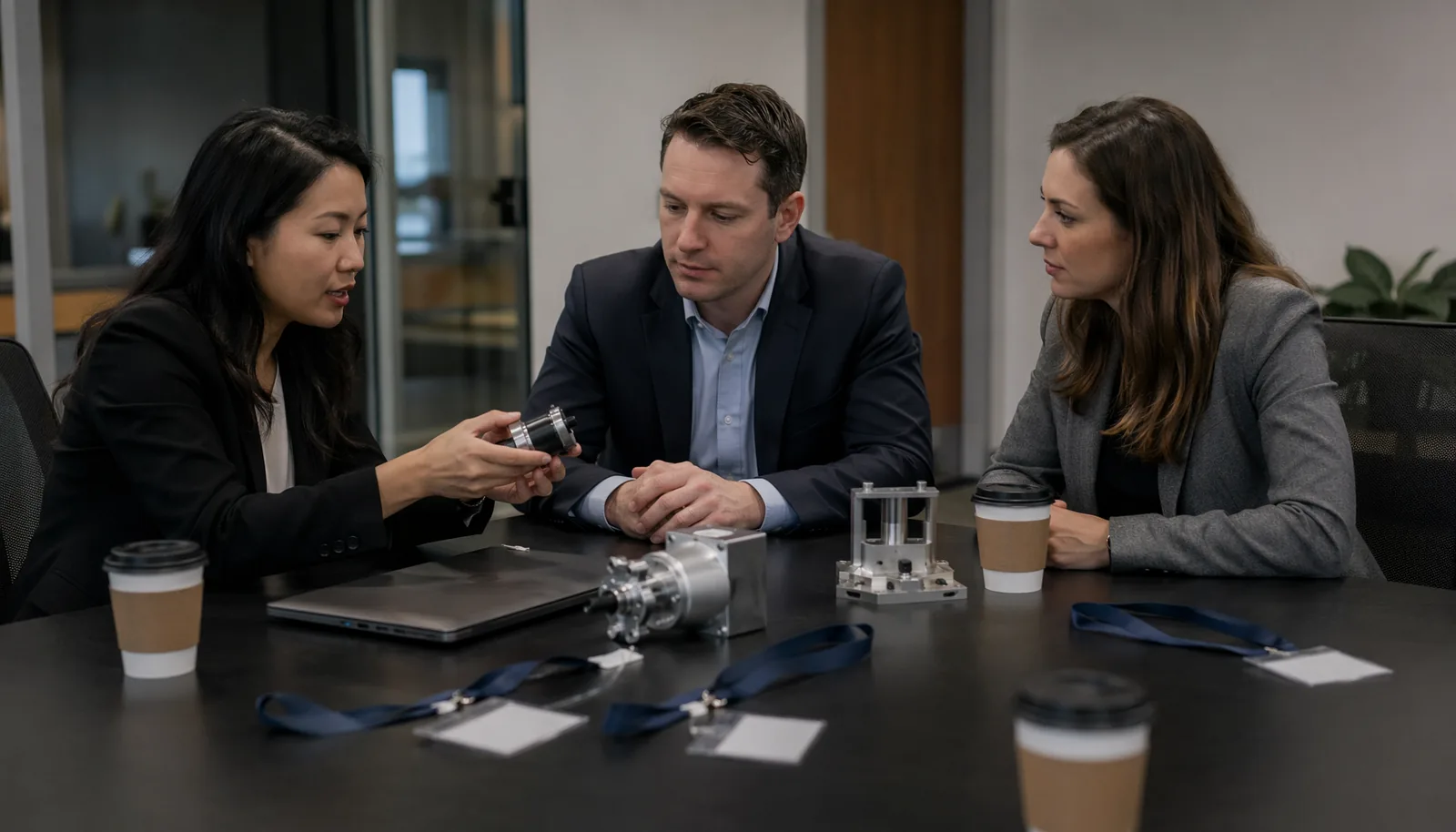
A locked comparison table for the workflow shift
The firm did not replace human judgment. It moved human judgment later in the process, after Lensmor had already narrowed the market.
The comparison below is intentionally simple. It shows why the same business-development team became more effective once the work started from event intent instead of a static database.
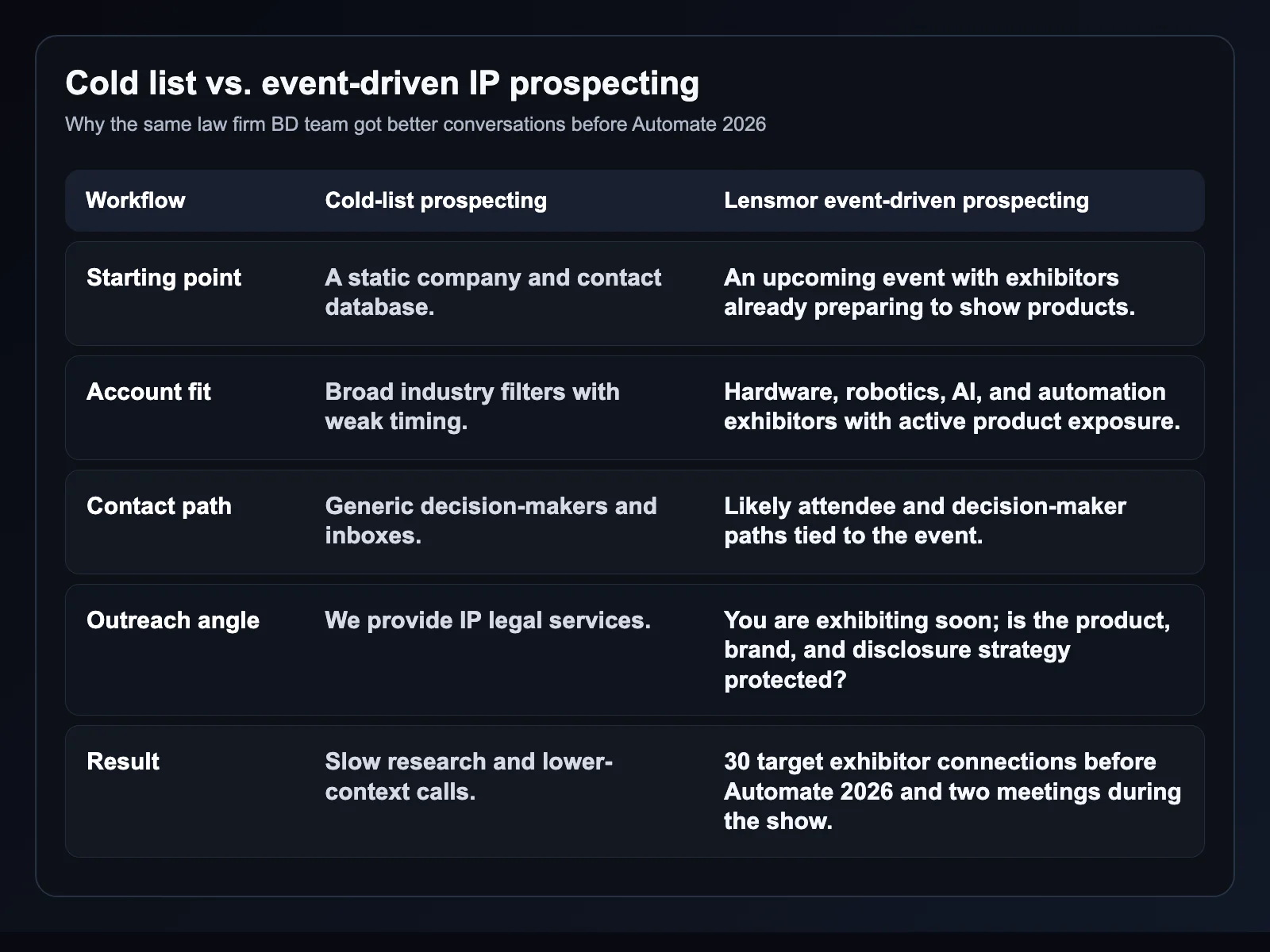
The takeaway is not that ZoomInfo, LinkedIn, or manual research have no value. The takeaway is that those tools are not built around event timing.
For patent law firms, timing is the difference between "maybe we should talk someday" and "we're about to put this product in front of buyers, competitors, and partners next month."
Why Automate 2026 created an unusually good IP trigger
Not every trade show is a good fit for an IP practice.
A general business conference may have decision-makers, but it may not contain enough product novelty. A local networking event may have relationships, but not enough technical substance. A service-heavy expo may create referrals, but not the kind of patent urgency an IP firm needs.
Automate was different because the exhibitor base naturally overlapped with IP demand.
Robotics companies may need patent strategy around mechanical systems, control methods, sensors, safety mechanisms, or software-enabled hardware. AI automation companies may need to protect model-enabled workflows, user interfaces, proprietary data pipelines, or productized processes. Machine vision companies may need claims around hardware design, inspection methods, or deployment architectures.
Even when a company already has counsel, the show creates a reason to revisit protection. Is the public demo aligned with the patent filing strategy? Are sales decks revealing too much? Is the product name protected? Are partner conversations exposing trade secrets? Are overseas filings being considered early enough?
Those are practical questions. They are also questions many technical teams do not prioritize until someone raises them at the right moment.
Pro Tip: Patent firms should not pitch every exhibitor the same way. Segment by product risk. A robotics hardware company, a software-only AI vendor, and a component manufacturer need different IP angles.
The result: 30 connections and two meetings during the show
By starting one month before Automate 2026, the Indian IP practice gave itself enough time to warm the market.
The team connected with 30 high-value exhibitors before the event. During Automate 2026, it held two meetings with target companies it had already engaged. Those meetings were stronger because they were not cold booth walk-ups. The relationship had started before the show.
That is the difference between visiting a booth as a stranger and arriving with context.
The firm also converted several conversations into client opportunities after the event. The exact value varied by account, but the mechanism was consistent: a prospect with a live product moment was easier to move than a prospect pulled from a generic legal services list.
For a law firm, two meetings at a major industry show can be worth more than dozens of unfocused contacts. One patent filing, one trademark package, one international filing strategy, or one ongoing IP advisory relationship can justify the effort.
What other patent law firms can copy
The playbook is useful beyond Automate.
Patent law firms can apply the same workflow to manufacturing, robotics, medical devices, semiconductors, automotive technology, industrial AI, consumer electronics, and hardware startup events.
Start by choosing events where exhibitors are likely to reveal technical products. Then identify companies with visible innovation pressure. Look for product launches, demo-heavy booths, sponsorships, speaking slots, funding momentum, hiring signals, or international expansion.
Next, find the people who can start the conversation. In some companies, that may be a founder. In others, it may be a head of product, CTO, VP engineering, general counsel, business development lead, or regional commercial leader.
Then write outreach around the event trigger, not the legal category.
The strongest message is not "we offer patent services." It is "this show creates an IP exposure moment, and here is the practical issue your team may want to address before or after it."
Pro Tip: Keep the first message narrow. Ask about one concrete risk, such as public product demos, patent filing timing, brand protection, or partner disclosure. Broad legal pitches make the prospect do too much work.
Why this beats cold database prospecting
Cold databases are useful for coverage. They are weak at context.
They can tell you that a company exists, who works there, and sometimes which titles might matter. But they usually cannot tell you which companies are about to step into a public product moment, which event gives you a credible reason to reach out, or why the prospect should care now.
Lensmor helped the firm combine three signals that rarely live in one place:
- The event signal: Automate 2026 was happening on a known date, in a known city, with a relevant exhibitor universe.
- The account signal: certain exhibitors were a stronger fit because of hardware, automation, robotics, AI, or product-launch relevance.
- The person signal: outreach worked better when it reached likely decision-makers and likely attendees, not just generic company inboxes.
That combination is what made the workflow more valuable than a cold list.
The firm still needed legal judgment. It still needed a credible message. It still needed follow-up discipline. But Lensmor gave it the event intelligence layer that made those human inputs land at the right time.
What this means for IP law firm business development
Most patent law firms do not need more random contacts. They need sharper moments.
Trade shows are one of those moments because exhibitors are actively bringing products, technology, and brand promises into public view. For an IP practice, that public exposure can be the bridge between a legal service and an immediate business problem.
The Indian IP practice used Lensmor to find that bridge before Automate 2026. It connected with 30 target exhibitors, held two meetings during the show, and turned event context into client conversations that a generic cold-list workflow would have struggled to create.
If your firm serves hardware, robotics, AI, manufacturing, or industrial technology companies, you can use the same approach. Find the event. Identify the exhibitors with real IP exposure. Reach the right people before the show. Use the event deadline to make the conversation timely.
Start Free — Start using Lensmor's event intelligence platform today. Predict attendee lists, discover relevant events, and enrich contact data for your next trade show.
Related reading: how to find buyers before a trade show and trade show lead generation guide.