
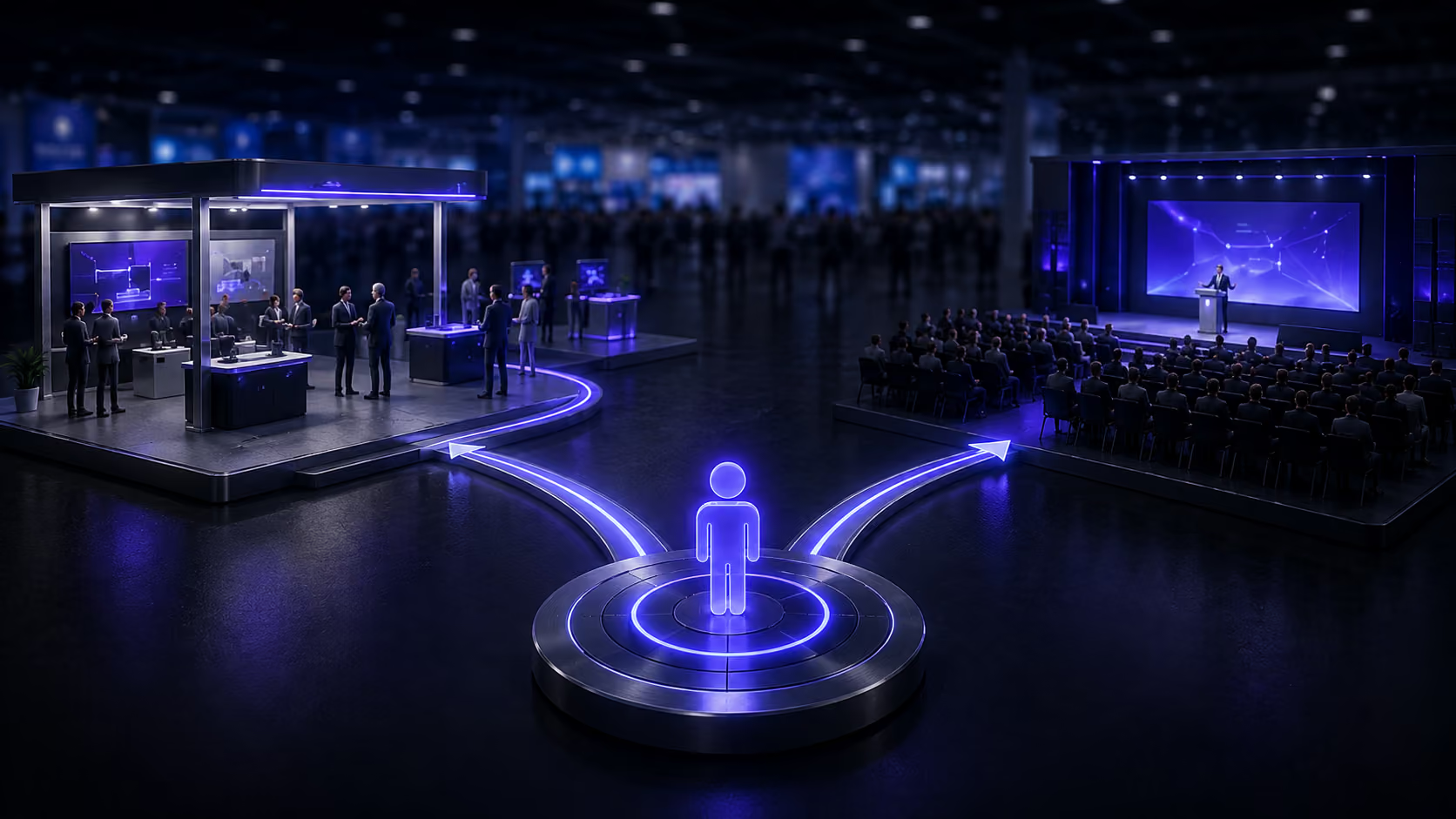
Trade shows and conferences can look similar from the outside, but they create value in different ways: trade shows concentrate buyers around exhibitors, while conferences concentrate professionals around education, networking, and thought leadership.
TL;DR
- A trade show is built around exhibitors, booths, product demos, and buyer conversations.
- A conference is built around sessions, speakers, workshops, and professional learning.
- Many large events are hybrids, so the useful question is whether the value comes from the floor, the sessions, or both.
- B2B teams should choose based on pipeline goals, buyer access, budget, and follow-up capacity.
- If you are exhibiting, pre-event intelligence matters more than the event label.
This page compares event formats. For the standalone definition and conference types, read what a conference is. For organizer execution, use the conference planning guide.
Trade Show vs Conference: Quick Answer
The simplest trade show vs conference difference is this: a trade show is floor-led, while a conference is session-led. At a trade show, the exhibit hall is the main event. At a conference, the agenda, speakers, workshops, and networking sessions carry most of the value.
A trade show exists so vendors can show products, meet buyers, and generate leads. A conference exists so professionals can learn, share ideas, hear speakers, and build relationships.
The overlap is real. A large conference may have a sponsor lounge or expo hall. A large trade show may include keynotes, panels, and workshops. The label matters less than the center of gravity.
What is a trade show?
A trade show is an industry event where companies rent booth space to display products, demonstrate services, meet buyers, and generate sales opportunities. If you want a deeper definition, Lensmor has a separate guide on what a trade show is.
The trade show meaning is commercial by design. Exhibitors pay for floor space because they want access to people who can buy, distribute, specify, recommend, or partner with them.
For B2B companies, that makes trade shows one of the few channels where buyer intent is physically concentrated. People are walking the floor because they want to compare options.
What is a conference?
A conference is a multi-session event where professionals gather to learn, network, discuss trends, and exchange ideas. It usually includes keynotes, panels, breakout sessions, workshops, roundtables, and networking receptions.
Lensmor also has a full guide on what a conference is, but the short version is simple: conferences are built around content and relationships.
That does not mean conferences cannot create pipeline. They can. The buying signal is just less obvious than someone walking up to your booth and asking for a product demo.
The simplest difference: floor vs sessions
If you only remember one test, use this:
- If most value comes from booths, demos, and vendor meetings, it is closer to a trade show.
- If most value comes from speakers, sessions, and peer learning, it is closer to a conference.
- If both matter, treat it as a hybrid event and plan for both motions.
That distinction changes how you prepare. A trade show rewards booth strategy, lead capture, floor planning, and pre-show outreach. A conference rewards agenda planning, speaker selection, meeting scheduling, and thoughtful networking.
Trade Show vs Conference: Key Differences
Trade shows and conferences both gather an industry in one place, but the business mechanics are different. Here is the practical comparison for B2B teams deciding where to invest time, budget, and sales effort.
| Category | Trade Show | Conference | What It Means for B2B Teams |
|---|---|---|---|
| Primary purpose | Product discovery, demos, sales conversations | Education, networking, professional development | Pick the format that matches your real objective |
| Main space | Exhibit hall | Session rooms and networking areas | Your schedule should follow where value is created |
| Audience intent | Compare vendors, find products, meet suppliers | Learn, network, discuss trends | Sales messaging should be direct at shows and softer at conferences |
| Best outcome | Qualified leads, booked meetings, pipeline | Relationships, knowledge, authority, partnerships | Measure the event by the right business metric |
| Follow-up motion | Fast lead routing and sales follow-up | Relationship nurturing and content follow-up | Do not use one follow-up playbook for both formats |
Purpose and success metrics
Trade shows are built for product visibility, lead generation, buyer conversations, partner discovery, and competitive scanning. If you are exhibiting, success usually means qualified leads, meetings booked, pipeline created, and opportunities moving after the show.
Conferences are built for education, thought leadership, peer networking, and professional development. Success may mean session attendance, relationships formed, partner meetings, content engagement, speaking opportunities, and longer-term influence.
That is why a trade show can look more expensive per lead but still be cheaper per opportunity. A booth conversation with a qualified buyer often carries more intent than a cold form fill.
Target audience and attendee intent
Trade shows attract buyers, sellers, suppliers, distributors, channel partners, analysts, press, and competitors. Many attendees are there to evaluate products or vendors.
Conferences attract professionals, practitioners, researchers, executives, speakers, sponsors, and teams trying to learn from peers. They may have buying authority, but they are not always walking around in buying mode.
That difference should change your outreach. At a trade show, you can lead with product fit, use case, and a reason to meet. At a conference, the opening often works better when it connects to the topic, session, role, or problem the person cares about.
Format and content
Trade shows revolve around booths, demos, sponsor activations, product displays, floor maps, badge scanners, exhibitor meetings, and category zones. Education may exist, but the floor is still the engine.
Conferences revolve around keynotes, panels, breakout sessions, workshops, roundtables, speaker tracks, and networking receptions. Sponsors may have booths, but the content agenda sets the rhythm.
This is where many teams misread events. They buy a booth at a conference and expect trade show behavior. Or they attend a trade show and spend the whole day sitting in sessions while better-fit accounts walk the floor.
Venue, layout, and spatial design
Trade shows need large exhibition halls, wide aisles, loading docks, power, internet, booth construction, signage, and traffic management. The floor plan is a sales asset.
Conferences need session rooms, stages, speaker prep areas, check-in zones, networking lounges, and places where attendees can hold real conversations between sessions.
For exhibitors, the physical layout matters because it affects who sees you and how easy it is to start a conversation. A bad booth location or a poorly routed floor can turn a strong event into a quiet one.
Networking style and follow-up
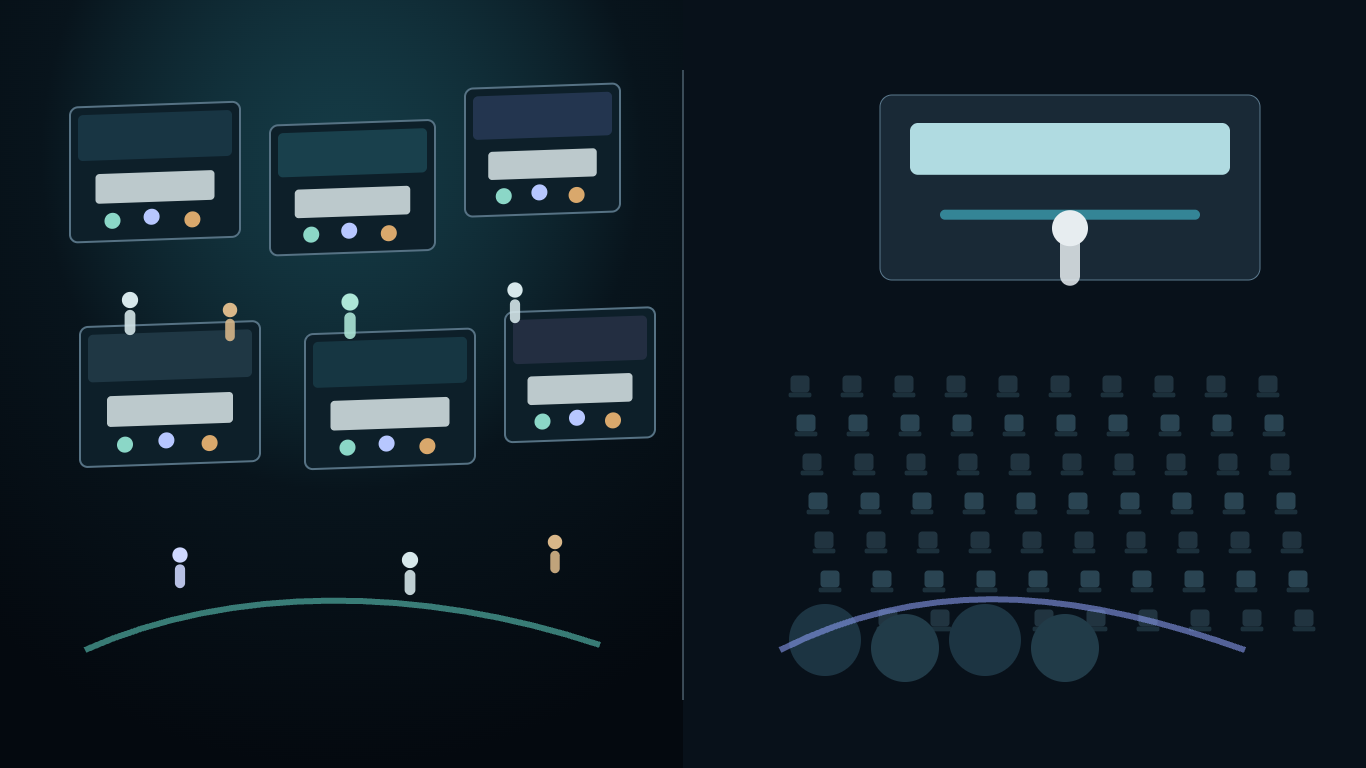
Trade show networking is faster and more transactional. People expect short conversations, demos, scans, and next steps.
Conference networking is usually slower. The best conversations happen after sessions, during meals, at receptions, or around shared professional interests.
Both can create pipeline. The follow-up should be different. A trade show lead needs a fast, specific next step. A conference connection may need a softer follow-up that references the conversation, session, or shared business problem.
Trade Show vs Conference Examples
Examples make the difference easier to see. The same venue can host both types of events, but the attendee experience is not the same.
Clear trade show examples
CES, Hannover Messe, IMTS, NRF, and large manufacturing or medical device shows are trade show-led events. The main value comes from walking the floor, comparing vendors, seeing demos, and meeting suppliers.
If your company sells to exhibitors, manufacturers, distributors, or industrial buyers, these events can be high-intent prospecting environments. The important thing is to know which exhibitors match your ICP before the show opens.
Clear conference examples
PyCon, SaaStr Annual, AWS re:Invent, INBOUND, and many academic or professional conferences are conference-led events. The agenda, speakers, workshops, and networking sessions drive the attendee experience.
These events can still create business outcomes. A founder may meet partners. A sales leader may identify new accounts. A sponsor may collect leads. But the buying signal is usually less visible than on a trade show floor.
Hybrid events that include both
Some events are both. A major conference may include a large expo hall. A trade show may include a full education program.
RSA Conference is a good example of a hybrid-style event for many attendees. Some people go for sessions and keynotes. Others spend most of their time in the expo hall meeting cybersecurity vendors.
The practical move is to plan around your own goal. If you need pipeline, build a target account list. If you need learning, build a session agenda. If you need both, split the team.
Trade Show vs Conference Cost and ROI
The cost question is bigger than "how much is the badge?" The real cost is time, travel, preparation, sponsorship, booth space, staff, production, and follow-up.
Cost to attend
Conference tickets often cost more than trade show buyer badges because the content program carries more value. A conference may charge for full access, workshops, certifications, or premium networking.
Trade show attendance can be free or low-cost for qualified buyers because exhibitors and sponsors fund much of the event economics. That does not make it cheap. Flights, hotels, meals, and four days away from work still add up.
The right question is whether the event concentrates enough of your market to justify the time. A cheap badge at the wrong event is still expensive.
Cost to exhibit or sponsor
Trade shows are expensive because the booth is only the start. You may pay for floor space, booth design, freight, storage, power, internet, scanners, staff travel, demo gear, printed materials, giveaways, and post-show campaigns.
Conference sponsorship can also be expensive, but the package may look different. You may pay for a speaking slot, sponsor lounge presence, branded content, attendee app placement, hosted meetings, or VIP access.
For B2B teams, the budget should include pre-event research and follow-up capacity. Spending five figures on a booth and then waiting until the event opens to figure out who to meet is a weak use of money.
How to measure success
Measure trade shows by qualified leads, meetings booked, opportunities created, pipeline value, booth traffic quality, and revenue influenced over a realistic attribution window.
Measure conferences by meetings, relationship quality, content engagement, session outcomes, partner conversations, influenced pipeline, and learning goals.
If you want a fuller measurement model, use a consistent event ROI framework across both formats. The inputs differ, but the discipline is the same: define the goal before the event and track the outcome after.
Pro Tip: Do not compare trade shows and conferences using raw lead count alone. A conference may produce fewer contacts but better partner relationships. A trade show may produce more leads but require stricter qualification.
When to Choose a Trade Show, Conference, or Hybrid Event
The right choice depends on what you need from the room. Do not pick based on event size, brand name, or what your competitors are doing. Pick based on your business motion.
Choose a trade show when your goal is buyer access
Choose a trade show when you need to meet buyers, distributors, suppliers, partners, or companies actively evaluating products in your category.
This is the better format when your team needs pipeline now, product feedback, category visibility, or meetings with companies that are already spending money in the industry.
Trade shows work especially well for B2B teams with clear ICPs, high-value accounts, and a reason to reach exhibitors before the event starts. That is why trade show lead generation needs to begin weeks before anyone steps onto the floor.
Choose a conference when your goal is learning or authority
Choose a conference when your goal is to learn, speak, build authority, meet peers, understand industry trends, or create relationships that mature over time.
Conferences are strong for founders, operators, marketers, product leaders, technical teams, and executives who need context as much as contacts.
They are also useful when selling into a market where trust matters. A good conference conversation can open a door, but it usually needs a more thoughtful follow-up than a trade show badge scan.
Choose a hybrid event when you need both product discovery and content
Hybrid events work when the audience needs education and vendor evaluation in the same trip. That is common in technology, healthcare, cybersecurity, manufacturing, and SaaS.
For hybrid events, plan two paths:
- A session path for learning, speaker access, and relationship building.
- A floor path for exhibitors, sponsors, demos, and account research.
If one person tries to do both all day, they will miss important moments. Split responsibilities when the event is large enough.
How B2B Teams Should Prepare Before Either Event
The teams that get the most from events rarely show up cold. They know who is in the room, who matters, what message fits, and what next step they want.
Research the attendee, exhibitor, and sponsor lists
Before a trade show, start with the exhibitor list. Before a conference, start with sponsors, speakers, attendees, and any companies hosting sessions or side events.
Then sort the list by ICP fit. A company that looks interesting is not always worth your time. A company that matches your segment, buying trigger, budget, geography, and use case deserves priority.
For founder-led teams and agencies, this is where the event starts to pay off. The list tells you who deserves outreach before the venue opens.
Build outreach before the event starts
Pre-event outreach beats post-event cleanup. A prospect who agrees to meet before the show is more valuable than a badge scan you barely remember three days later.
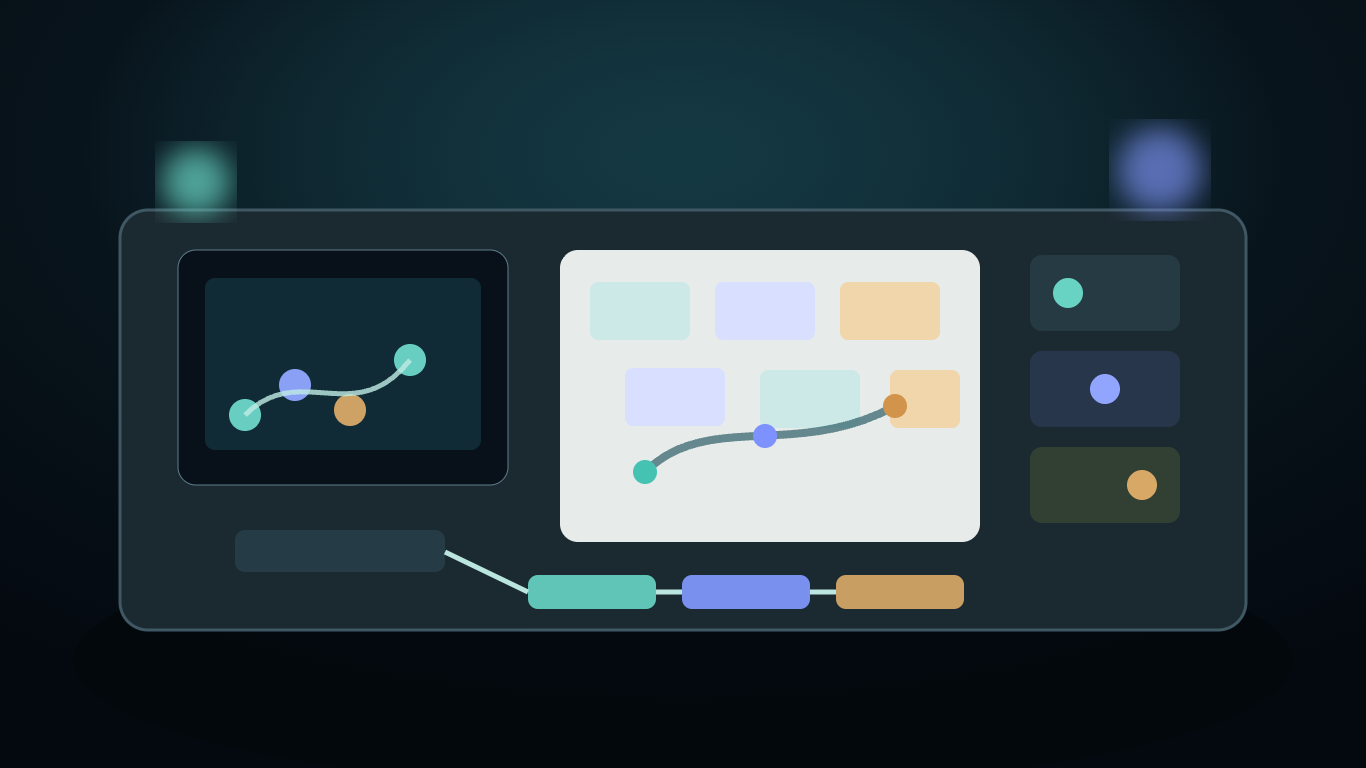
The best outreach is specific:
- Mention the event.
- Explain why the company is relevant.
- Offer a useful reason to meet.
- Keep the ask light.
If you are preparing for a trade show or conference, you can start with Lensmor to turn exhibitor and sponsor lists into prioritized accounts before your team starts outreach.
Capture context with every contact
Badge scans are data. They are not context.
For every meaningful conversation, capture the reason they stopped, what they care about, their role, the next step, and whether they fit your ICP. If you cannot explain why someone is worth follow-up, they should not sit in the same queue as a qualified lead.
This is where many event teams lose ROI. They collect names during the event, then ask sales to figure out the story later. By then, the story is gone.
Pro Tip: Build your lead notes format before the event. Use the same fields for every conversation: company, role, problem, fit, urgency, promised follow-up, and owner.
Related Event Terms: Convention, Expo, Seminar, Summit, and Symposium
The trade show vs conference question often leads to other event terms. Some are close synonyms. Others describe a different format entirely.
Convention vs conference
A convention is usually a large gathering centered on a shared membership, profession, association, interest group, or fan community. A conference is usually more focused on education, professional learning, and industry discussion.
The difference between conference and convention can be blurry because many conventions include conference-style programming. Comic-Con is a convention. A professional association annual meeting may be called a convention but still include sessions, speakers, sponsors, and exhibitors.
Use this rule: if the event is built around a community or membership, it leans convention. If it is built around learning and professional exchange, it leans conference.
Expo vs trade show
An expo is usually an exhibition-style event where organizations display products, services, technology, or ideas. In many B2B contexts, expo and trade show are used almost interchangeably.
The difference is often branding, region, or scale. "Expo" may sound broader or more public-facing. "Trade show" often signals a more industry-specific, B2B environment.
For your team, the name matters less than the floor plan. If companies are exhibiting products to buyers, treat it like a trade show.
Seminar, summit, symposium, and workshop
A seminar is a smaller educational session focused on one topic. A workshop is more hands-on and usually teaches a skill through participation.
A summit usually gathers senior people around strategic issues. A symposium is often academic or expert-led and focused on a narrow topic.
These formats can sit inside a larger conference or convention. They are useful terms, but they should not distract from the bigger planning question: what are people there to do?
What Lensmor Shows You Before the Event
The event label tells you the format. It does not tell you which companies are worth your time.
That is the real gap for B2B teams. You can know an event is a trade show, a conference, or a hybrid and still arrive with no useful target list.
For trade shows: exhibitor intelligence and decision-maker contacts
For trade shows, Lensmor helps you start with the exhibitor universe, then narrow it by ICP fit. Instead of treating every booth as equal, you can prioritize by company type, category, geography, and account relevance.
That matters because the best meetings are usually planned before the floor opens. If your team waits until day one to decide who matters, your competitors may already have the calendar slots.
For conferences: sponsor, exhibitor, and account prioritization
For conferences, Lensmor is most useful when the event includes sponsors, exhibitors, vendors, or companies with a clear commercial presence.
You can use it to identify which accounts deserve research, which companies fit your market, and where your team should focus outreach before the event. That is especially useful for hybrid events where the sponsor list and expo hall reveal buying and selling signals.
If your next event has an exhibitor or sponsor list, use Lensmor to prioritize the right accounts before your team books travel.
Conclusion
Trade shows and conferences are both useful, but they reward different behavior.
A trade show is the better bet when you need product visibility, buyer access, qualified sales conversations, and pipeline. A conference is the better bet when you need learning, authority, relationships, and industry context.
The confusing part is that many modern events combine both. When that happens, ignore the label and study the layout. If the floor matters most, plan like an exhibitor. If the sessions matter most, plan like a participant. If both matter, split the work.
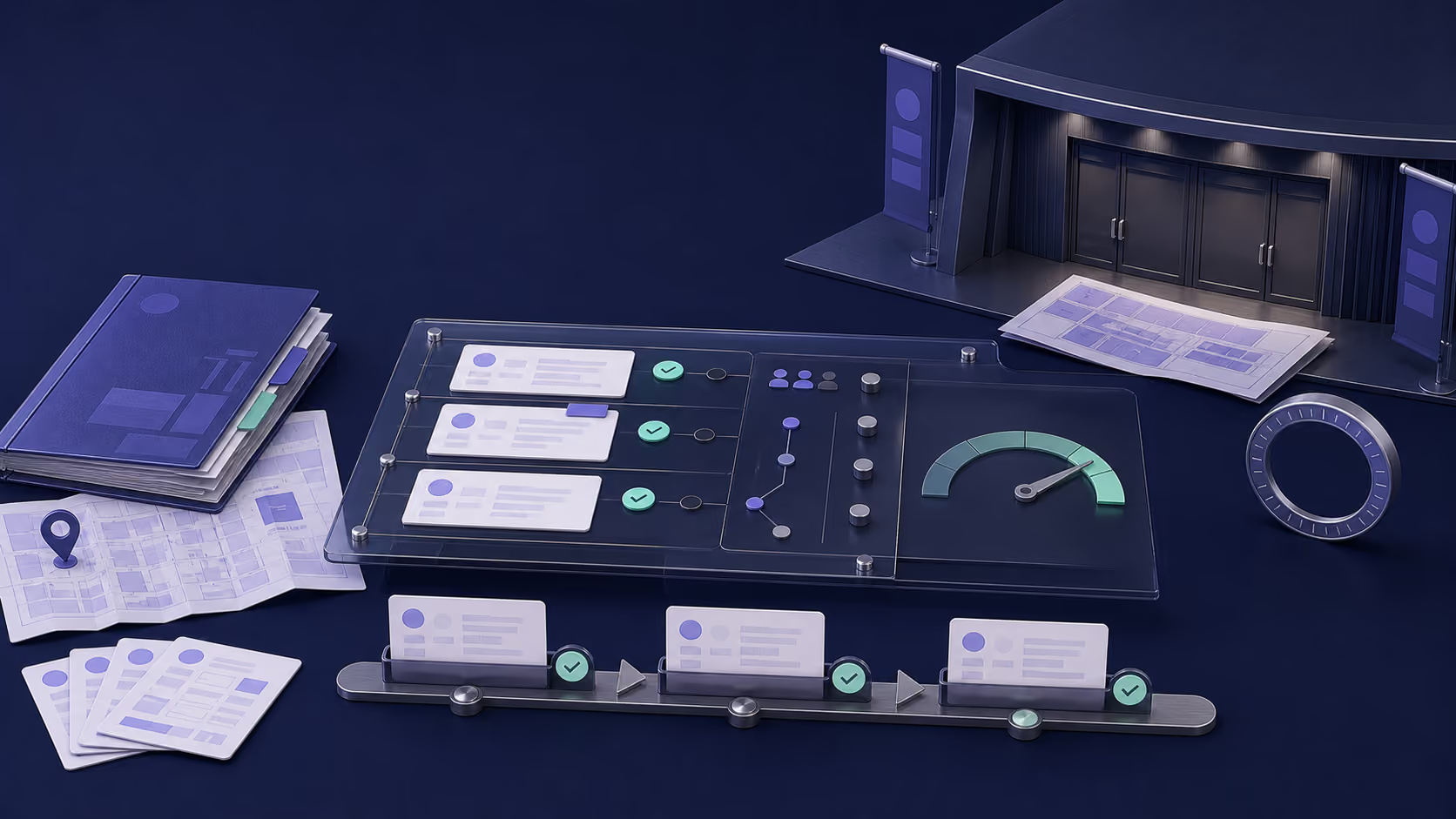
For B2B teams, the real advantage comes before the event. Know who will be there, rank the accounts, start outreach early, and make every conversation easier to follow up.


.avif)