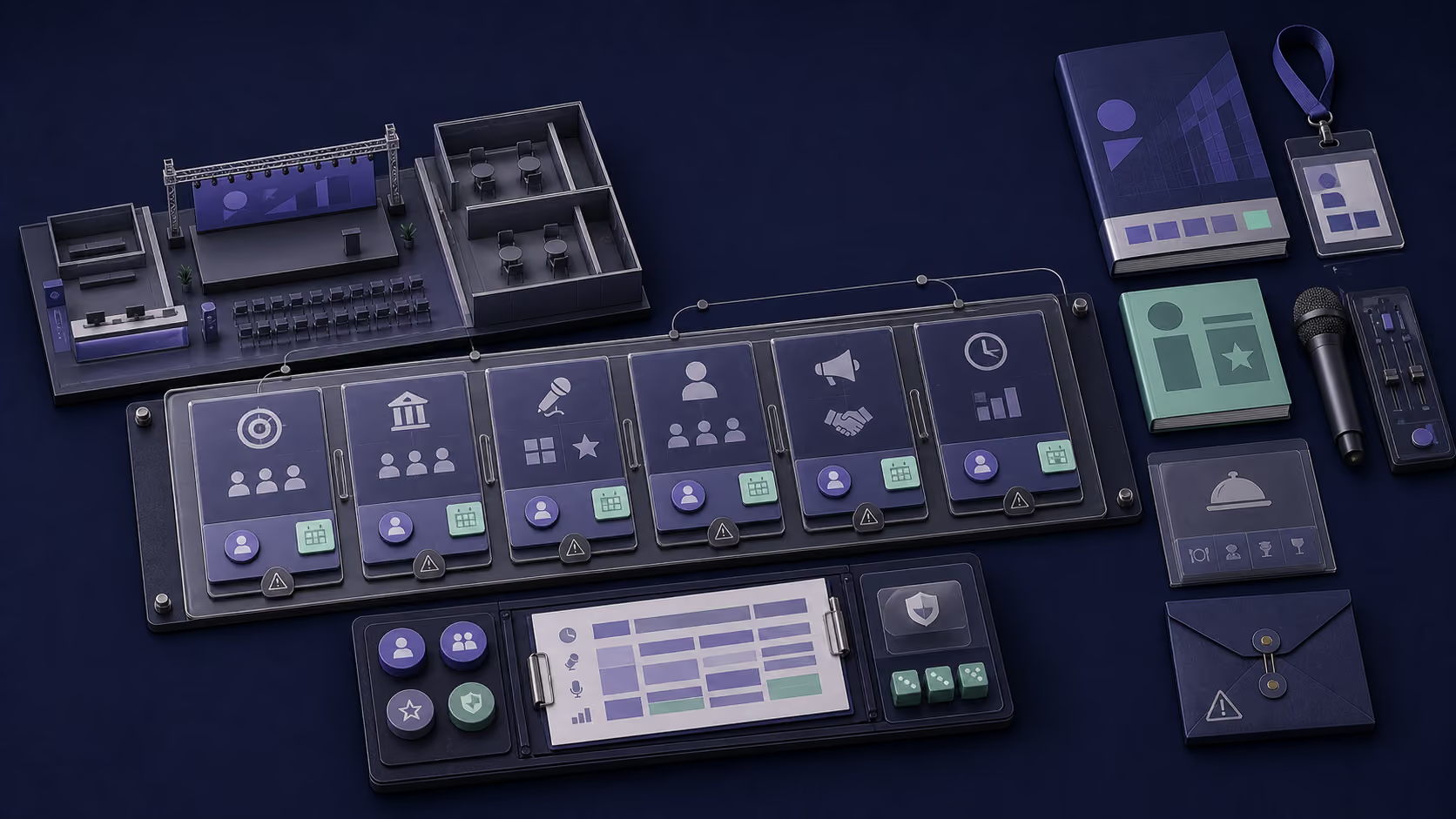
This conference planning guide gives you the full sequence: goal, audience, budget, venue, speakers, registration, outreach, event-day operations, and follow-up.
TL;DR
- Start with one measurable goal before booking the venue.
- Build your conference planning timeline backward from event day.
- Track owners, deadlines, budget, vendors, risks, and follow-up in one place.
- For B2B conferences, research target accounts before the event so meetings are booked early.
What Is Conference Planning?
Conference planning is the process of turning a business, education, networking, or community goal into a live event people can attend without confusion. It covers strategy, budget, venue, agenda, speakers, registration, marketing, operations, and post-event reporting.
If you need the event-format basics first, start with Lensmor's guide on what a conference is. This article focuses on planning the conference once the format is clear.
Conference planning definition
Conference planning means deciding what the event must achieve, then coordinating the people, spaces, vendors, content, systems, and follow-up needed to make that outcome happen.
Conference planning vs event planning
Event planning is the broader category. Conference planning is more session-heavy. You have speakers, breakouts, registration flows, attendee communication, sponsors, networking blocks, and often multiple rooms running at the same time.
Why conference planning fails late
Most conferences do not fail because the team missed one detail. They fail because decisions were made in the wrong order. The venue was booked before the goal was clear. Speakers were confirmed before the audience was defined. Marketing started before the agenda was worth promoting.
Practical next step: Add the commercial plan before the logistics take over. Lensmor helps teams discover relevant events, prioritize target accounts, and prepare enriched outreach lists alongside the conference timeline. Add pre-event account intelligence to your plan.
Conference Planning Timeline: 12 Months to Event Day

The larger the conference, the earlier you need to start. A small workshop can be planned in weeks. A multi-track conference usually needs months.
| Timing | What to Decide | Output |
|---|---|---|
| 12 to 9 months | Goal, audience, budget, venue, team | Approved plan and owned timeline |
| 6 to 3 months | Speakers, agenda, registration, sponsors | Public agenda and registration flow |
| Final 30 days | Run of show, staffing, AV, catering, reminders | Event-day command plan |
12 to 9 months out: goals, venue, team and budget
Write one clear goal first. It might be 300 qualified attendees, 40 sponsor meetings, 100 demo requests, or a 90 percent satisfaction score. Then set the budget, choose the team, and shortlist venues.
6 to 3 months out: speakers, agenda, sponsors and registration
This is where the conference becomes real. Confirm speakers, write session titles, open registration, build sponsor packages, and start the promotion calendar.
Pro Tip: Set your internal deadline before the vendor deadline. If the venue needs final room layouts by June 15, your team deadline is June 10.
Final 30 days: logistics, run of show and staff briefing
The last month is about removing ambiguity. Confirm every vendor, room, speaker, meal time, check-in flow, emergency contact, and staff role.
Conference Planning Checklist
A good conference planning checklist is not a random task dump. It should show what needs to happen, who owns it, when it is due, and what decision it supports.
Define the goal and audience
Name the audience before building the agenda. Executives, operators, customers, prospects, partners, and students all need different programming.
Assign owners and decision rights
Every workstream needs an owner: venue, budget, programming, speakers, registration, sponsors, marketing, vendors, attendee support, and post-event reporting. Decide who can approve changes before the final week gets messy.
Build the run of show and contingency plan
The run of show is the minute-by-minute event script. Include room changes, speaker timing, AV cues, meal breaks, registration shifts, sponsor commitments, and backup plans.
For a broader planning checklist, Lensmor's event planning tips cover the habits that keep teams from scrambling late.
Budget, Venue and Vendor Decisions
Budget and venue choices shape the entire conference. If either is wrong, the rest of the plan gets harder.
Build the conference budget
Your budget should include venue, catering, AV, speaker fees, travel, signage, event tech, insurance, staffing, marketing, and contingency. Do not hide staff time. It is part of the real cost.
Use event budget planning before signing contracts, especially when catering, AV, and venue labor are bundled.
Choose the venue by attendee experience
Capacity is only the start. Check transit access, parking, room flow, breakout spaces, Wi-Fi, accessibility, load-in rules, signage options, and where attendees will gather between sessions.
Confirm vendors, AV, catering and security
Put every vendor in one sheet with contact details, backup contacts, deliverables, arrival times, payment terms, and cancellation rules. Confirm in writing. Twice.
Agenda, Speakers, Registration and Attendee Experience
The agenda is the product your attendees came for. The logistics decide whether they can enjoy it.
Design the agenda around attendee goals
Start with what attendees need to leave with. Then decide the mix of keynotes, panels, workshops, networking, sponsor sessions, and breaks.
Manage speakers before they become a bottleneck
Speakers need dates, session titles, abstract deadlines, slide requirements, AV needs, arrival times, and rehearsal expectations. Do not wait until the week before.
Make registration and check-in boring in the best way
Check-in should be fast and forgettable. Test it as an attendee: confirmation email, QR code, badge pickup, help desk, Wi-Fi instructions, and first-session directions.
Pro Tip: Walk the attendee path from entrance to first session. The problems you see in that walk are the problems attendees will feel.
Conference Marketing and Pre-Event Outreach
Conference marketing should start before the agenda is fully finished. You need enough lead time to build awareness, recruit sponsors, and convert interested people into registered attendees.
Build the conference marketing calendar
Plan email, speaker announcements, sponsor posts, partner promotion, paid campaigns, social clips, attendee reminders, and final logistics emails. Lensmor's guide to event marketing strategies can help shape the campaign.
Research attendees, sponsors and exhibitors before the event
For B2B teams, conference planning should include account research. Look at attendees, sponsors, exhibitors, speakers, and partner companies to find the accounts your sales or BD team should meet.
If your conference plan includes sponsor, exhibitor, or attendee outreach, you can start with Lensmor to identify the accounts worth contacting before the event opens.
Book meetings before the conference opens
Do not wait for chance conversations. Reach out two to four weeks before the event with a clear reason to meet. For attendee-side networking, this guide on how to network at a conference gives a useful playbook.
On-Site Execution and Post-Conference Follow-Up
Event day is easier when decisions have already been made. The team's job is to run the plan, handle exceptions, and capture what matters.
Run registration, rooms and vendors from one command point
Use one command point for decisions. If the AV team, catering lead, volunteer captain, and speaker manager all escalate to different people, small problems become public ones.
Capture feedback and lead context while it is fresh
Collect attendee feedback, speaker notes, sponsor issues, sales conversations, and meeting outcomes during the event. Do not rely on memory after everyone travels home.
Pro Tip: Segment leads and meeting notes before the team leaves the venue. Hot follow-up, nurture, partner, customer, and no-action contacts should not sit in one mixed spreadsheet.
To turn conference research into target accounts, contact discovery, and follow-up context, use Lensmor before your next conference.
Report on outcomes, not activity
After the conference, report against the original goal: registrations, attendance, satisfaction, meetings, qualified leads, pipeline, sponsor renewals, and closed revenue. For revenue-focused events, use how to measure event ROI as your reporting baseline.
Conference Planning Template: What to Track
A conference planning template should make status obvious. If a stakeholder has to ask where something stands, the template is not doing its job.
| Field | Why It Matters | Example |
|---|---|---|
| Owner | Prevents unclear responsibility | Speaker lead |
| Deadline | Keeps work ahead of vendor cutoffs | Final AV list due May 20 |
| Risk | Makes backup plans visible | Keynote travel delay |
Timeline, owner and status fields
Track task, owner, status, deadline, dependency, vendor contact, and final approval. These fields keep the planning team honest.
Budget, risk and follow-up fields
Track estimated cost, actual cost, risk level, backup plan, lead source, meeting owner, and next step. This is where conference planning connects to business results.
Conclusion
Conference planning is sequencing. Set the goal first, then build the timeline, budget, venue plan, agenda, outreach, event-day process, and follow-up around it.
The best conference feels smooth because the hard decisions were made early. The audience knows where to go. Speakers know what to do. Vendors know the plan. Sales knows who to meet. Follow-up starts while the event is still fresh.