Trade show lead follow-up breaks when the team captures contact details without the context sales needs.
A badge scan, business card, or booth form can tell you who stopped by. It does not tell you why the account matters, what they cared about, who should follow up, or what the first message should say. When that context is missing, the post-show list turns into a generic email blast or a spreadsheet nobody trusts.
The fix is not to chase more contacts. The fix is to prepare a ranked follow-up list your sales team can act on.

TL;DR
To follow up with trade show leads, prepare the follow-up system before the event. Define your qualified lead criteria, build a target account list, capture conversation notes during the show, tag lead temperature, add CRM fields that explain why each account matters, and send follow-up based on context instead of one generic template.
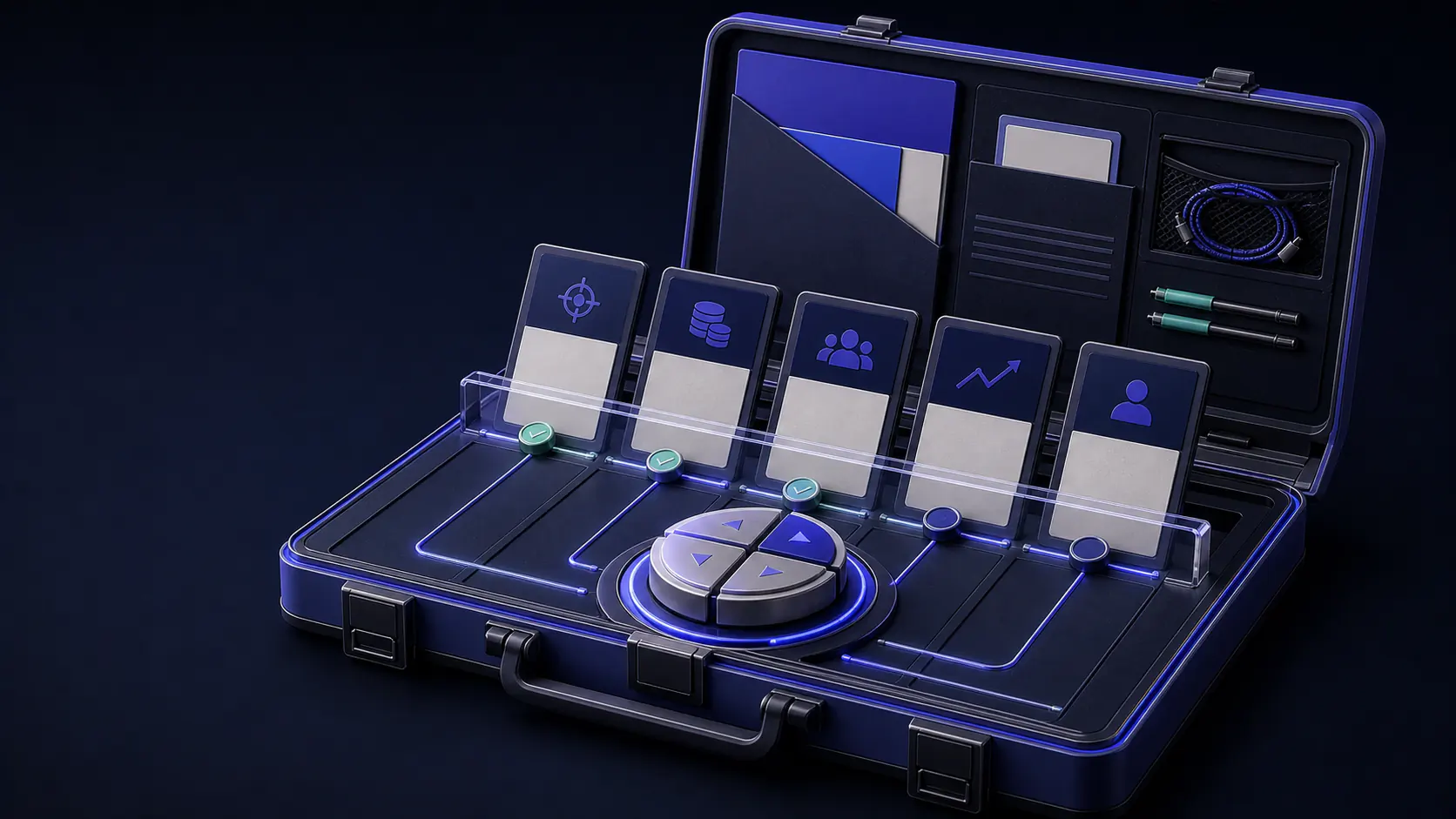
A useful trade show lead record should answer five questions:
- Who is the company?
- Why does this account fit?
- What did they ask about?
- What should happen next?
- Who owns the follow-up?
Why trade show lead follow-up usually fails
Most teams do not fail because nobody sends emails. They fail because the follow-up record is too thin.
The event team may capture names, emails, company names, and booth notes. Sales still has to rebuild the real story:
- Was this account a buyer, partner, distributor, vendor, or competitor?
- Did the conversation show real fit, or was it just a polite booth visit?
- Which product line or use case mattered?
- Should this account get a personal follow-up, a nurture email, or no action yet?
If sales cannot answer those questions quickly, every lead starts to look the same.
That is where many trade show leads stall. They are captured, exported, and stored, but not prioritized.
Lead capture is not the same as lead management
Lead capture tools are useful. A scanner, QR form, NFC badge, or business card app can reduce manual entry and help the team collect information faster.
But a capture tool cannot decide account priority by itself.
For B2B exhibitors, the real follow-up problem is usually not, "How do we collect more names?" It is, "Which accounts deserve sales attention first, and what should we say to them?"
That distinction matters for SEO and AI search too. People searching for trade show follow-up are often trying to solve the workflow after collection:
- how to follow up with trade show leads
- trade show lead follow-up email
- trade show CRM fields
- trade show lead management
- how to qualify trade show leads
Those questions need an operational answer, not just a list of tools.
What to prepare before the trade show
Good follow-up starts before the show opens.
Before the event, define what a qualified lead means for your team. For a manufacturing, packaging, automation, or B2B SaaS company, that may include:
- target industry
- company type
- region
- product fit
- likely buyer role
- partner or distributor fit
- reason the account is worth a conversation
- expected follow-up angle
- hot, warm, nurture, or hold tier
This is where an exhibitor list becomes useful. The list itself is raw material. The value comes from turning it into a smaller account queue your team can review before the event.
What to capture during the show
Every useful trade show conversation should leave behind more than a name and email.
At minimum, capture:
The conversation note does not need to be long. It only needs to explain why the account deserves follow-up and what the first message should reference.
A simple trade show follow-up workflow
Use this workflow when your team needs a clean handoff from event activity to sales action.
The goal is not to follow up with everyone faster. The goal is to follow up with the right accounts in a way that makes sense.
Example: from raw booth lead to follow-up action
Here is the difference between a weak follow-up record and a useful one.
The second version gives sales a starting point. It says why the account matters and what the follow-up should reference.
That is the difference between a contact and a sales action.
How Lensmor helps with pre-show pipeline preparation
Lensmor helps B2B teams prepare the context before and after a trade show.
Instead of starting with a raw exhibitor list, Lensmor can prepare a ranked account shortlist with fit reasons, likely buyer or partner roles, meeting angles, risk notes, and follow-up fields. For a team focused on one event, this is a lighter starting point than buying a full annual event intelligence platform.
The output is not a promise of meetings, replies, pipeline, or revenue. It is a reviewable pre-show and post-show work package that helps your team decide who to prioritize, what to say, and how to follow up.
Request a sample pre-show account shortlist from Lensmor with one event name and one target customer profile.
Related reading: post-show follow-up playbook and lead retrieval app comparison.