Before a trade show, most teams end up with the same mess.
They have a list of names, a few LinkedIn profiles, maybe some phone numbers, and a rep asking the obvious question: who should I contact first?
That is where pre-show outreach usually slows down.
Not because the team has zero data. Because the team still has to sort the list, pick the channel, and write the first message at the same time.
Short answer
The best pre-show outreach list is not the biggest list.
It is the one your team can use right away.
That usually means three things: rank warmer contacts higher, use direct phone paths where they exist, and give reps a usable first-message draft instead of a blank screen. The goal is not more names. The goal is faster first action.
Why most pre-show contact lists underperform
A typical event list mixes together:
When those all sit in one sheet, sales gets stuck.
The rep has to answer three questions before sending anything:
If the list cannot answer those questions, the team usually falls back to generic email-first outreach.
That is slow, and it sounds slow.
Warm signals beat long lists
Not every contact deserves the same place in the queue.
Before the event, recent activity matters because it helps your team separate contacts that look live from contacts that only exist on paper.
Warmth does not guarantee a reply.
It gives your team a better reason to prioritize one person before another.
In practice, that often means moving contacts with visible LinkedIn activity or fresher engagement signals higher in the first wave, instead of burying them inside a larger export.
Why phone paths change the workflow
Phone access changes more than channel choice.
It changes speed.
When a strong-fit contact has a direct phone path, the team does not need to wait for an email thread to warm up before testing interest. That matters in the final weeks before a show, when meeting windows are limited and timing gets tighter every day.
Phone-first is not always the right move.
But when a contact is warm, the role fit is clear, and your team knows why the account matters, a phone path can reduce the lag between research and first touch.
Message readiness matters more than teams admit
Even good lists stall out when reps still have to invent the first message from zero.
That is where a lot of delay hides.
The account may be right. The role may be right. The contact path may be clear. But if the rep still needs ten minutes to figure out the angle, the first wave slows down.
A usable first-message draft fixes that gap.
It does not replace judgment.
It gives the rep a practical starting point with:
That is usually enough to turn review mode into action mode.
A simple way to prioritize trade show contacts
You do not need a complex scoring model to start.
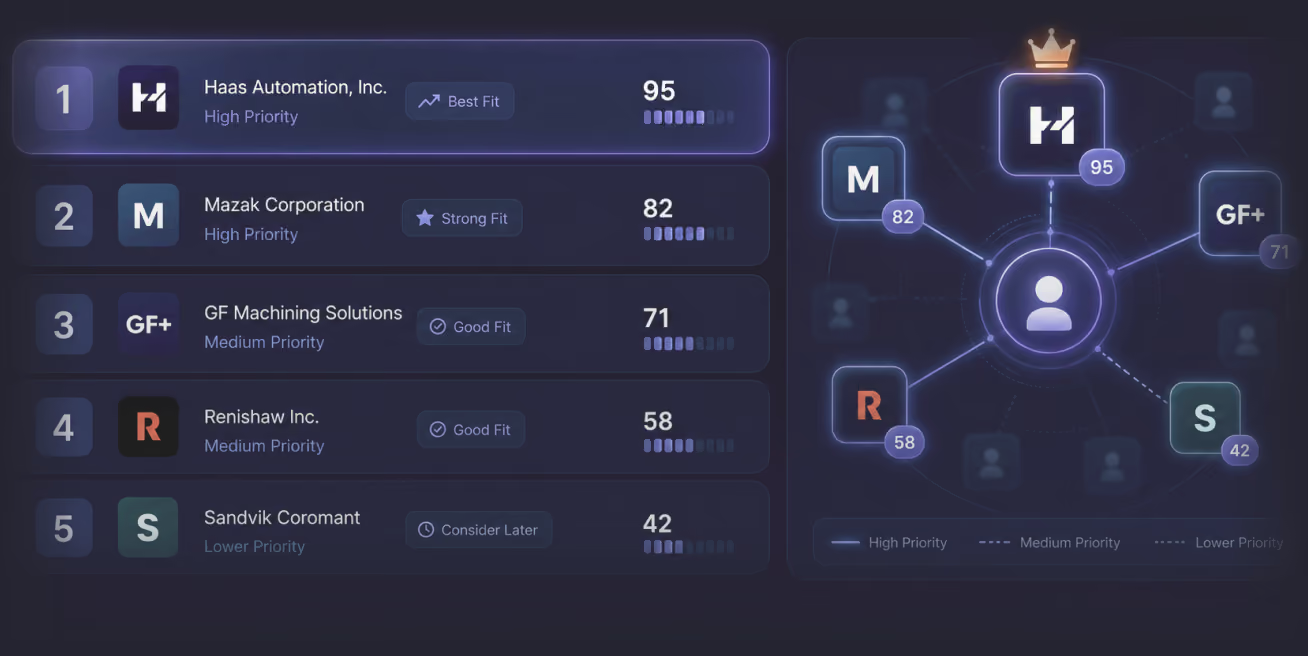
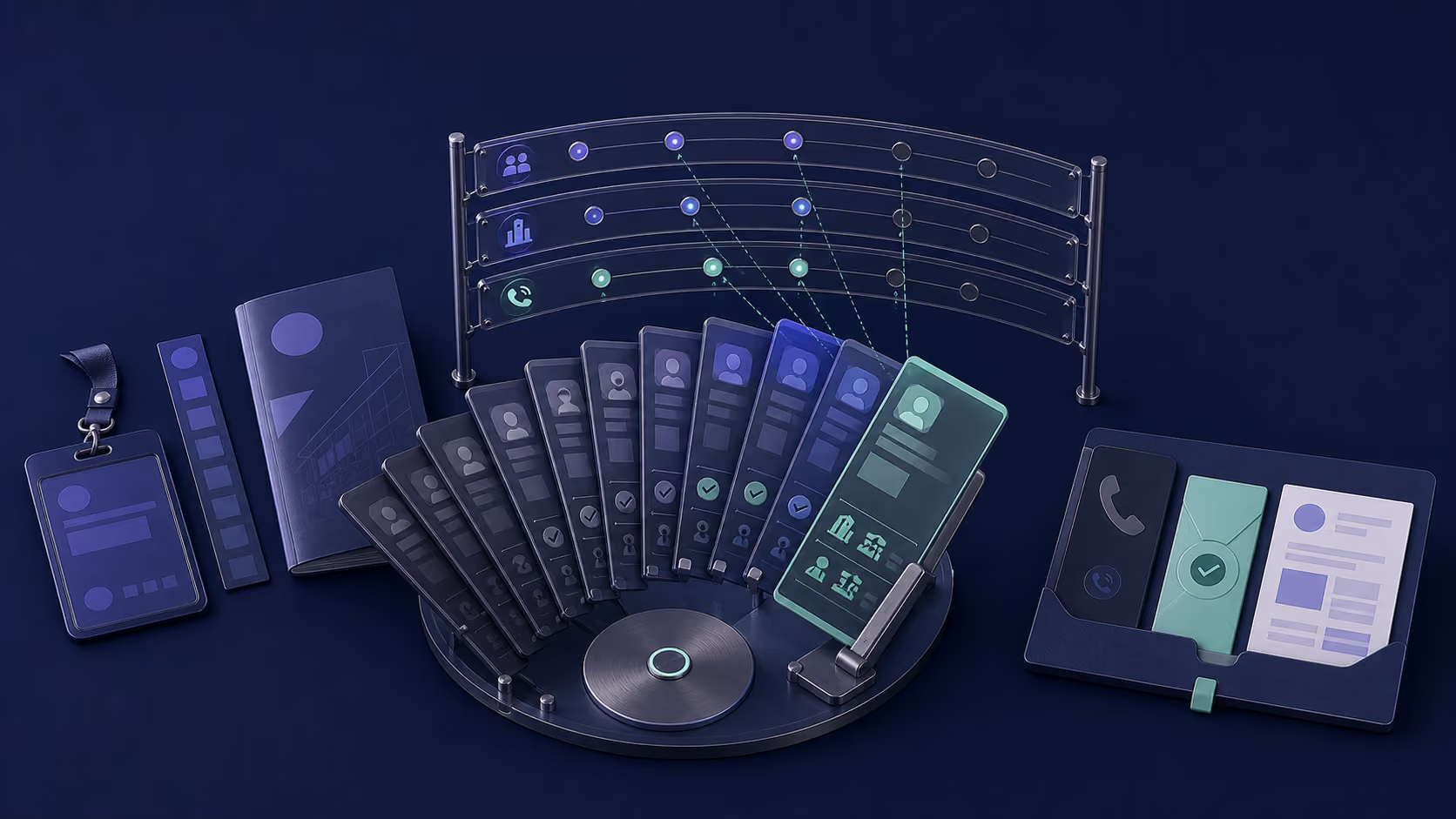
Use a three-layer queue.
Tier 1: Warm activity + direct phone + clear fit
This is the fastest action tier.
The role is relevant, the account matches the lane you care about, and the contact has both signal strength and a direct path. This is where phone-first or immediate first-touch testing usually makes sense.
Tier 2: Warm activity + LinkedIn path + strong account fit
These contacts still matter, but the path is lighter.
The team may start with LinkedIn review, a short message, or another lower-friction touch before escalating to email or call.
Tier 3: Strong account fit, weak contact readiness
The account may still belong in the event plan, but the contact layer is not ready yet.
This is where the team should verify role, confirm the route, or hold until there is a stronger reason to act.
What a useful pre-show outreach list should include
The list should do more than store names.
It should show the action order.
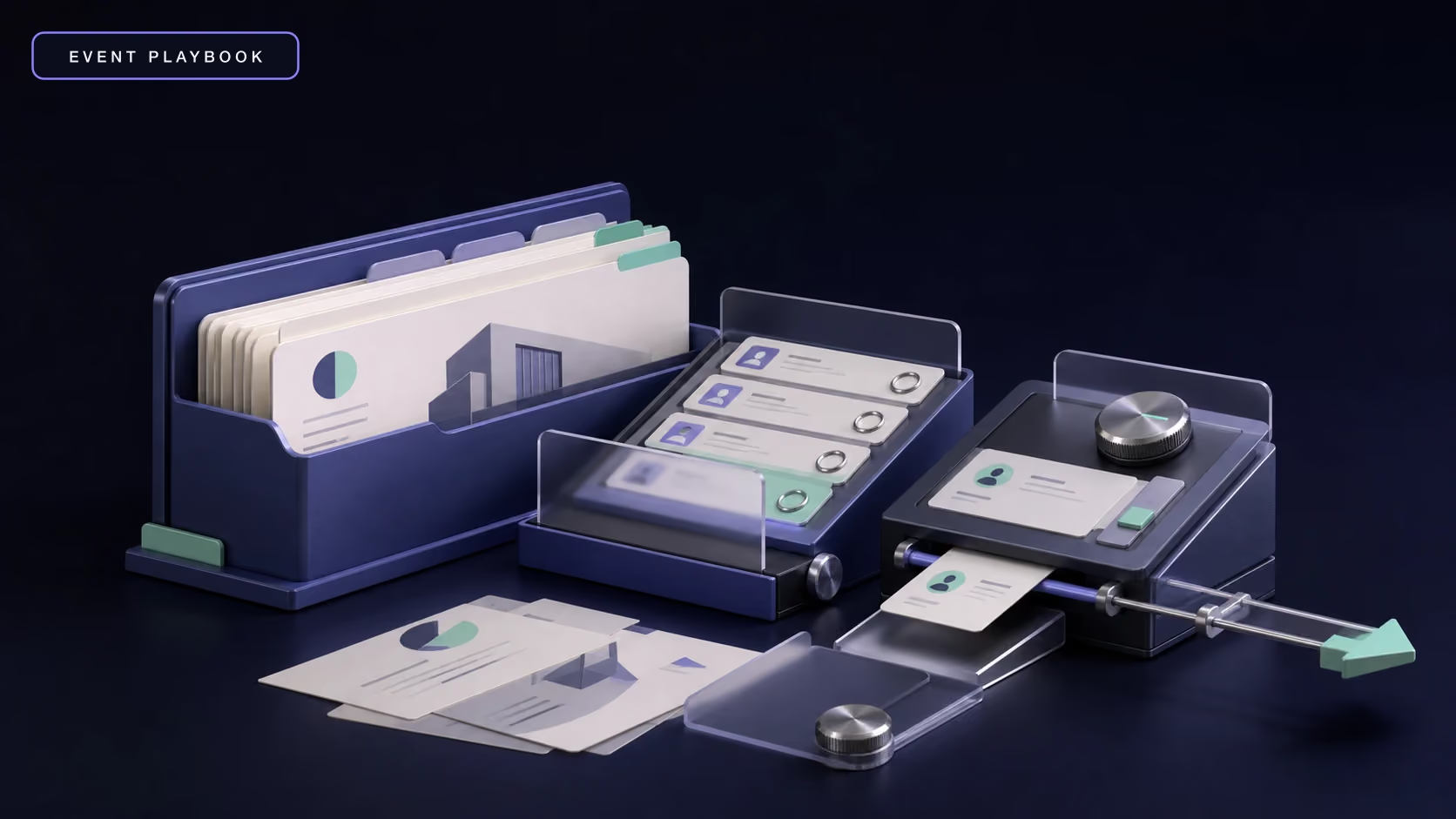
FieldWhy it mattersCompanyKeeps the row tied to a real accountContact or roleShows who the team is trying to reachMatch or fit noteExplains why the account belongs in the queueWarm activity noteHelps prioritize live-looking contacts firstPhone pathShows whether direct outreach is realisticLinkedIn pathGives a backup route when phone or email is weakerMessage draftRemoves first-touch delayNext-step recommendationCall, email, LinkedIn, verify first, or hold
Without those fields, the list is still closer to research than execution.
When phone-first beats email-first
Phone-first usually works better when:
Email-first is still useful when:
The mistake is forcing one channel on every row.
The better move is to let readiness decide the channel.
What this looks like inside Lensmor
With Lensmor's updated contact workflow, the useful sequence is no longer just "find names."
The team can sort contacts by fit, review warmer activity signals, use direct phone or LinkedIn paths where available, and start from a first-touch message draft instead of a blank screen.
That changes the product story.
It moves Lensmor closer to execution-ready pre-show outreach, not just contact discovery.
The boundary stays the same:
What not to promise
These shortcuts make outreach content sound stronger than it is:
The cleaner claim is simpler.
Better sequencing improves the odds that sales acts faster and sounds more relevant before the event.
Where Lensmor fits
Lensmor is useful when your team already has too many event contacts and not enough execution order.
That can mean finding the warmer slice first, spotting direct phone paths, keeping LinkedIn as a practical backup route, and reducing first-touch delay with a usable message draft.
That is more valuable than another long list.
It is a better way to move from contact data to pre-show action.
Turn Your Event List Into a Sales Plan
Stop wasting pre-show weeks. Get your execution ready contact queue with ranked contacts and draft messages →
Try Lensmor Free
Related reading: pre-show meeting booking guide.