POUR LES AGENCES DE PERSONNEL ÉVÉNEMENTIEL

Trouvez de nouveaux clients pour votre agence de personnel événementiel.

Construisez une liste de développement commercial autour des événements que votre équipe peut couvrir. Lensmor aide les agences de personnel événementiel à trouver les exposants pertinents, à étudier leur adéquation et à identifier des contacts pour parler de leurs besoins sur place.

Commencez avec 2 000 crédits gratuits · Sans carte bancaire

Illustration architecturale d’exposants sélectionnés reliés à une liste de comptes
RECHERCHE ÉVÉNEMENTIELLE → SÉLECTION CIBLÉEAvant l’ouverture des portes
Trouvez les événements pertinents
Évaluez l’adéquation des comptes
Vérifiez les sources
Préparez des échanges utiles
VOTRE OPPORTUNITÉ

Un calendrier chargé ne fait pas un pipeline de clients qualifiés.

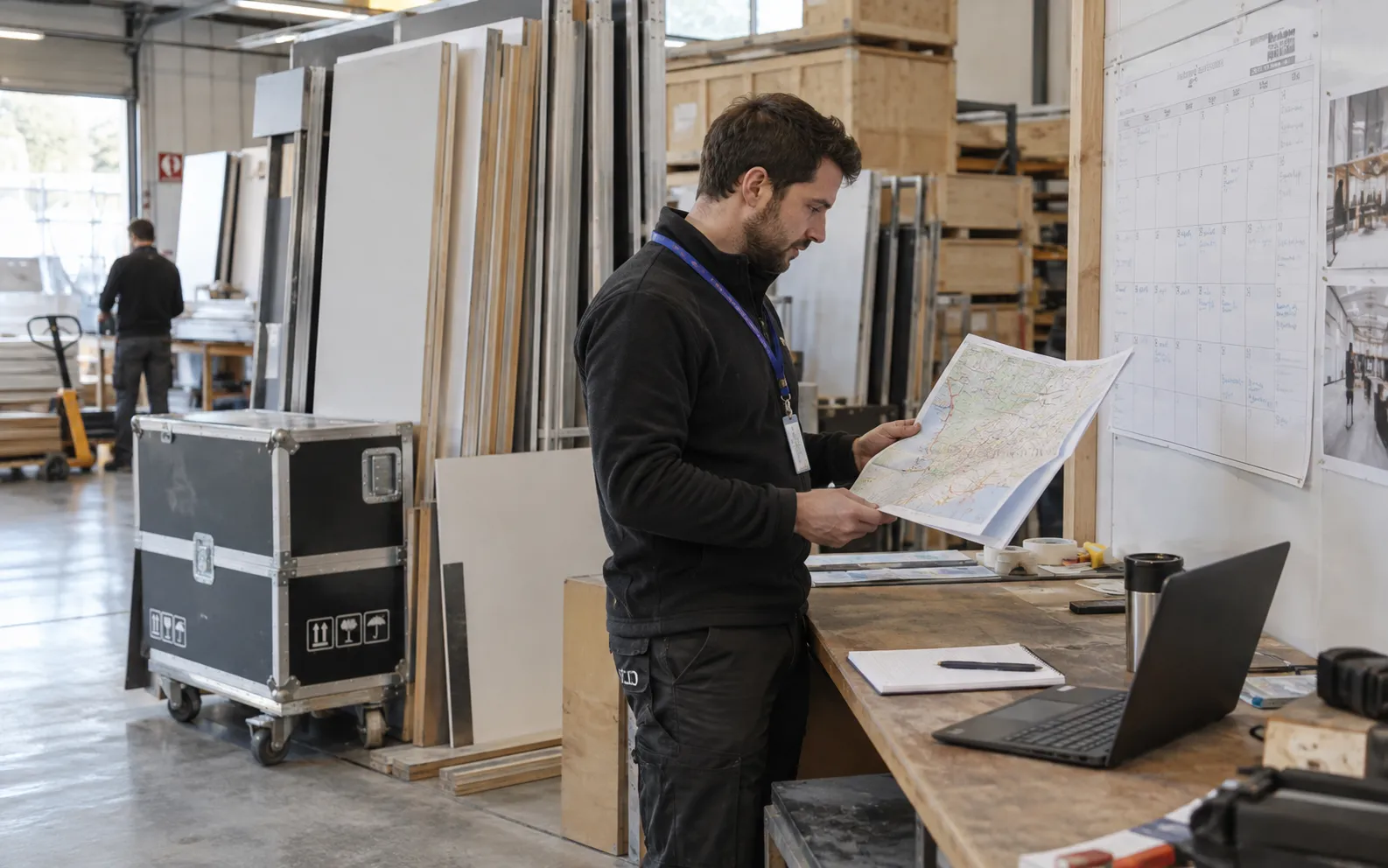
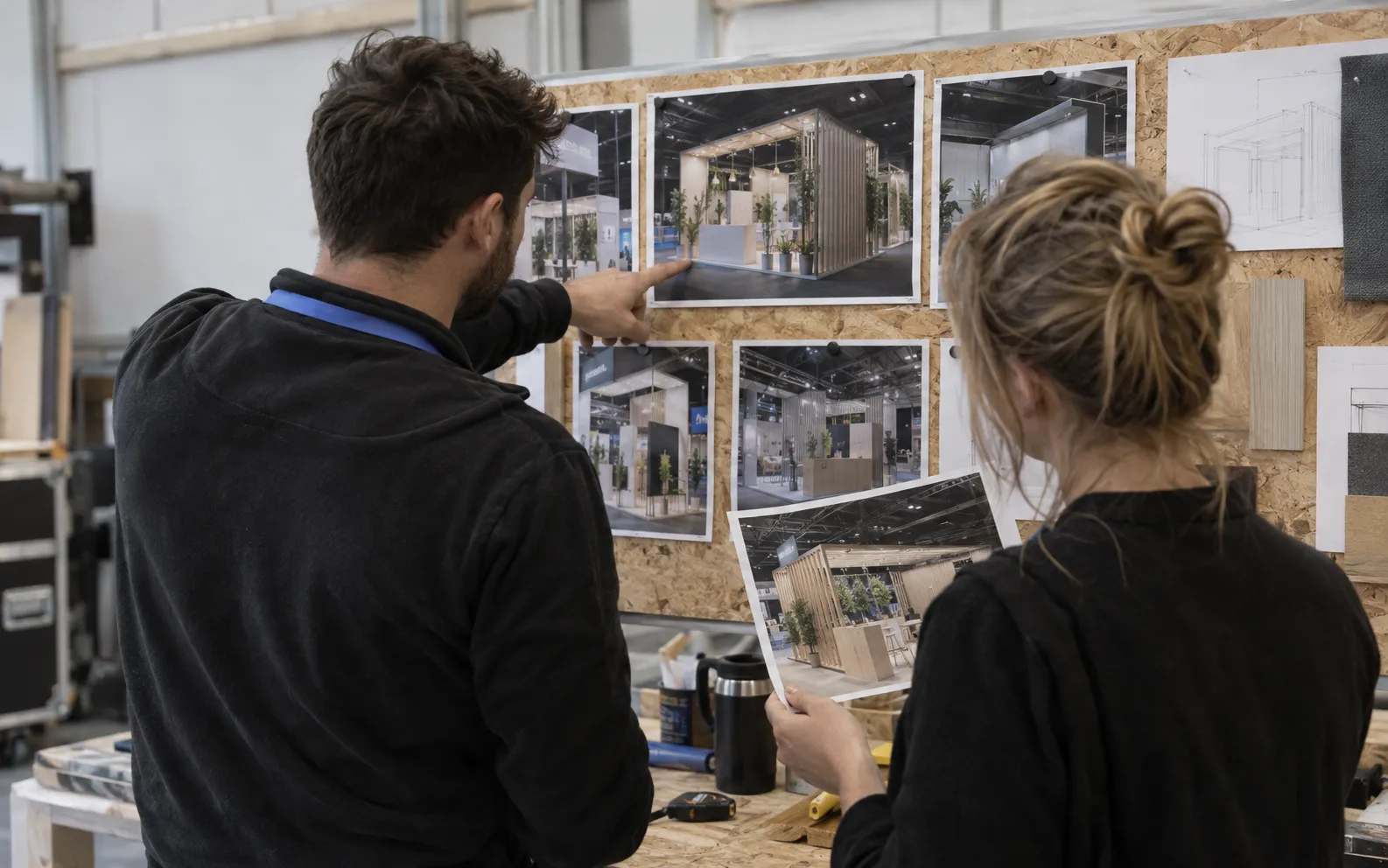
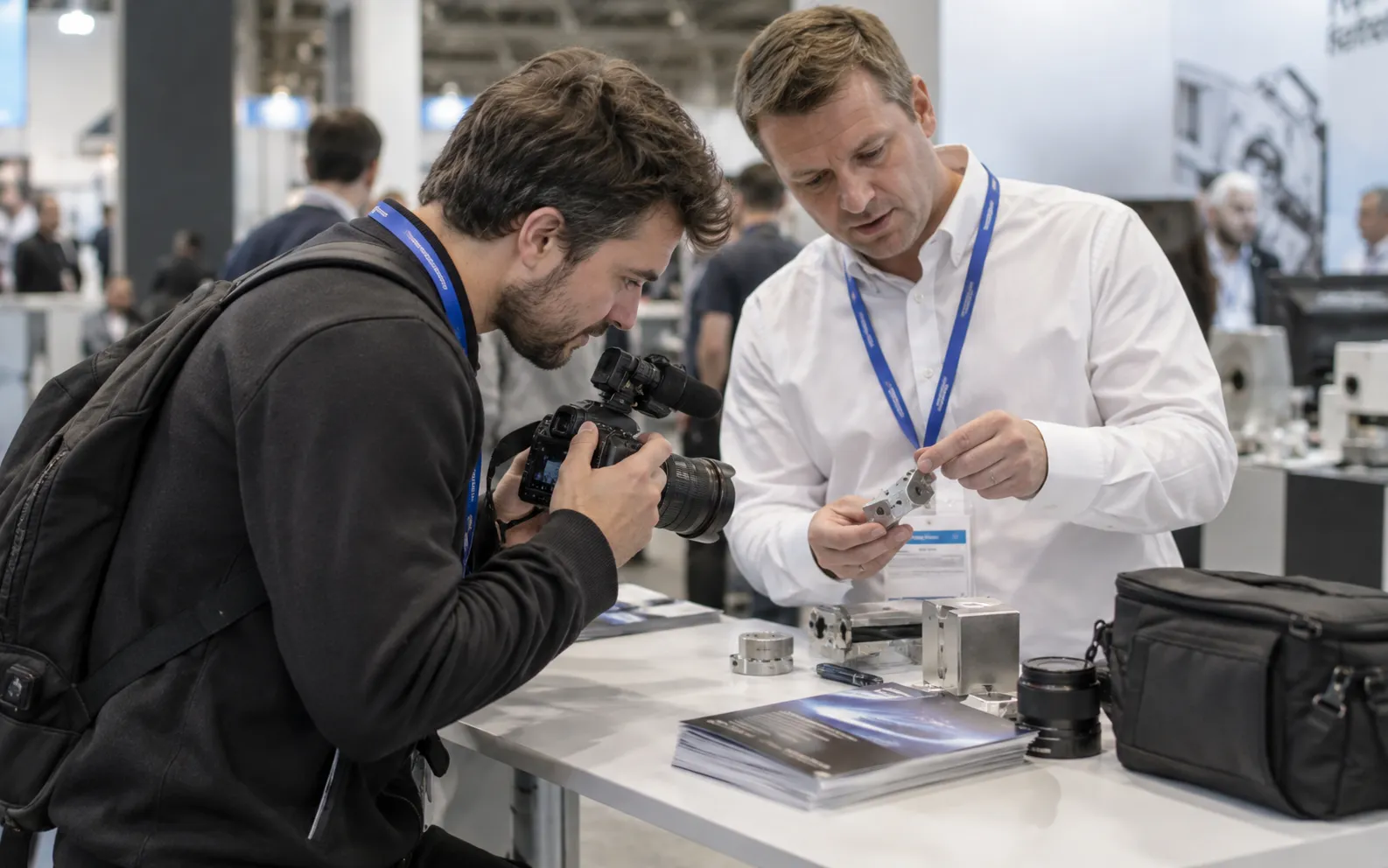
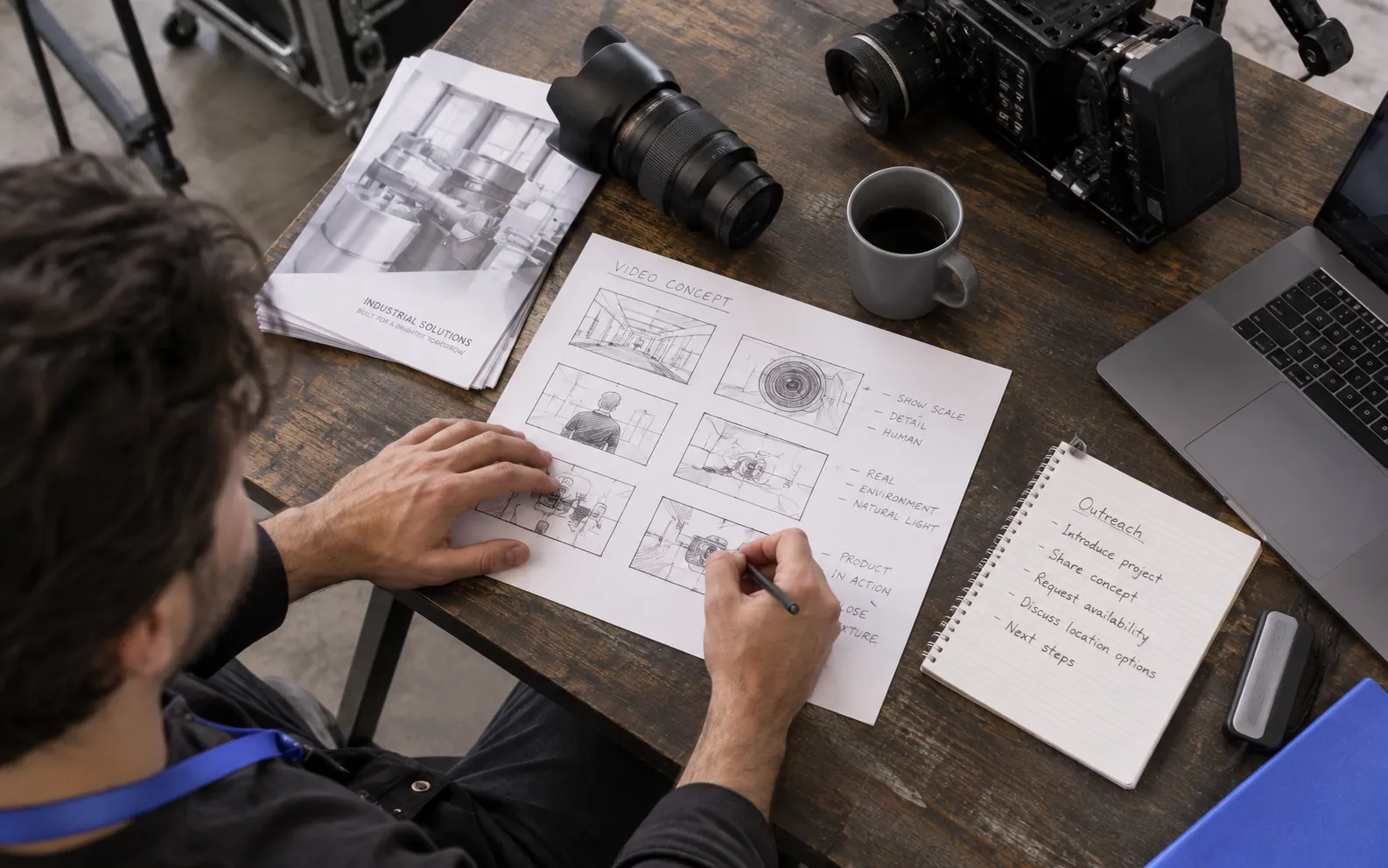
Illustration of a broad company directory narrowed to three researched accountsGenerated scenario: exhibitor colleagues researching companies at their trade-show standGenerated scenario: An exhibition services account director studies a late project brief beside rolled floorplans and equipment flight cases in a venue service officeGenerated scenario: An exhibit builder's business developer sorts an overly broad pile of show directories beside timber, fabric and laminate samples in a working design studioGenerated scenario: A small video studio producer researches an industrial exhibitor's product brochure beside camera lenses and a sketch storyboardGenerated scenario: A staffing operations manager checks a service-area map and staff availability sheets at a venue preparation desk, unbranded uniforms folded nearbyGenerated scenario: A procurement researcher compares a packaging requirements sheet with a thick supplier exhibition catalogue at a sourcing deskGenerated scenario: An exhibition organizer's commercial team studies a show floor model and adjacent-industry exhibitor catalogues at a venue office, looking beyond last year's exhibitor portfolioGenerated scenario: A B2B sales rep studies a broad printed exhibitor directory with a notebook at a stand meeting counter, considering which accounts deserve attentionGenerated scenario: A demand generation strategist defines a campaign audience on paper with a sales colleague, a printed industry event guide and company research spread on a planning deskGenerated scenario: A regional field marketer studies a physical city-region map with an account manager beside venue information sheetsGenerated scenario: An event marketing manager compares a busy printed exhibition calendar with company audience brochures at a planning table
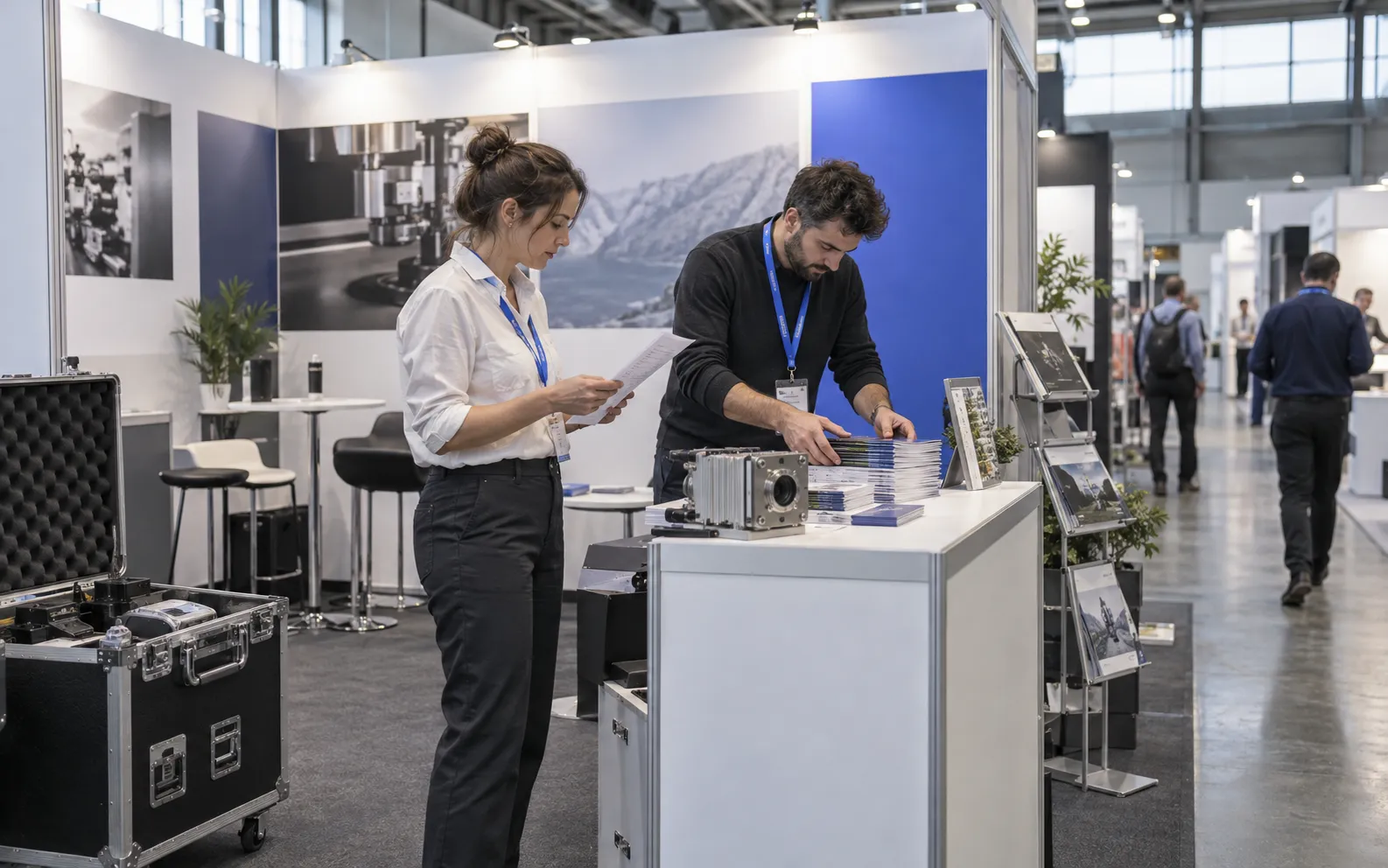
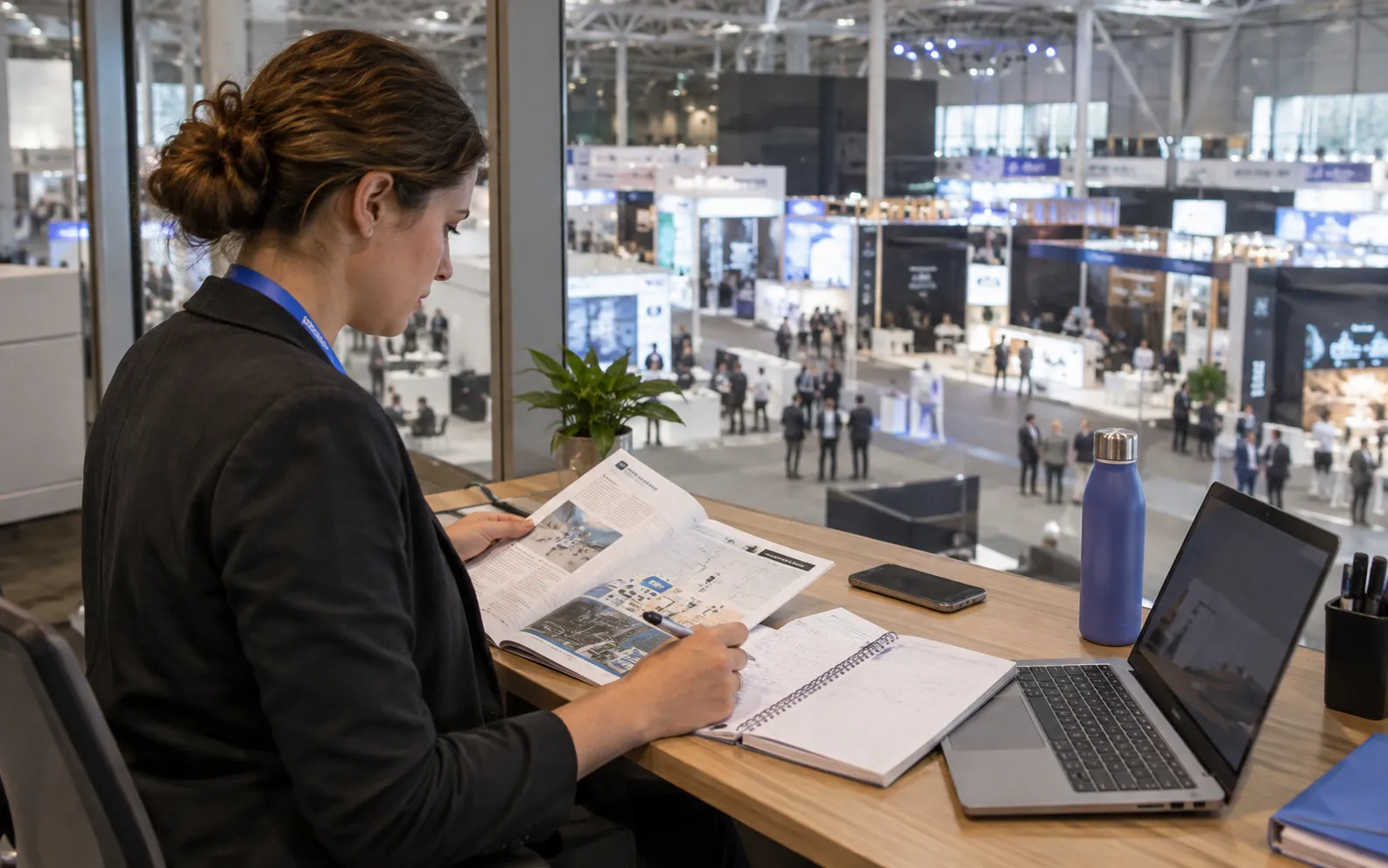
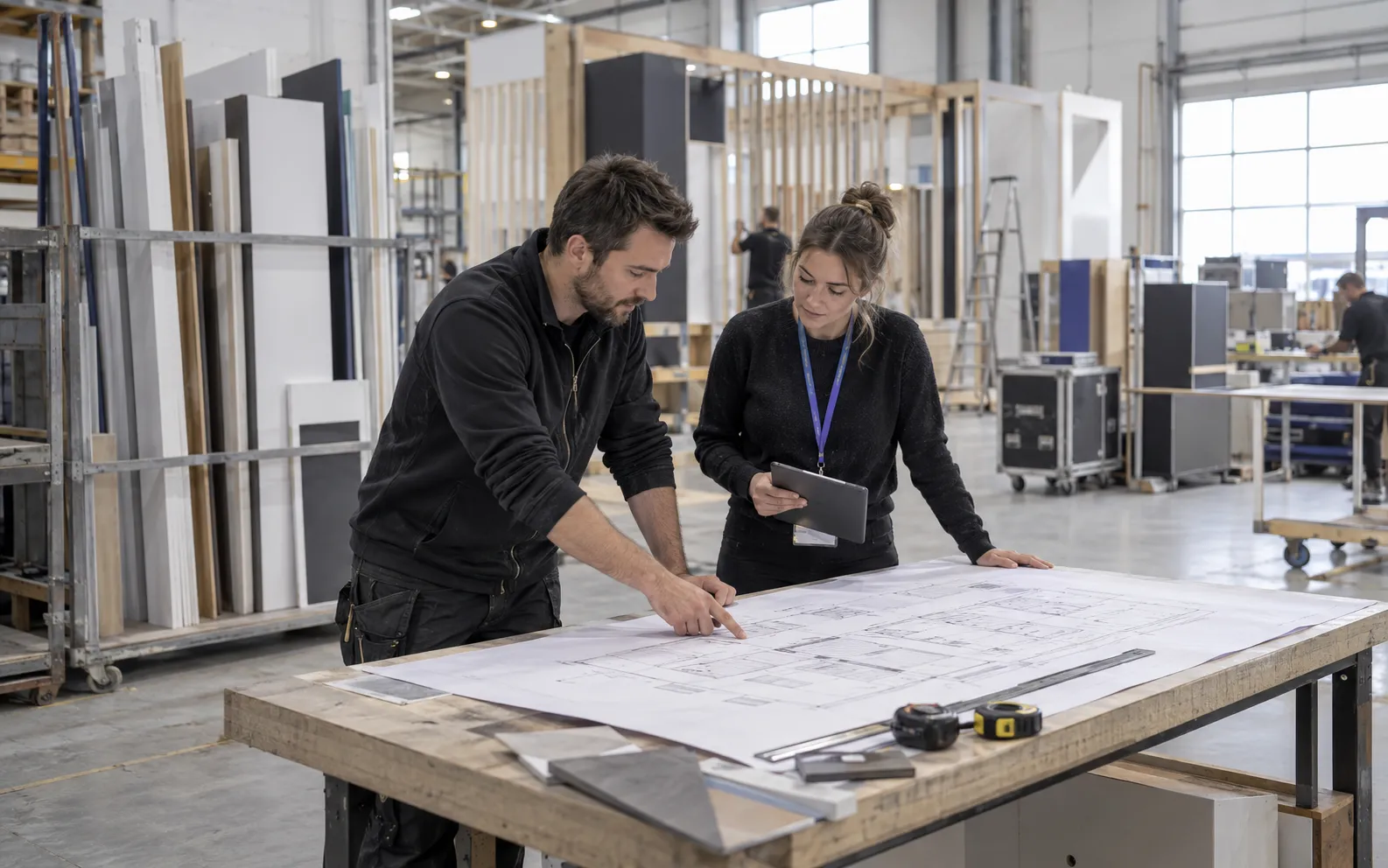
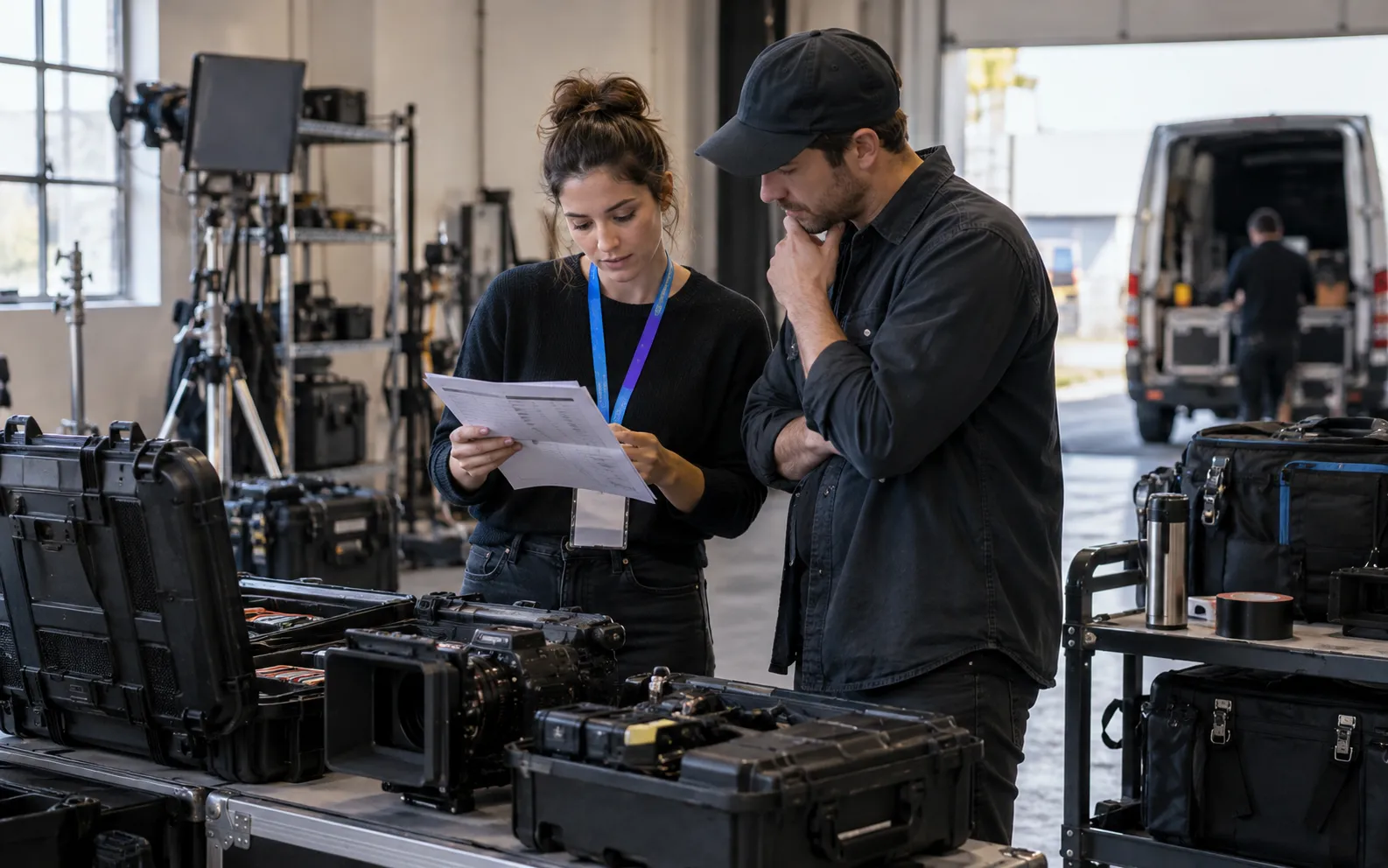
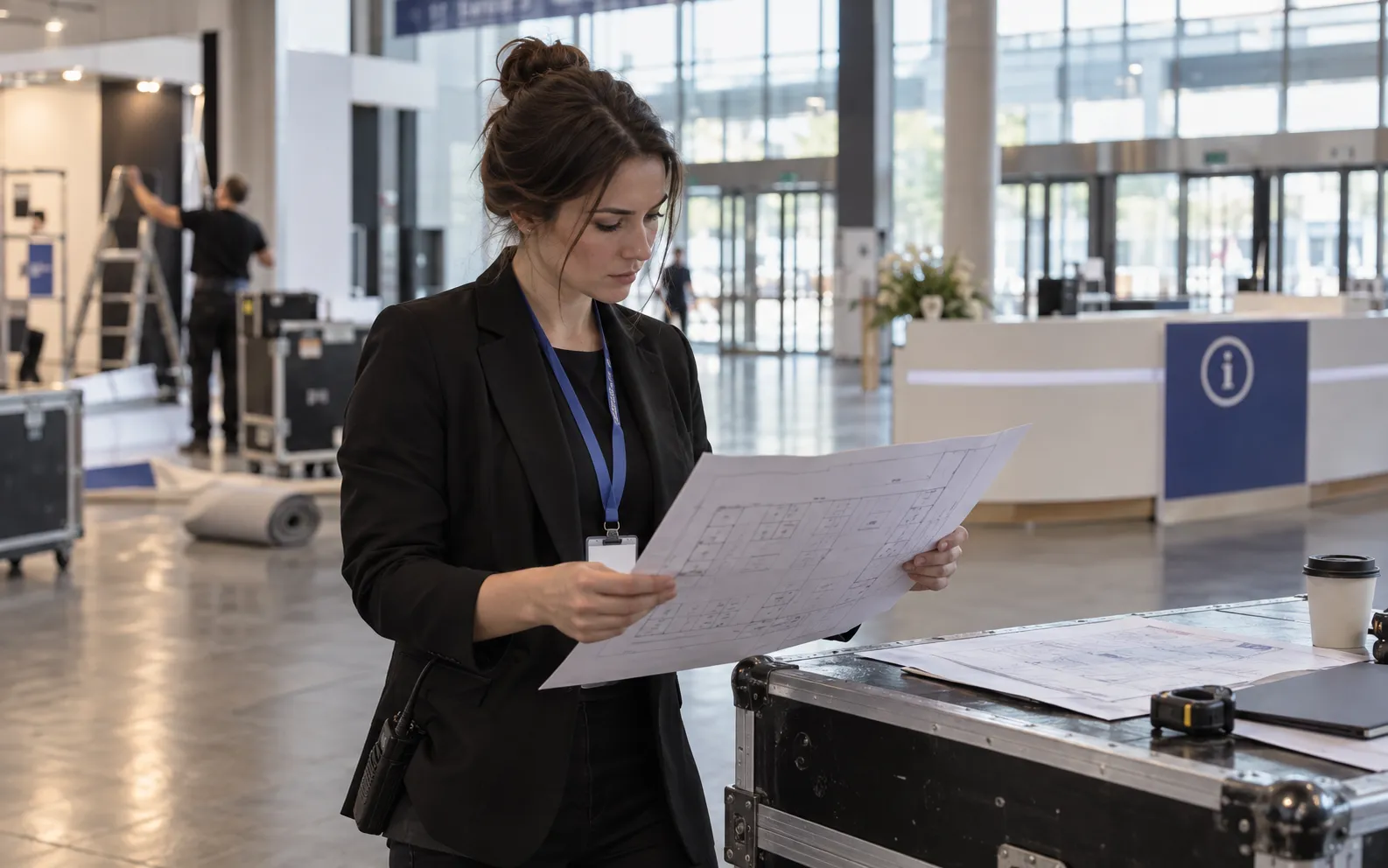
Illustration of trade show preparation with a booth, calendar and research documentsGenerated scenario: an exhibitor team preparing brochures and a demo unit before doors openGenerated scenario: A service provider researcher compares a printed exhibitor catalogue with venue scheduling notes at a desk overlooking a convention hallGenerated scenario: A stand designer and project lead review a freshly arrived floorplan brief while fabricated booth panels stand ready in the workshop behind themGenerated scenario: A producer and cinematographer check a shooting schedule on paper beside packed cinema camera cases in a practical studio before leaving for a trade showGenerated scenario: An agency coordinator studies an exhibitor's stand plan while the exhibition entrance is being prepared, reception counter and empty information point visible behindGenerated scenario: A buyer reviews several supplier brochures and a laptop at a trade-show lounge table, keeping the sources together in a research folderGenerated scenario: An organizer's account manager compares a prospective sponsor's product brochure with their own show's audience profile on paper, beside the glass overlooking a convention hallGenerated scenario: A sales rep reviews a company dossier with role notes beside a laptop while a colleague points to a product brochureGenerated scenario: A marketer sorts a broad pile of exhibitor profiles into a small relevant group at a table with product brochuresGenerated scenario: A field marketer checks an empty executive-dinner place setting against a research notebook before invitations go outGenerated scenario: An event marketer studies a printed exhibitor directory alongside an unfinished campaign brief in a booth planning office
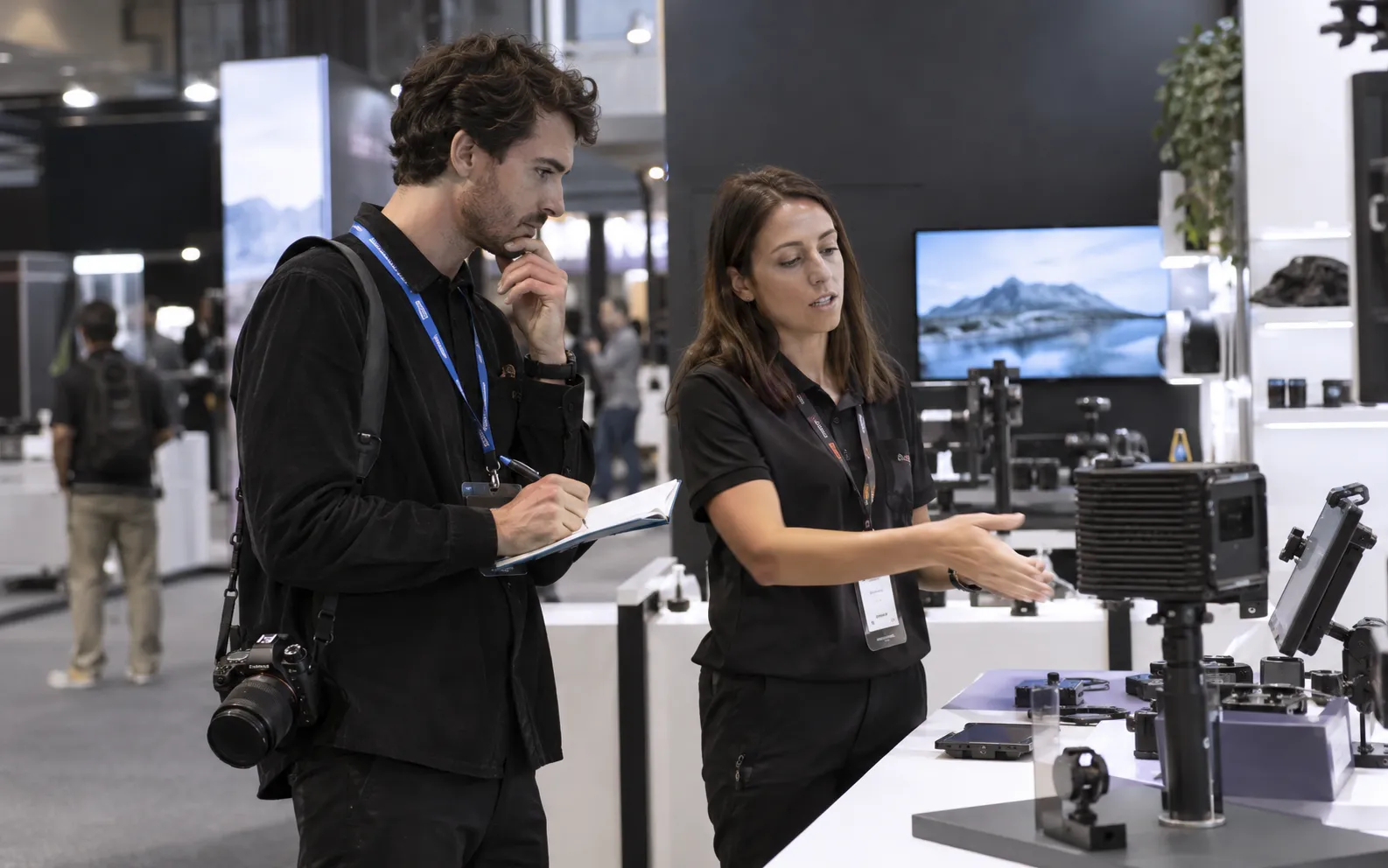
Illustration of two people connected by relevant event contextGenerated scenario: a visitor and exhibitor discussing a product sample with relevant company contextGenerated scenario: Two agency colleagues check a large physical regional map, a venue calendar and available crew notes on a worktable, considering which exhibitions they can realistically serveGenerated scenario: A booth builder talks through a plain floorplan and a small physical architectural stand model with a marketing managerGenerated scenario: A film director researches a technical product demonstration in an exhibitor stand while taking unobtrusive notes, a compact camera carried at the side, not filming without permissionGenerated scenario: A staffing account manager and venue coordinator discuss who will own onsite duties beside a reception desk before doors openGenerated scenario: A procurement professional pauses at the edge of a busy packaging show floor, consulting a folded supplier shortlist and floorplan before choosing a boothGenerated scenario: An organizer reviews three distinct invitation briefs with a colleague: exhibitor brochure, sponsor proposal folder and professional buyer program notesGenerated scenario: A sales manager and two reps clarify account ownership using separate paper prospect folders around a stand meeting tableGenerated scenario: A marketer and sales colleague align around an account research folder in a venue lounge rather than passing a disconnected spreadsheetGenerated scenario: A field marketer and sales account owner agree who should invite which researched company using paper notes at a small venue planning tableGenerated scenario: A marketer and sales lead discuss a prospect handoff while booth graphics and transport cases are being prepared nearby
  • Votre équipe ne peut pas couvrir tous les salons. Lieu, calendrier, langues et capacité de prestation déterminent les opportunités réalistes. Commencez par un marché que votre équipe peut servir.
  • Les besoins en personnel sont rarement visibles dans un annuaire. Une fiche de stand ne révèle ni le plan de personnel, ni les relations avec une agence, ni les fonctions nécessaires sur place. C’est un point de départ pour la recherche.
  • Le bon interlocuteur compte. Une boîte générique ne permet pas forcément de joindre la personne qui coordonne les opérations événementielles, le field marketing ou l’agence partenaire de l’exposant.
VOTRE MÉTHODE

Construisez votre liste de prospects autour des salons que vous pouvez couvrir.

  1. Partez de votre zone d’intervention. Choisissez les lieux et dates d’événements adaptés à la zone d’intervention et aux capacités de votre équipe.
  2. Trouvez les exposants pertinents. Examinez les entreprises et secteurs adaptés à votre offre de personnel, puis enregistrez un groupe de comptes ciblé.
  3. Recherchez les fonctions d’achat. Identifiez les contacts pertinents aux événements, au marketing ou aux opérations et examinez le contexte d’entreprise disponible. Confirmez qui gère le personnel sur place.
  4. Préparez une approche adaptée à vos capacités. Exportez les contacts sélectionnés et posez des questions sur le salon, les fonctions requises et le calendrier de recrutement du personnel. Suivez l’échange dans votre CRM.
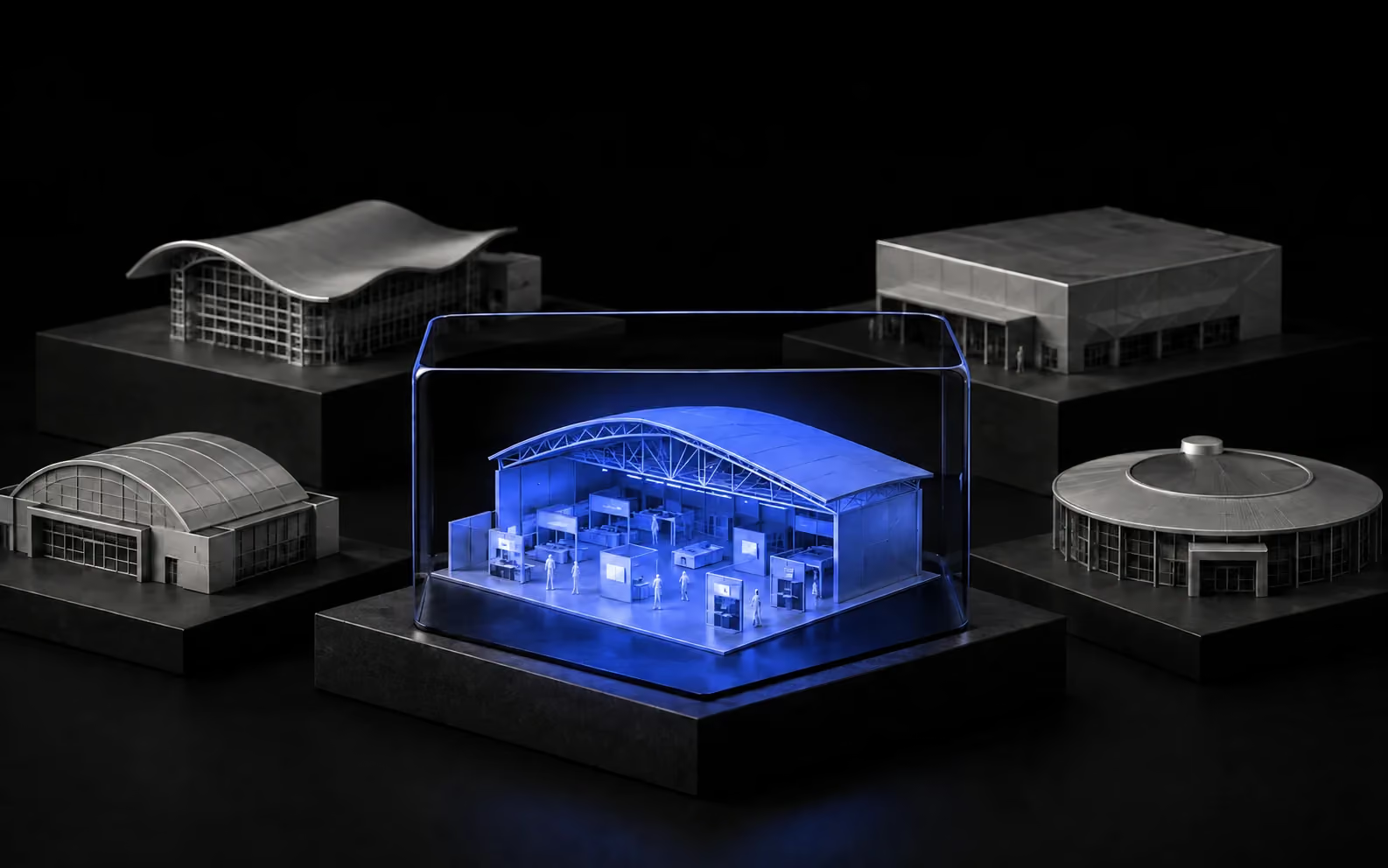
Illustration of selecting a relevant trade show from several events
Find the event that fits your market.Workflow illustration
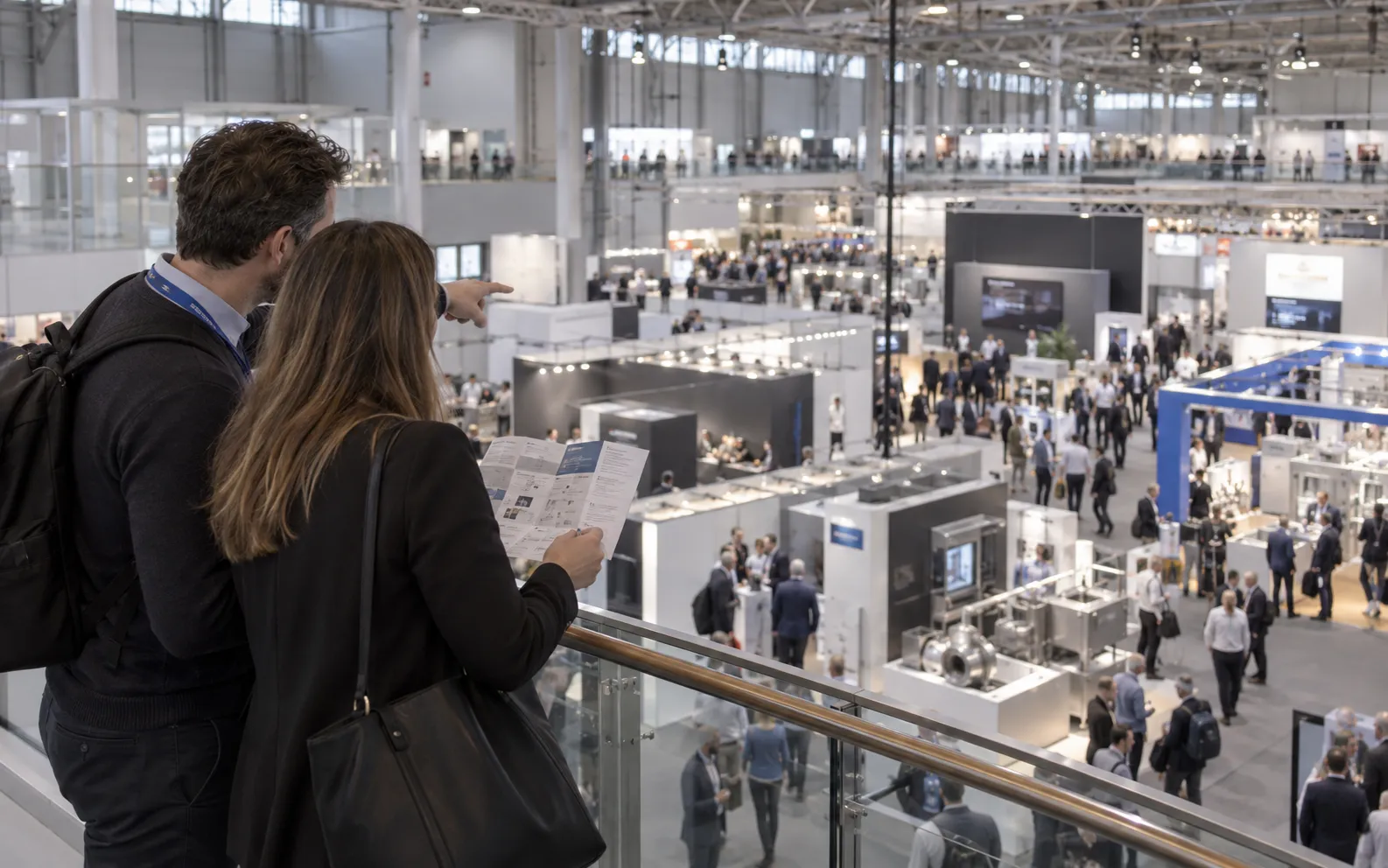
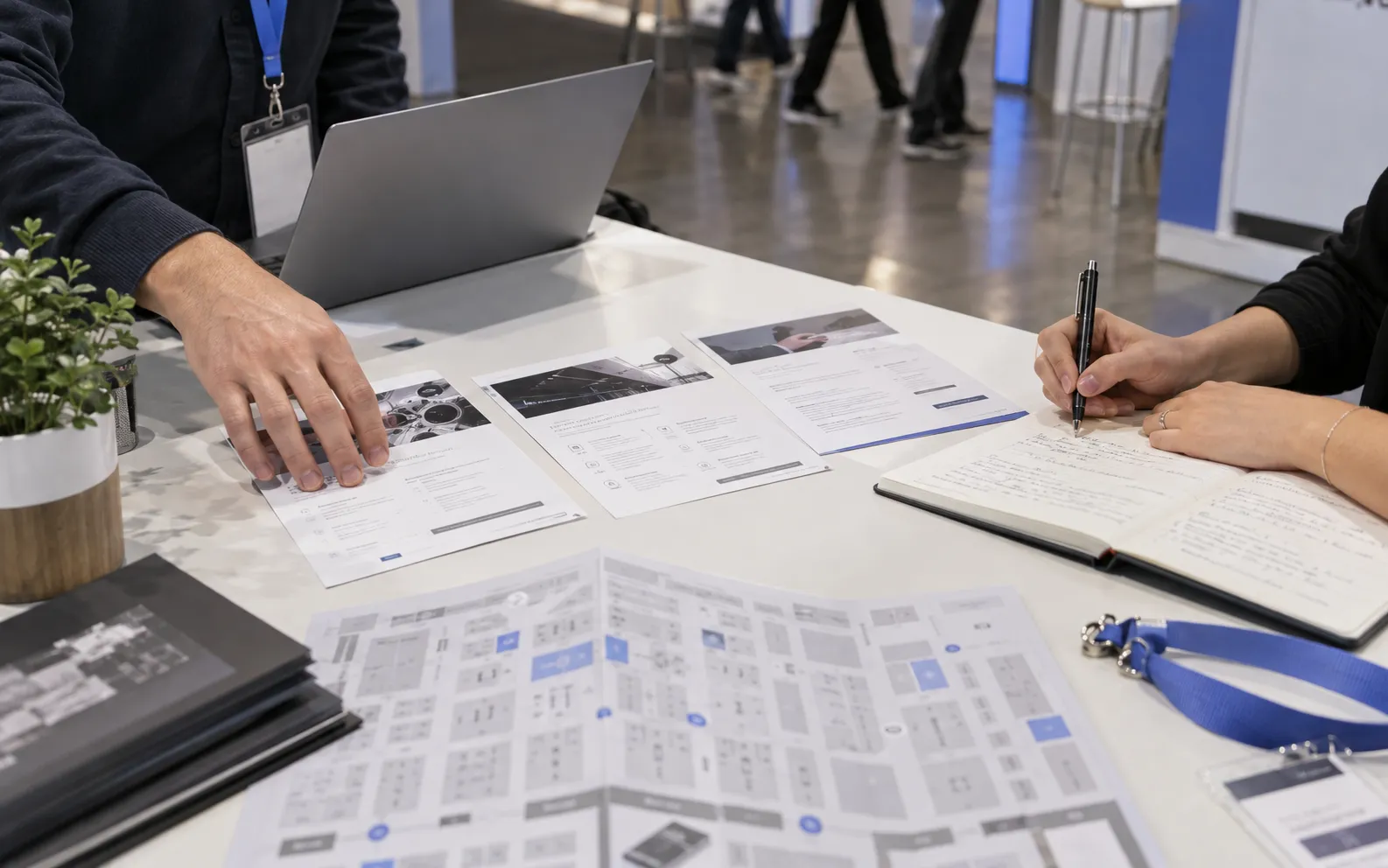
Generated scenario: exhibitor colleagues scouting an industry exhibition with an event guideGenerated scenario: an exhibitor team qualifying account priorities using company researchGenerated scenario: sales colleagues reviewing a catalogue and agenda before outreachGenerated scenario: an exhibitor preparing a thoughtful pre-show invitationGenerated scenario: An event services planner marks two relevant venues on a physical regional map while a colleague checks an open printed calendar, at a venue operations deskGenerated scenario: An agency business developer browses a printed industrial exhibitor directory beside a laptop at the edge of an exhibition hallGenerated scenario: A producer and account director review three prospective exhibitor folders alongside an equipment availability schedule in a studio meeting areaGenerated scenario: An agency account manager prepares a specific exhibitor outreach brief at a laptop with a relevant product brochure and show plan beside it, an audiovisual rental workshop in backgroundGenerated scenario: A fabrication planner checks a wall calendar and a folded delivery-region map beside stacked stand panels and packed transport crates in a clean workshopGenerated scenario: An exhibit design researcher studies a company product brochure next to material swatches and a laptop in a small practical studioGenerated scenario: Two stand designers compare printed photographs of the same fictional company's booths at different venues on a workshop pinboardGenerated scenario: An exhibit builder's account manager drafts a project question beside a notebook, phone and simple booth floorplan, with the workshop beyond an internal windowGenerated scenario: A cinematographer and producer review physical sample footage stills and industry catalogues beside a camera rig in their working studio, choosing an industry specialtyGenerated scenario: A video researcher looks closely at a small industrial component on a demo table while an exhibitor explains it, printed product literature and a compact camera bag nearbyGenerated scenario: A studio producer reviews an exhibitor's publicly available marketing brochure and a role-research notebook beside a laptop, with an empty interview lighting setup in the backgroundGenerated scenario: A video director prepares a simple pencil storyboard and outreach note on a studio worktable, an industrial product brochure and a professional camera lens give contextGenerated scenario: A staffing planner compares two venue dates on a paper calendar with travel-distance notes, in a backstage office with unbranded lanyards and radios neatly on shelvesGenerated scenario: An event staffing researcher reviews exhibitor sectors in a printed trade-show catalogue beside a reception-service portfolio at a practical agency deskGenerated scenario: An agency coordinator reviews a client organization sketch and event operations contact notes with a colleague, sitting near an empty registration areaGenerated scenario: A staffing business developer prepares a tailored outreach note beside shift planning paperwork and a laptop, in a quiet convention venue service officeGenerated scenario: Two procurement colleagues define sourcing needs using paper material samples, packaging prototypes and a plain checklist at a working table before a sourcing tripGenerated scenario: A sourcing researcher compares supplier product brochures with actual small packaging samples in a quiet exhibition loungeGenerated scenario: A buyer and technical colleague examine carton construction and paper samples with a caliper and a question notebookGenerated scenario: A buyer prepares supplier questions in a notebook alongside an event floorplan and laptop, with the relevant sample package on the table in a hotel workspace near the exhibitionGenerated scenario: Two exhibition organizers survey comparable hall layouts and sector catalogues spread across a large venue planning tableGenerated scenario: An event acquisition planner sorts prospective exhibitor and sponsor company folders into focused category groups beside a physical show floorplanGenerated scenario: An organizer's commercial researcher reviews partnership and procurement role notes with a colleague at a desk overlooking an empty hall being set upGenerated scenario: An exhibition commercial director prepares a relevant company invitation at a laptop with a venue map and researched sector brief beside itGenerated scenario: A sales rep and account manager compare a small company shortlist with an industrial trade-show catalogue at a booth planning table before openingGenerated scenario: A sales researcher studies a printed company overview and relevant role notes at a laptop in a venue loungeGenerated scenario: A sales lead hands a neatly prepared prospect folder to a colleague over a stand meeting table, alongside an event guide and question notesGenerated scenario: A sales rep drafts a careful pre-show invitation at a laptop in a quiet booth alcove, consulting researched company notes and an event guideGenerated scenario: A demand generation planner reviews an offer brief with sector-specific product brochures and an upcoming trade-show programme in a modest officeGenerated scenario: A researcher and marketer compare selected industrial company profiles against a concise paper qualification checklistGenerated scenario: A marketer researches relevant buying roles using company literature and a laptop while keeping an official event source in an open notebookGenerated scenario: A demand generation lead passes a researched account brief to a sales colleague at an office meeting table, both reviewing the same folder and next-step notesGenerated scenario: A field event planner surveys a private meeting venue beside a window overlooking an ordinary business district, a regional map and date notes in handGenerated scenario: Two field marketers compare regional company research folders with a city-area map at a venue side tableGenerated scenario: A field marketer reviews business-role notes with an account executive at a quiet lounge table, regional show guide and invitation planning notebook nearbyGenerated scenario: A regional account owner prepares a thoughtful dinner invitation at a laptop while the field marketer consults the event brief beside themGenerated scenario: Two event marketers compare industry show catalogues and date options with a physical wall map, choosing where the company should exhibitGenerated scenario: An event campaign planner compares target company profiles with a product audience brief at a table with unbranded stand material samplesGenerated scenario: An event marketer and sales lead jointly annotate a researched prospect brief with roles, source notes and open questionsGenerated scenario: An event marketer coordinates a pre-show account handoff on a laptop with a sales colleague, using paper invitation notes and their existing planning materials
CE QUE VOUS OBTENEZ

Une liste de comptes ciblée pour votre développement commercial.

  • Des prospects dans votre zone d’intervention Des exposants pertinents regroupés autour des événements et lieux que vous couvrez.
  • Une checklist de qualification La date de l’événement, l’adéquation de l’entreprise, la fonction d’achat probable et les questions ouvertes sur les besoins en personnel.
  • Des contacts professionnels sélectionnés Les coordonnées disponibles pour les comptes que votre équipe a choisi de prospecter.
PASSEZ À LA PRATIQUE

Un brief client qui respecte les capacités de votre équipe.

Exemple illustratif : une recherche type, pas un résultat client. Une agence fournit des équipes de stand bilingues dans une région.

  • Lieu et dates Sélectionnez les salons dans la zone d’intervention de l’agence et vérifiez la disponibilité du personnel aux dates de l’événement.
  • Adéquation des services Recherchez les exposants dans les secteurs que l’agence peut servir. Identifiez les compétences linguistiques et les prestations sur place que votre équipe peut proposer.
  • Fonctions pertinentes Recherchez les contacts aux événements, au field marketing ou aux opérations ; confirmez si le personnel est géré par l’exposant ou son agence.
  • Questions à poser au client Quelles fonctions, langues, rotations et formations le salon nécessite-t-il ? L’entreprise dispose-t-elle déjà d’une équipe ou d’un prestataire de personnel ?
  • Motifs de renoncement Dates sans capacité disponible, langues ou fonctions non couvertes, lieux hors de la zone où la prestation peut être assurée de manière fiable.

Il s’agit de développement de clientèle professionnelle. La recherche de candidats, les vérifications, la planification et la paie restent dans les systèmes habituels de l’agence.

Découvrir la prospection pour prestataires →

Vérifiez l’adéquation des services avant d’engager du temps commercial.

  1. Couverture : Vérifiez le lieu, les dates de l’événement et les capacités disponibles de votre équipe.
  2. Pertinence du compte : Recherchez les entreprises dont le contexte événementiel public correspond aux services sur place que vous proposez.
  3. Circuit de décision : Demandez si le personnel est géré par l’exposant, une agence ou un autre partenaire événementiel.
  4. Qualification : Confirmez les fonctions, langues, rotations, formations et le périmètre avant de proposer une disponibilité ou un tarif.

Consignez la source événementielle, le motif de sélection, le responsable du contact et les questions de prestation ouvertes dans votre brief de travail. Consultez le processus de développement commercial pour le personnel événementiel pour une mise en pratique.

DES SOURCES AVANT LA PRISE DE CONTACT

Comprenez ce que chaque signal indique réellement.

Réserver une démo →Illustration of three distinct sources: exhibitors, public social signals and visitor records

Exhibitors
Companies listed in official exhibitor or sponsor sources.
Social Signals
Public event-related activity. A research signal, not confirmed registration.
Visitors
Organizer or data-partner records, where available for the event.

Examinez la source de chaque fiche. Exposants sont reliés à des sources officielles d’exposants ou de sponsors. Signaux sociaux reflètent une activité publique liée à l’événement et ne prouvent pas une inscription confirmée. Visiteurs sont fournis, lorsqu’ils sont disponibles, par les organisateurs ou les partenaires de données.

La couverture varie selon l’événement, la période et la source. L’enrichissement des contacts ne prouve ni la participation, ni l’existence d’un budget, ni l’intention d’achat. Gardez ces questions visibles pendant la qualification.

LES QUESTIONS ESSENTIELLES

Avant de créer votre liste.

Comprenez ce que Lensmor vous aide à faire et ce que votre équipe doit vérifier.

Lensmor est-il une base de candidats ou une plateforme de recrutement ?

Ce processus sert à trouver des clients professionnels potentiels liés aux événements. Il ne s’agit pas d’un système de recherche de candidats, de vérification du personnel, de planification ou de paie.

Exposer signifie-t-il qu’une entreprise a besoin de personnel temporaire ?

Non. L’entreprise peut faire appel à sa propre équipe ou à une agence existante. Utilisez le lien événementiel pour poser des questions sur son organisation, pas pour affirmer un besoin non vérifié.

Pouvons-nous cibler une région ou un secteur précis ?

Partez des événements pertinents et utilisez les informations d’entreprise disponibles et les filtres compatibles pour affiner la liste. La profondeur des données varie : examinez les comptes obtenus avant de les contacter.

Pouvons-nous l’utiliser pour un développement commercial plus large dans le staffing ?

La participation événementielle peut fournir un contexte sur l’entreprise, mais ne prouve pas un besoin de recrutement. Cette page porte sur le personnel événementiel ; qualifiez séparément tout besoin de recrutement plus large.

Préparez vos prochaines conversations commerciales.
2 000 crédits offerts · Sans carte bancaire