FOR EVENT STAFFING AGENCIES

Find new clients for your event staffing agency.

Build a client-development list around the events your team can staff. Lensmor helps event staffing agencies find relevant exhibitors, research account fit, and identify contacts for conversations about onsite support.

Start free with 2,000 credits · No credit card required

Architectural illustration of selected exhibitors connected to an account shortlist
EVENT RESEARCH → A FOCUSED SHORTLISTBefore the doors open
Find relevant events
Qualify account fit
Review source evidence
Prepare useful conversations
THE OPPORTUNITY

A busy event calendar is not a qualified client pipeline.

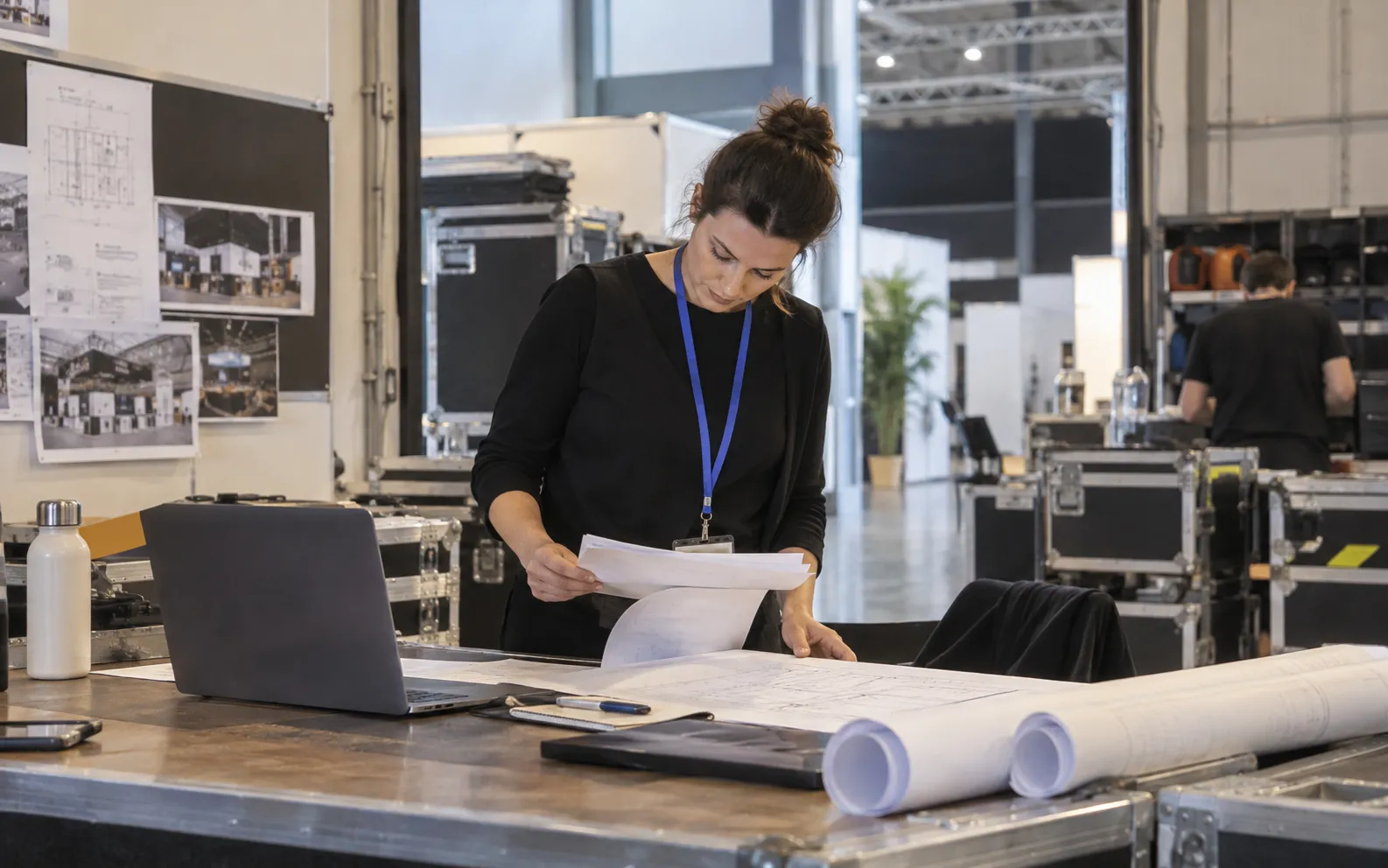
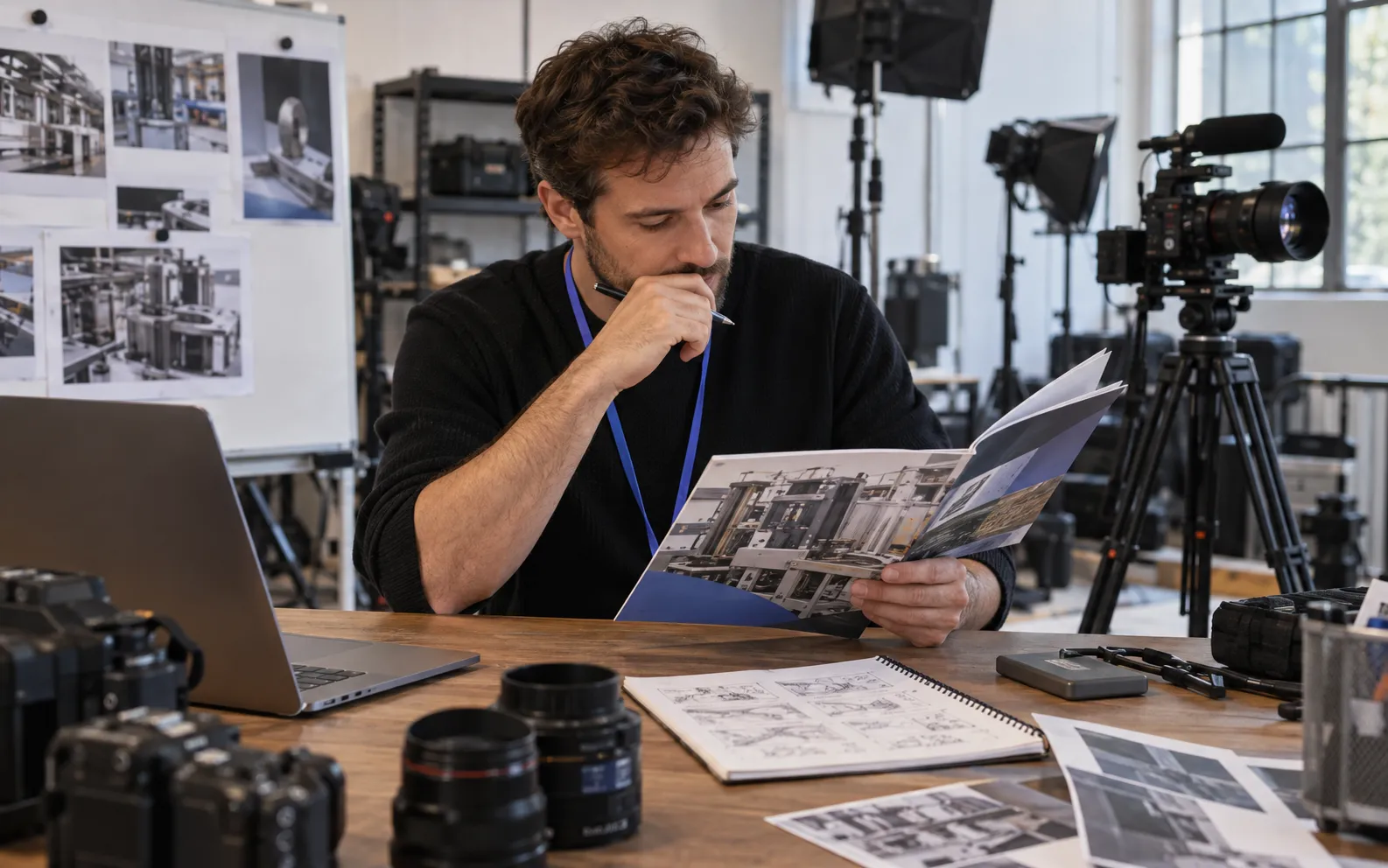
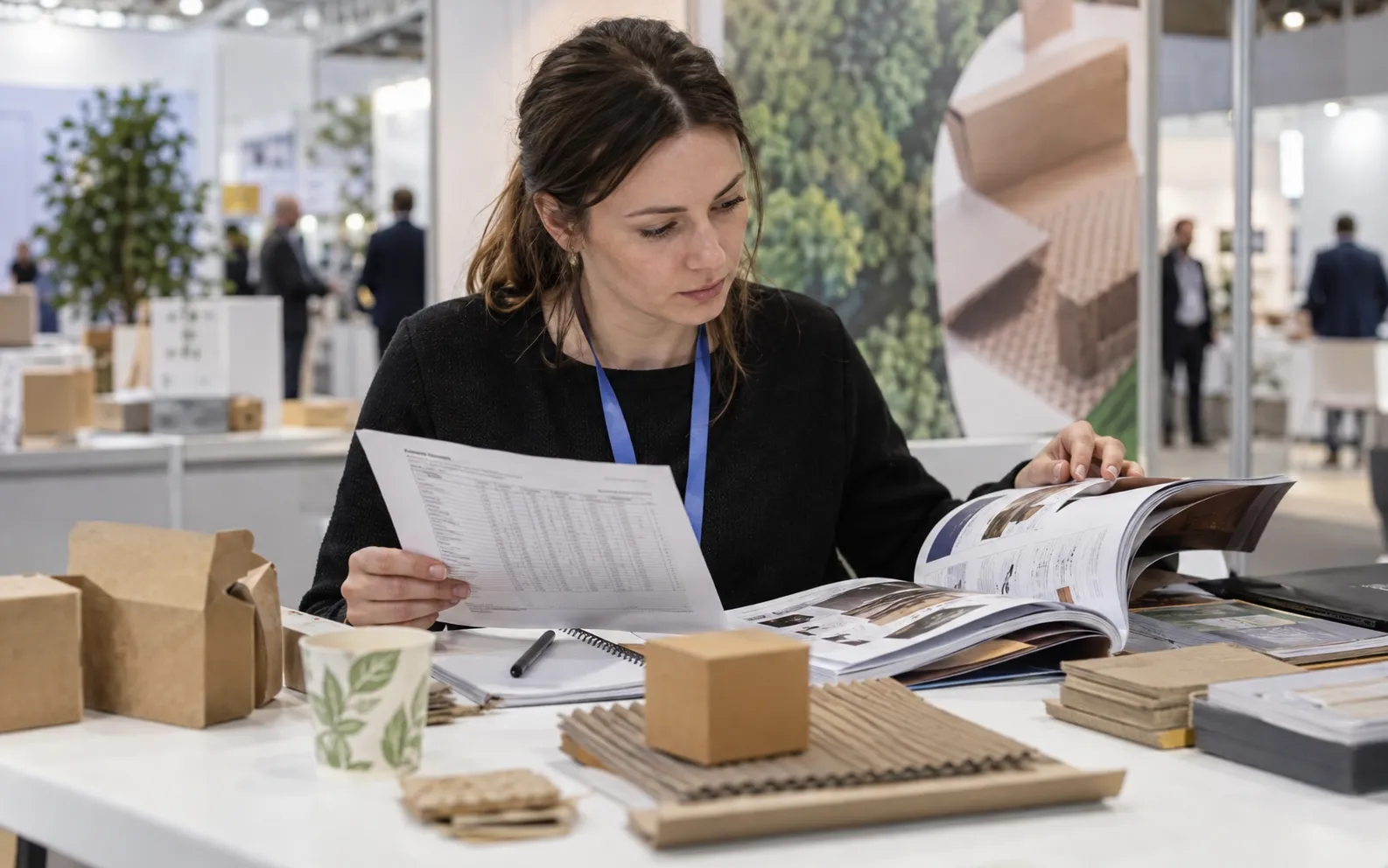
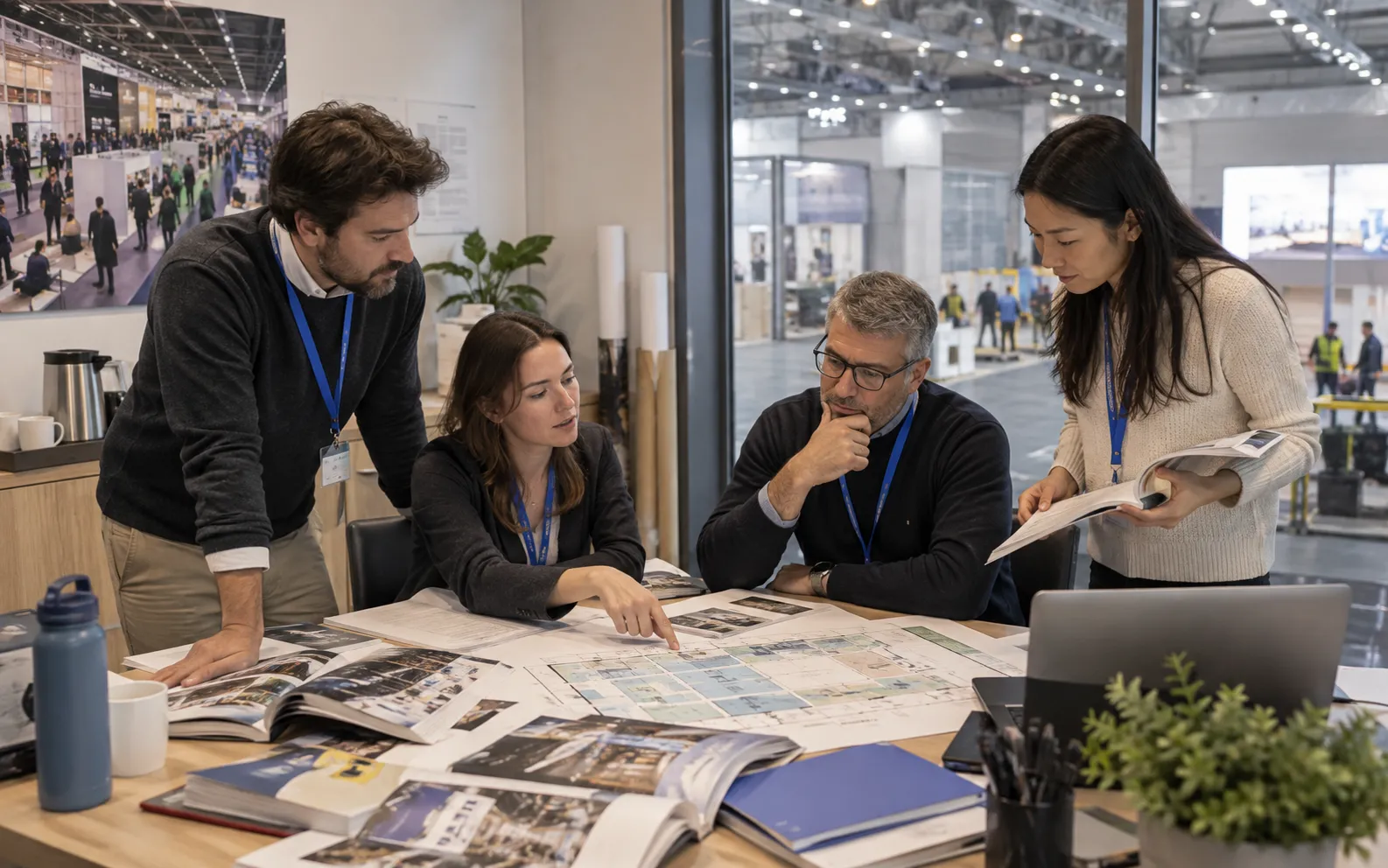
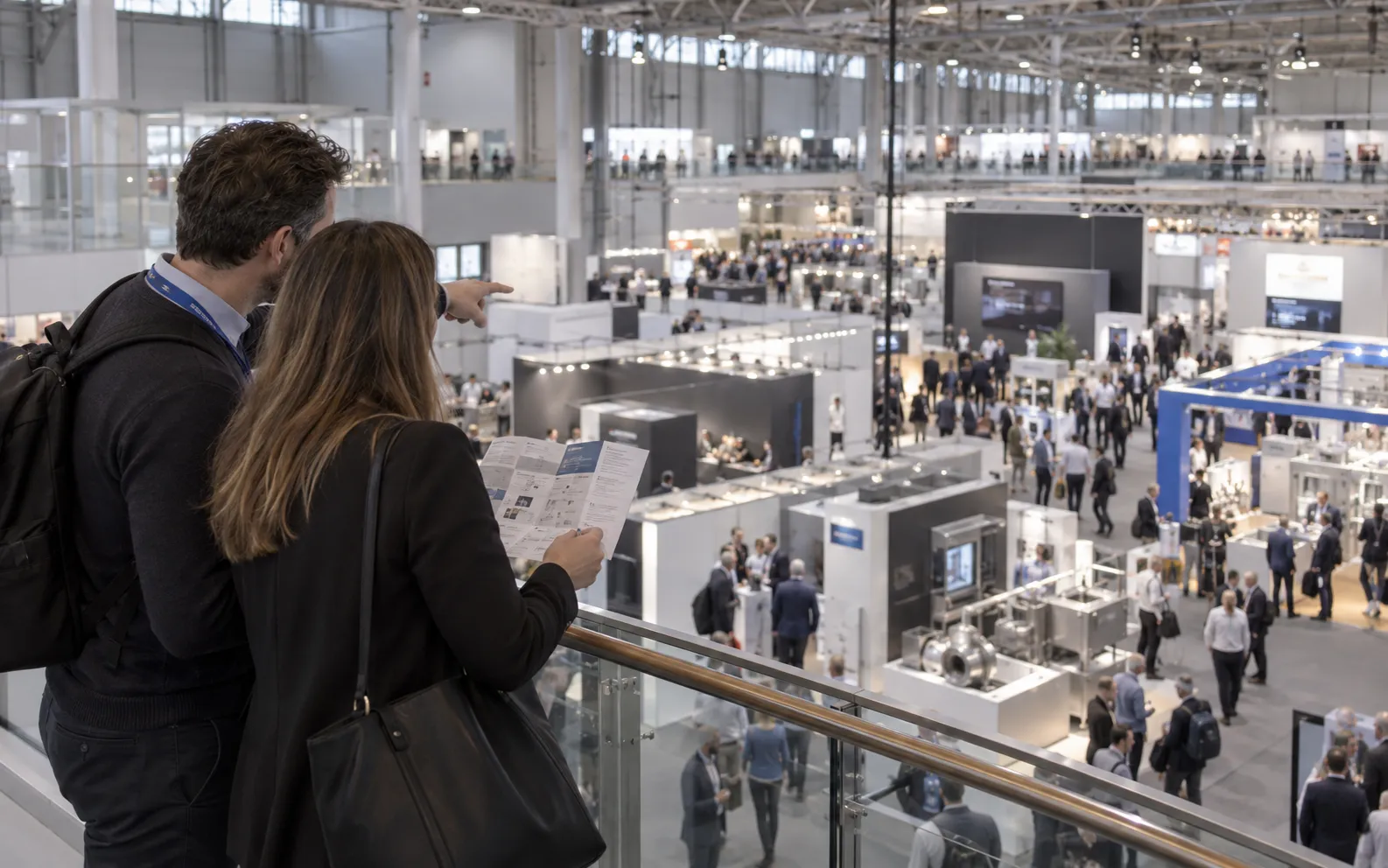
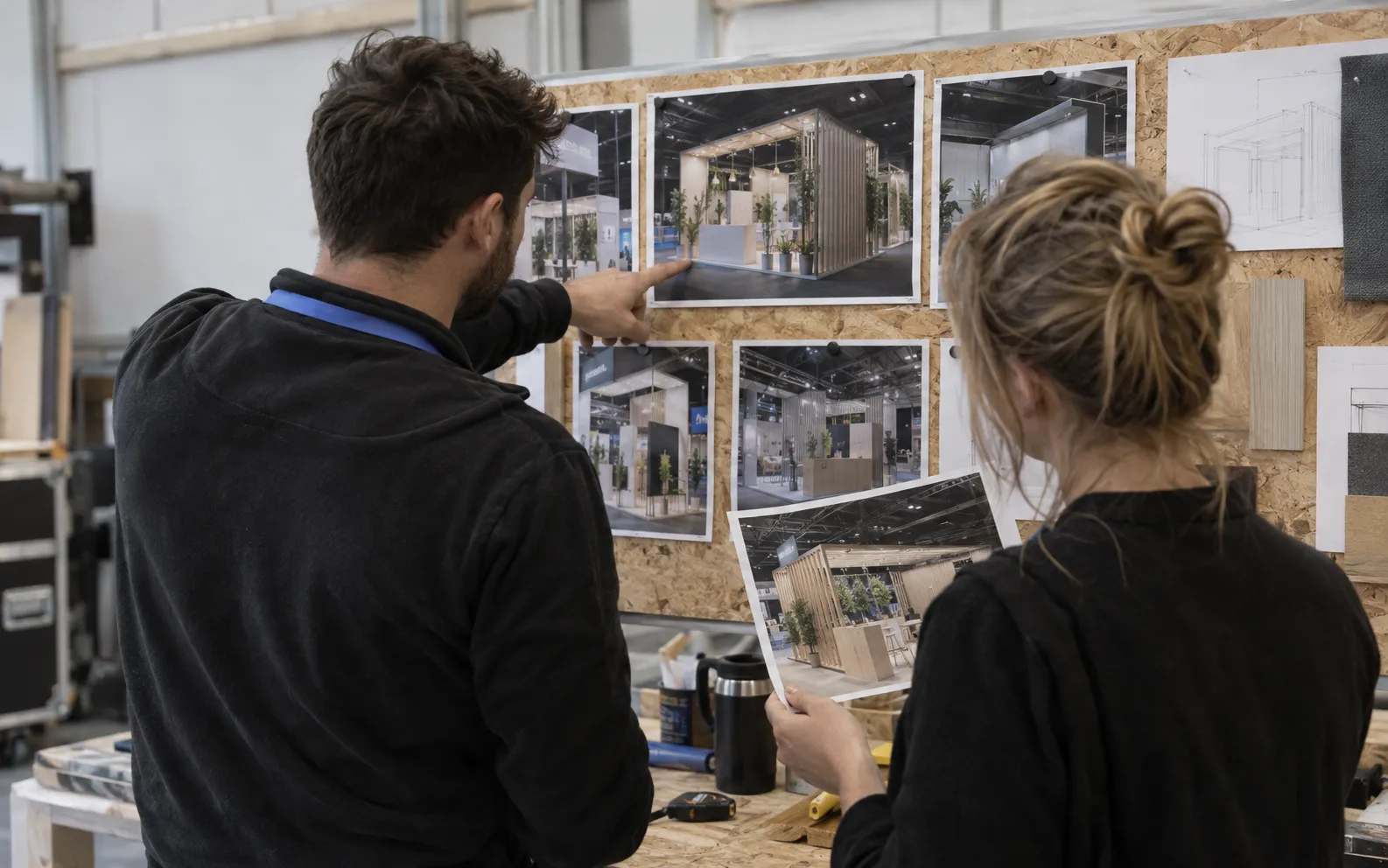
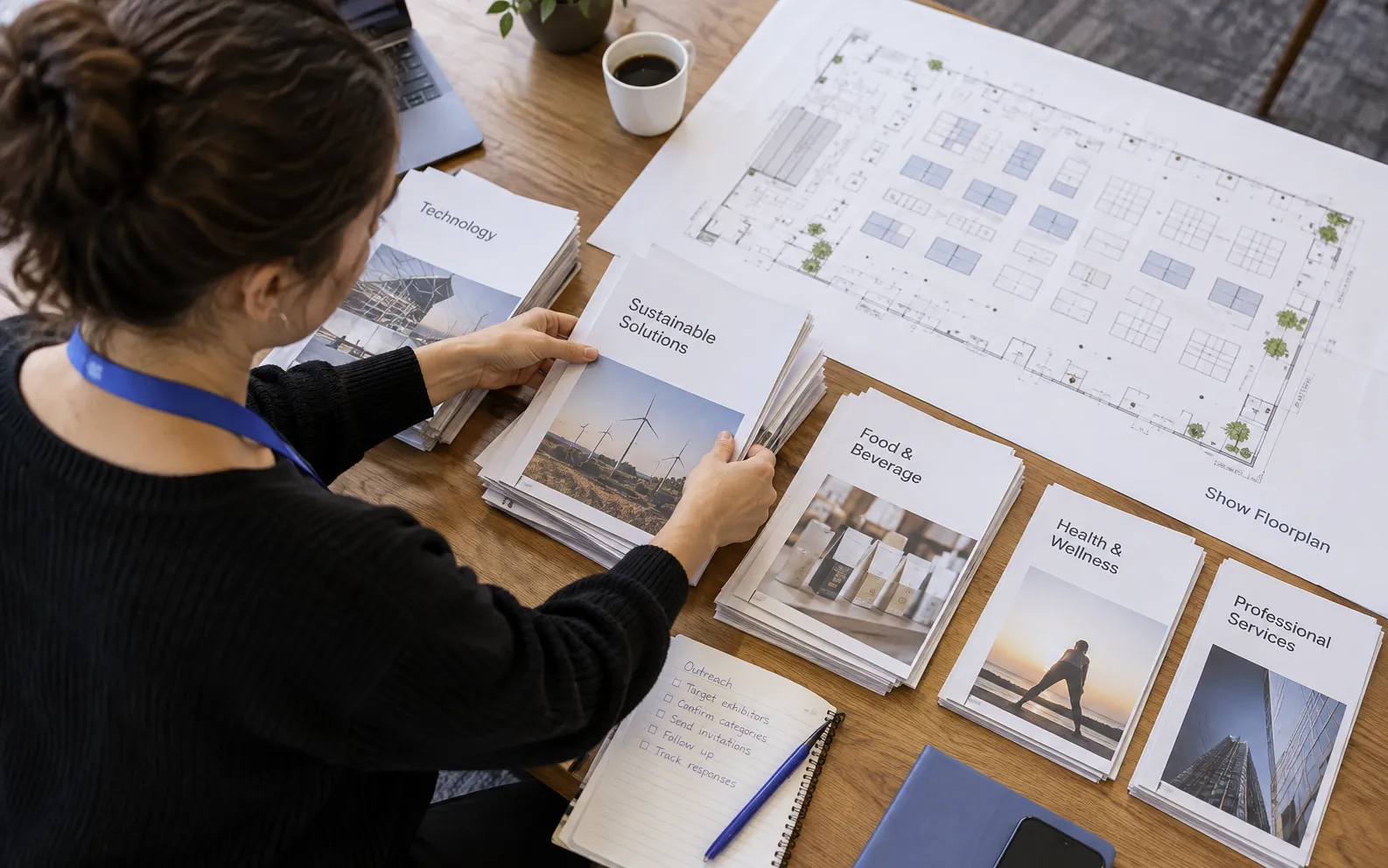
Illustration of a broad company directory narrowed to three researched accountsGenerated scenario: exhibitor colleagues researching companies at their trade-show standGenerated scenario: An exhibition services account director studies a late project brief beside rolled floorplans and equipment flight cases in a venue service officeGenerated scenario: An exhibit builder's business developer sorts an overly broad pile of show directories beside timber, fabric and laminate samples in a working design studioGenerated scenario: A small video studio producer researches an industrial exhibitor's product brochure beside camera lenses and a sketch storyboardGenerated scenario: A staffing operations manager checks a service-area map and staff availability sheets at a venue preparation desk, unbranded uniforms folded nearbyGenerated scenario: A procurement researcher compares a packaging requirements sheet with a thick supplier exhibition catalogue at a sourcing deskGenerated scenario: An exhibition organizer's commercial team studies a show floor model and adjacent-industry exhibitor catalogues at a venue office, looking beyond last year's exhibitor portfolioGenerated scenario: A B2B sales rep studies a broad printed exhibitor directory with a notebook at a stand meeting counter, considering which accounts deserve attentionGenerated scenario: A demand generation strategist defines a campaign audience on paper with a sales colleague, a printed industry event guide and company research spread on a planning deskGenerated scenario: A regional field marketer studies a physical city-region map with an account manager beside venue information sheetsGenerated scenario: An event marketing manager compares a busy printed exhibition calendar with company audience brochures at a planning table
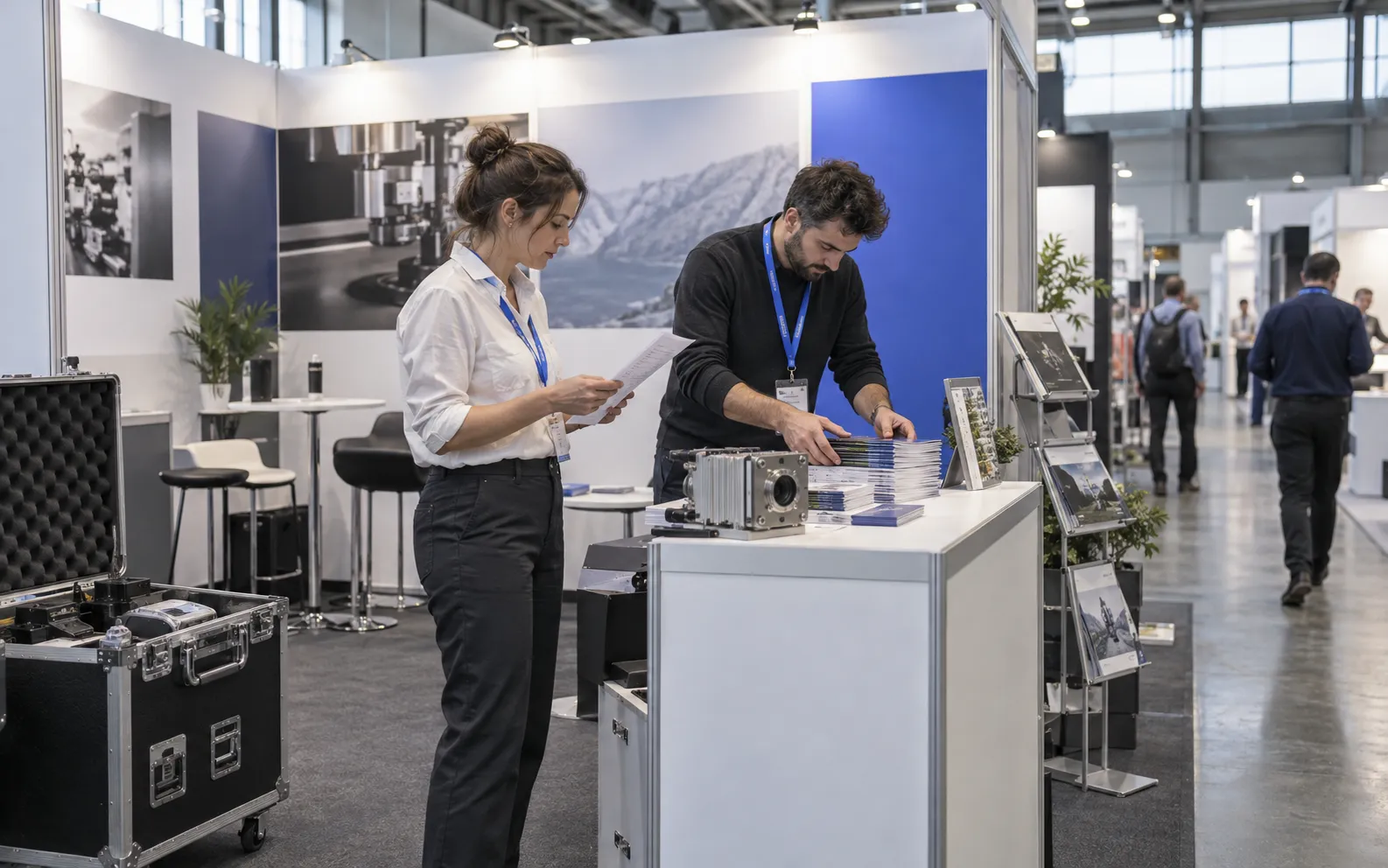
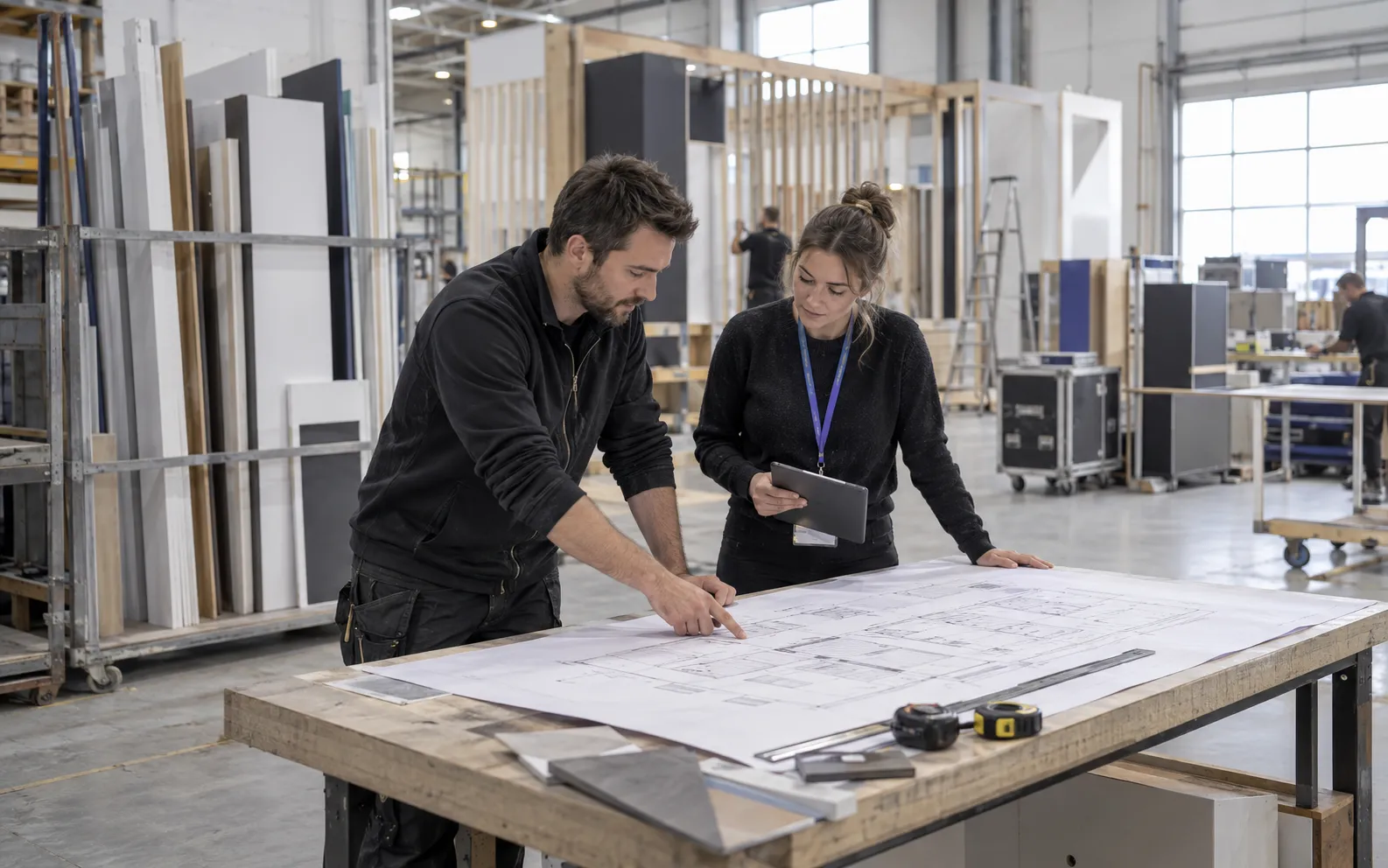
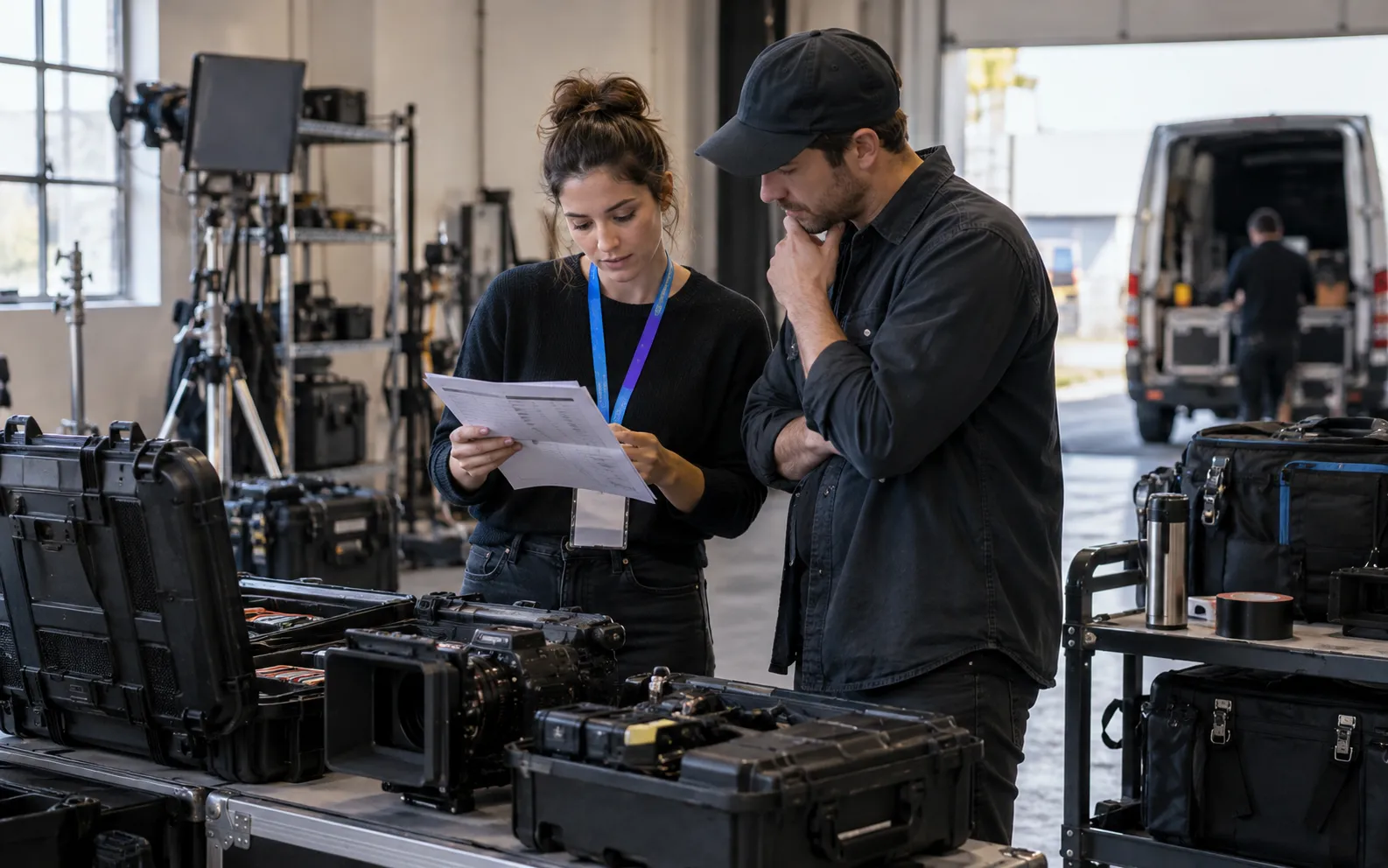
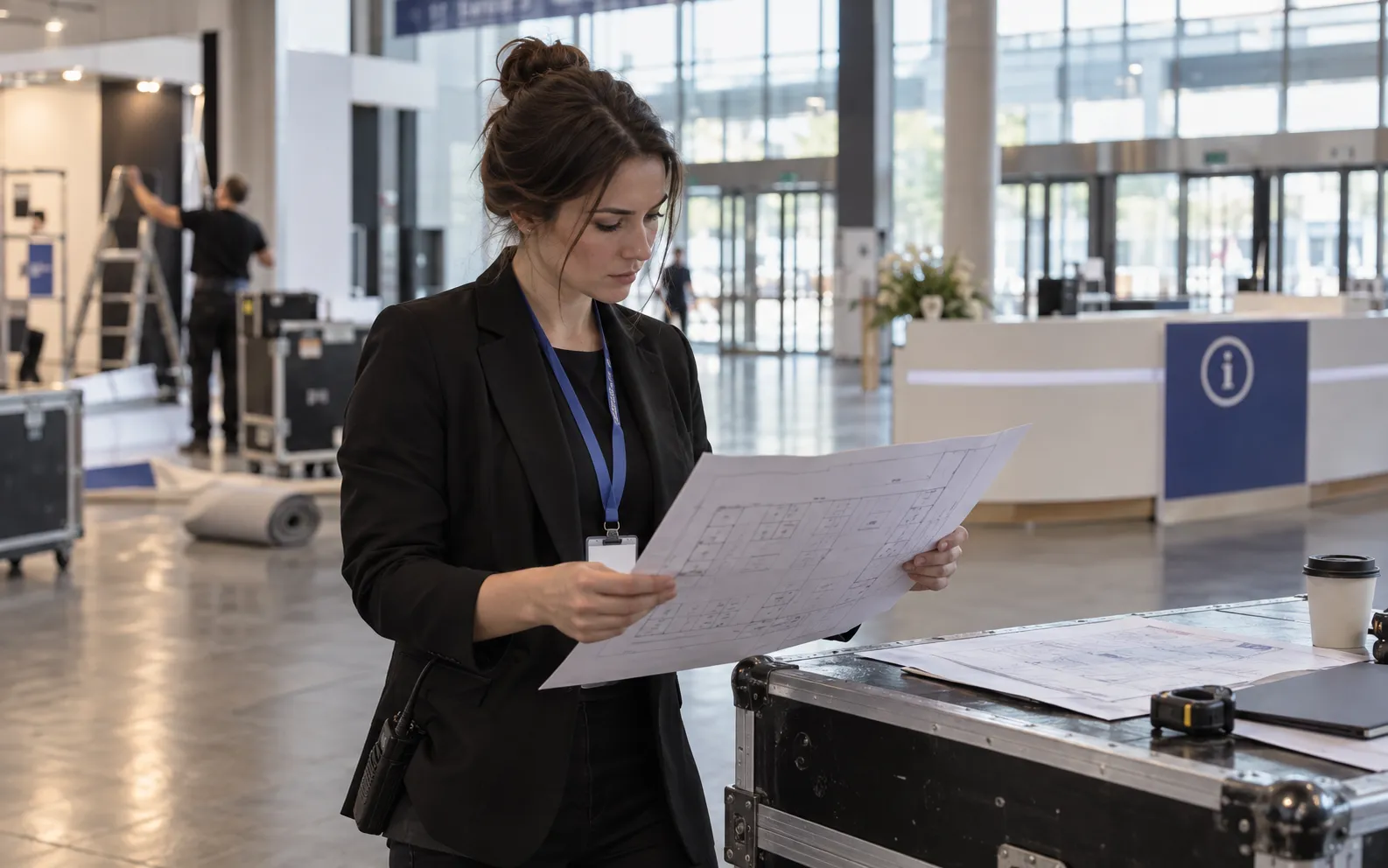
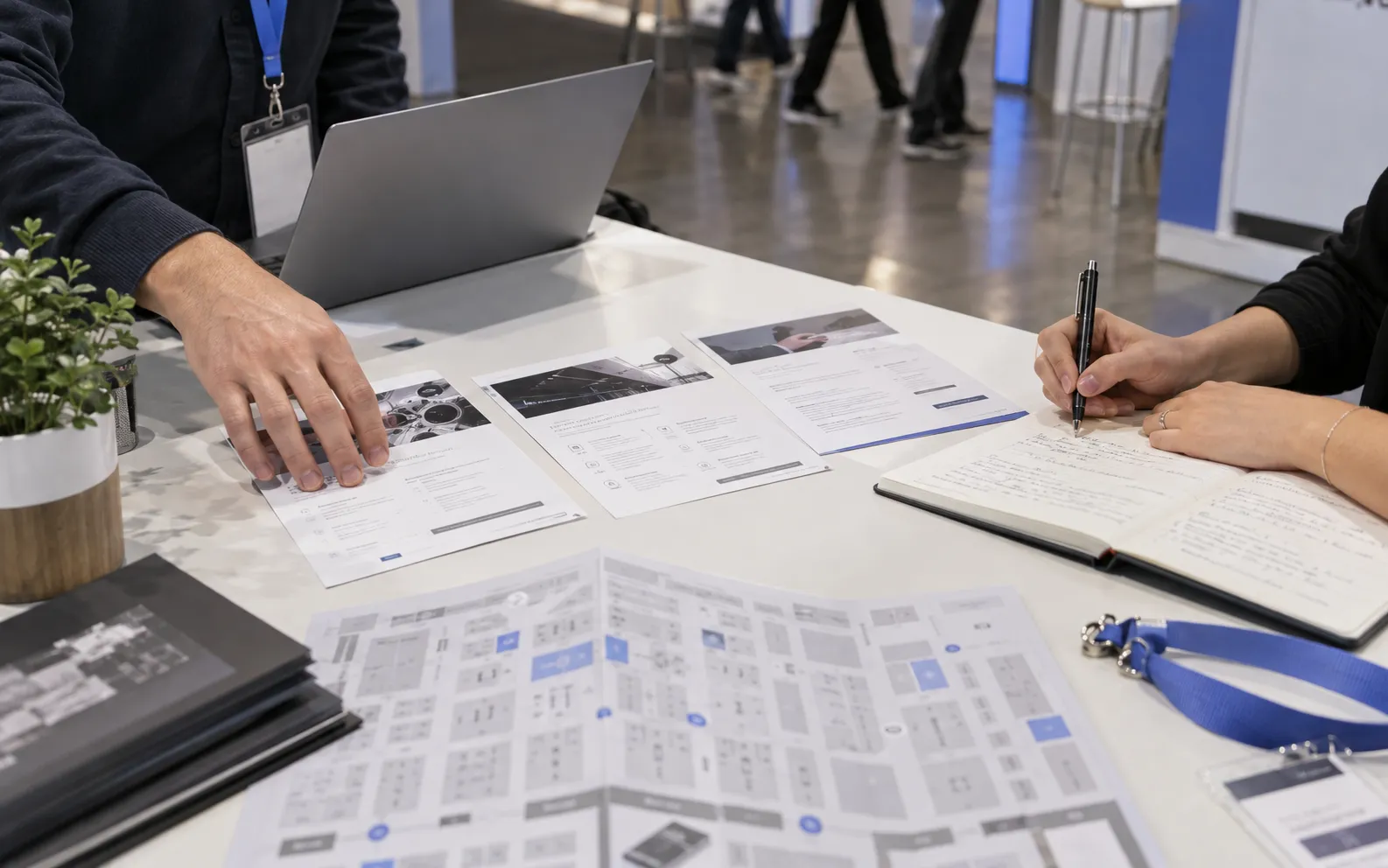
Illustration of trade show preparation with a booth, calendar and research documentsGenerated scenario: an exhibitor team preparing brochures and a demo unit before doors openGenerated scenario: A service provider researcher compares a printed exhibitor catalogue with venue scheduling notes at a desk overlooking a convention hallGenerated scenario: A stand designer and project lead review a freshly arrived floorplan brief while fabricated booth panels stand ready in the workshop behind themGenerated scenario: A producer and cinematographer check a shooting schedule on paper beside packed cinema camera cases in a practical studio before leaving for a trade showGenerated scenario: An agency coordinator studies an exhibitor's stand plan while the exhibition entrance is being prepared, reception counter and empty information point visible behindGenerated scenario: A buyer reviews several supplier brochures and a laptop at a trade-show lounge table, keeping the sources together in a research folderGenerated scenario: An organizer's account manager compares a prospective sponsor's product brochure with their own show's audience profile on paper, beside the glass overlooking a convention hallGenerated scenario: A sales rep reviews a company dossier with role notes beside a laptop while a colleague points to a product brochureGenerated scenario: A marketer sorts a broad pile of exhibitor profiles into a small relevant group at a table with product brochuresGenerated scenario: A field marketer checks an empty executive-dinner place setting against a research notebook before invitations go outGenerated scenario: An event marketer studies a printed exhibitor directory alongside an unfinished campaign brief in a booth planning office
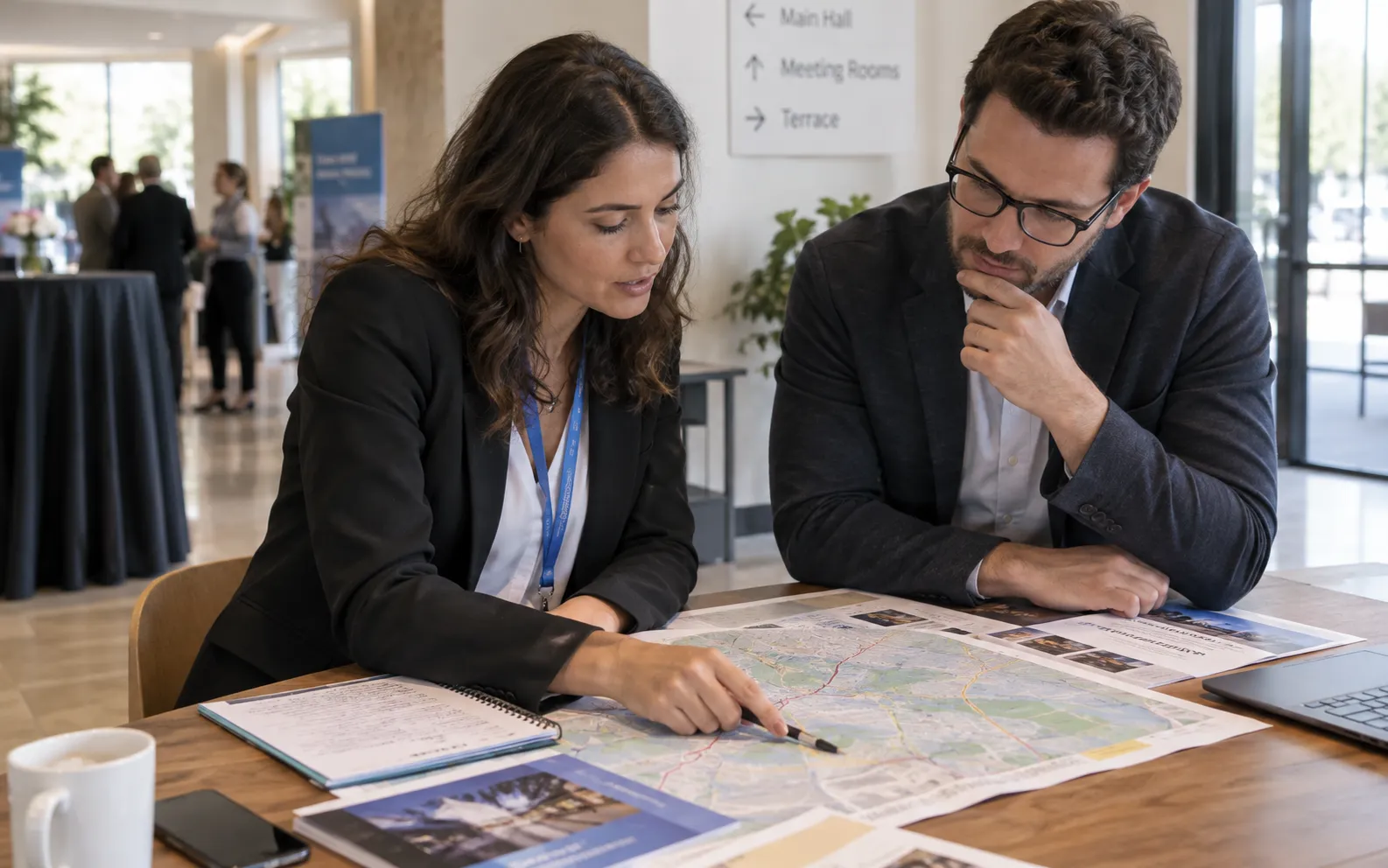
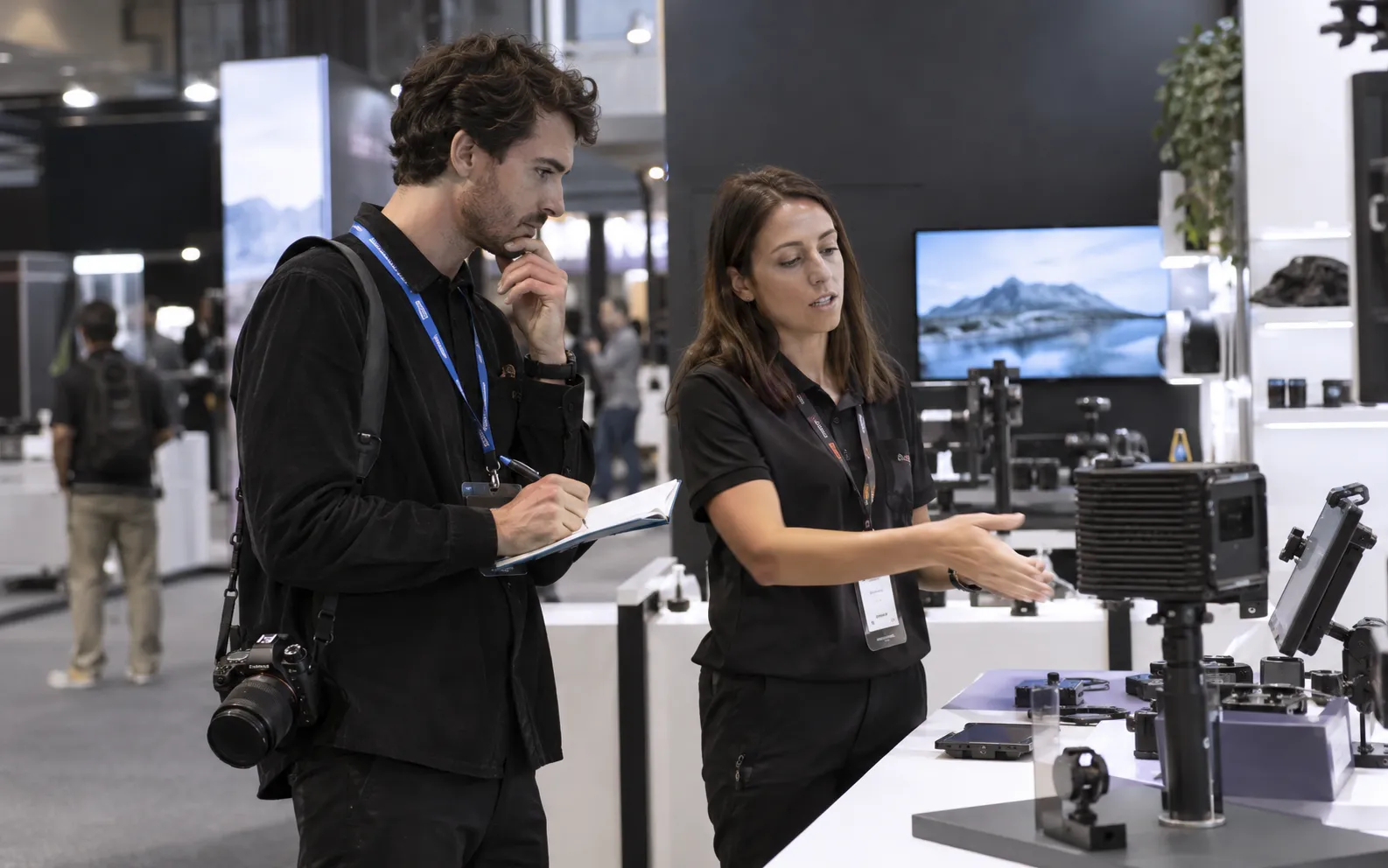
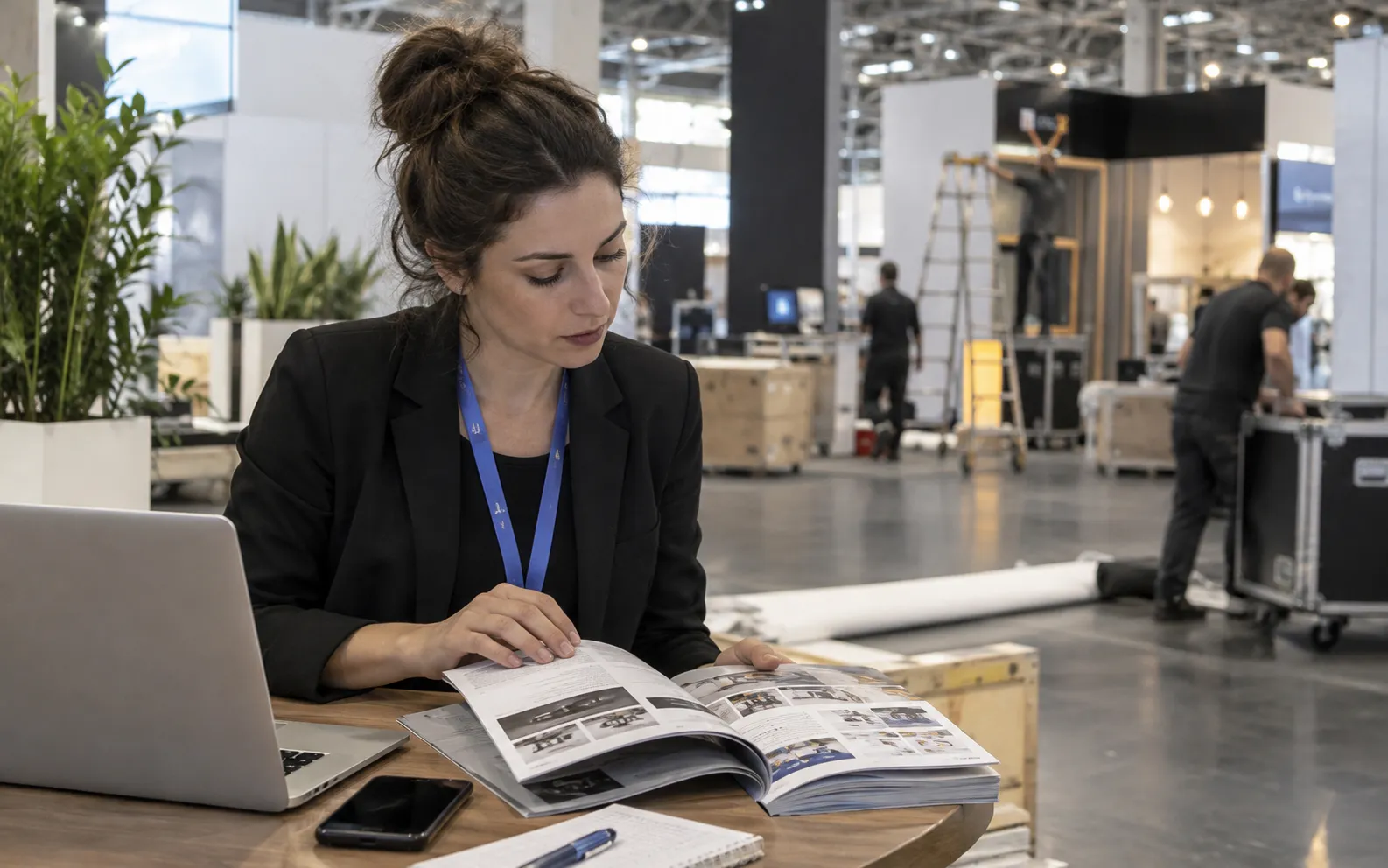
Illustration of two people connected by relevant event contextGenerated scenario: a visitor and exhibitor discussing a product sample with relevant company contextGenerated scenario: Two agency colleagues check a large physical regional map, a venue calendar and available crew notes on a worktable, considering which exhibitions they can realistically serveGenerated scenario: A booth builder talks through a plain floorplan and a small physical architectural stand model with a marketing managerGenerated scenario: A film director researches a technical product demonstration in an exhibitor stand while taking unobtrusive notes, a compact camera carried at the side, not filming without permissionGenerated scenario: A staffing account manager and venue coordinator discuss who will own onsite duties beside a reception desk before doors openGenerated scenario: A procurement professional pauses at the edge of a busy packaging show floor, consulting a folded supplier shortlist and floorplan before choosing a boothGenerated scenario: An organizer reviews three distinct invitation briefs with a colleague: exhibitor brochure, sponsor proposal folder and professional buyer program notesGenerated scenario: A sales manager and two reps clarify account ownership using separate paper prospect folders around a stand meeting tableGenerated scenario: A marketer and sales colleague align around an account research folder in a venue lounge rather than passing a disconnected spreadsheetGenerated scenario: A field marketer and sales account owner agree who should invite which researched company using paper notes at a small venue planning tableGenerated scenario: A marketer and sales lead discuss a prospect handoff while booth graphics and transport cases are being prepared nearby
  • Your team cannot serve every show. Location, timing, language, and delivery capacity determine which opportunities are realistic. Start with a market your team can support.
  • Staffing needs are rarely visible in a directory. A booth listing cannot tell you the staffing plan, agency relationship, or onsite role requirements. It is a starting point for research.
  • The right contact matters. A general inbox may not reach the person coordinating event operations, field marketing, or the exhibitor’s agency partner.
YOUR WORKFLOW

Build your prospect list around the shows you can serve.

  1. Start with service coverage. Choose event locations and dates aligned with your team’s operating area and capacity.
  2. Find relevant exhibitors. Review companies and industries where your staffing offer is a good fit, then save a focused account group.
  3. Research the buying roles. Identify relevant events, marketing, or operations contacts and review available company context. Confirm who owns onsite staffing.
  4. Prepare a capacity-aware approach. Export selected contacts and ask about the specific show, required roles, and staffing timeline. Track the conversation in your CRM.

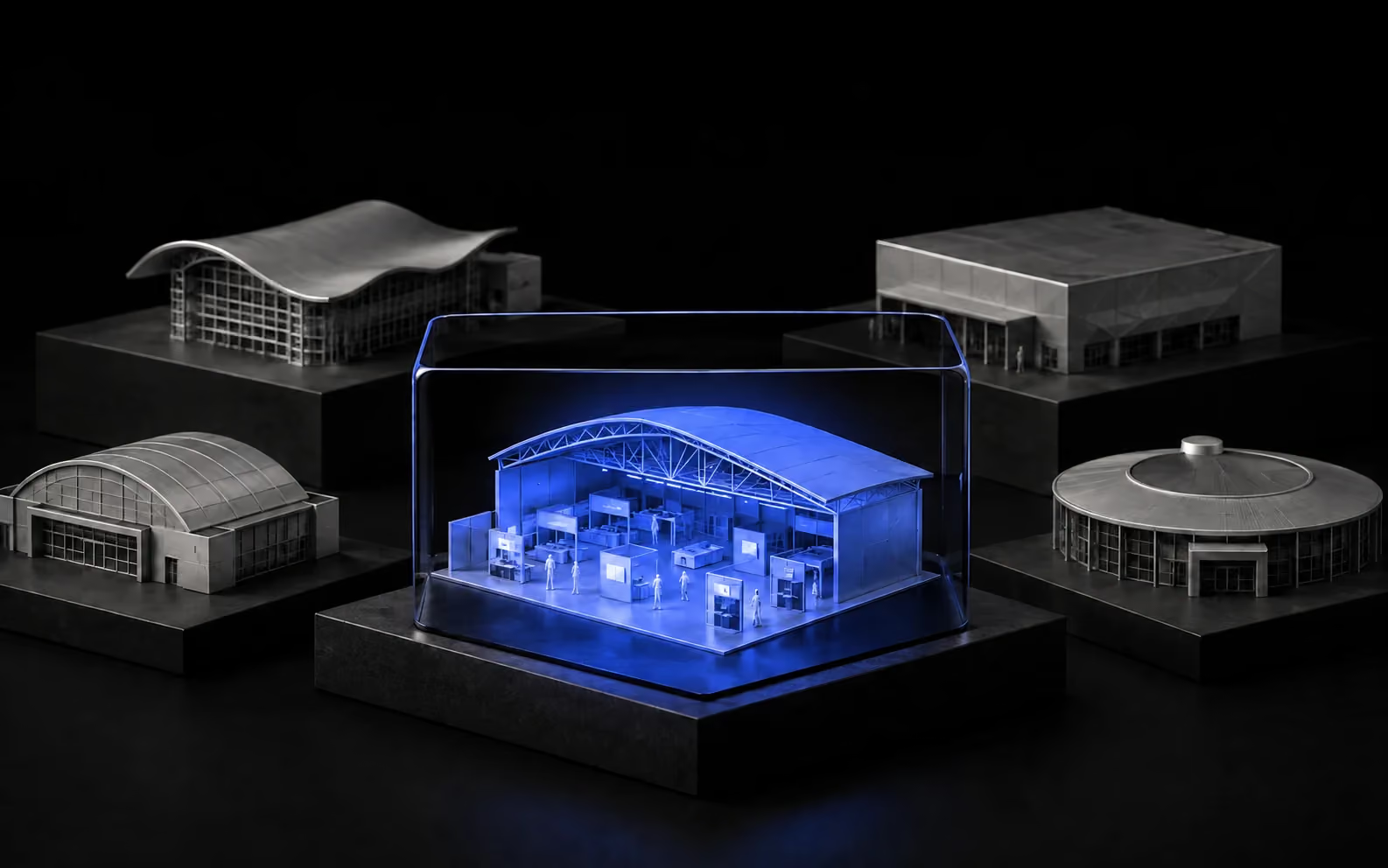
Illustration of selecting a relevant trade show from several events
Find the event that fits your market.Workflow illustration
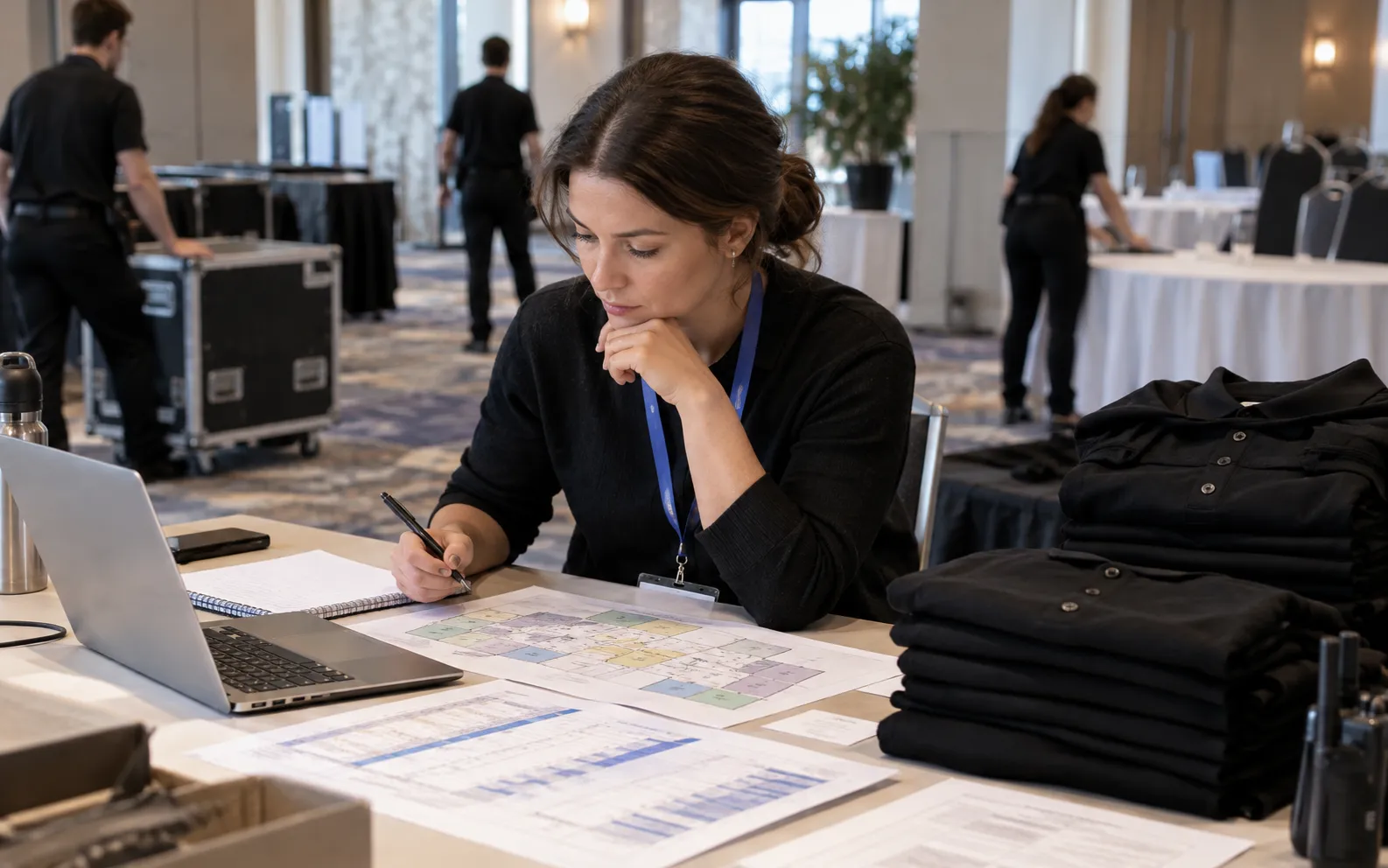
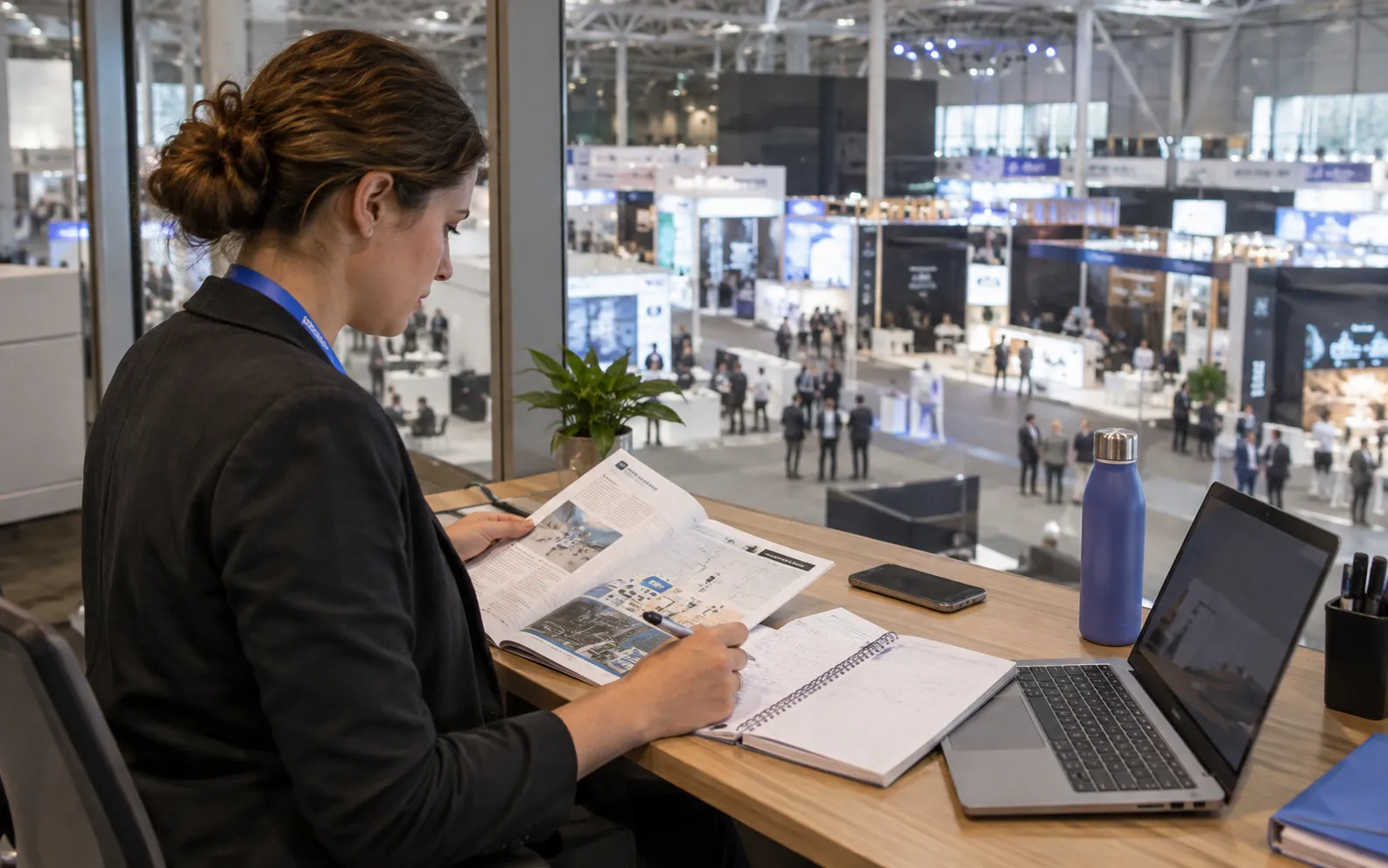
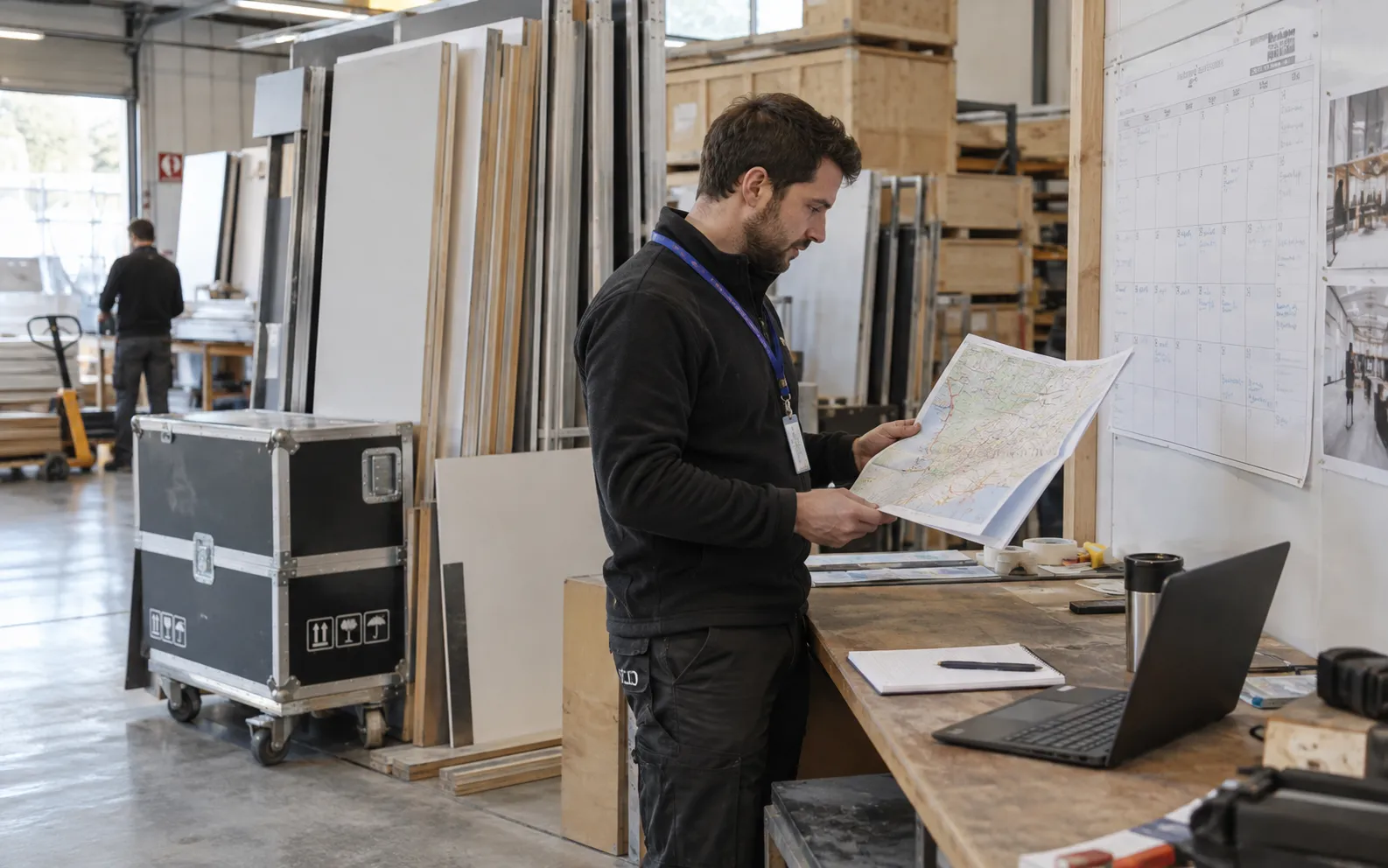
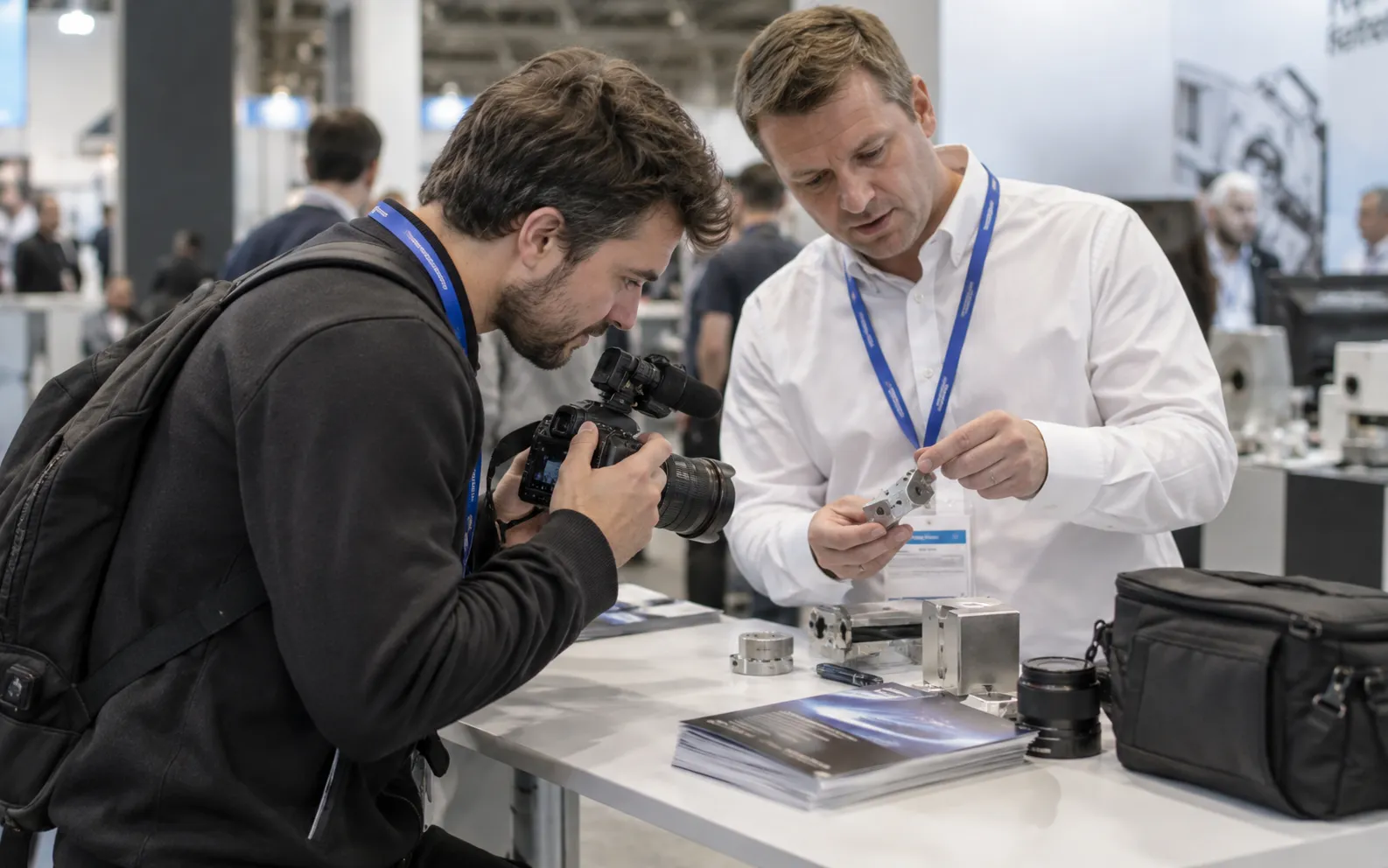
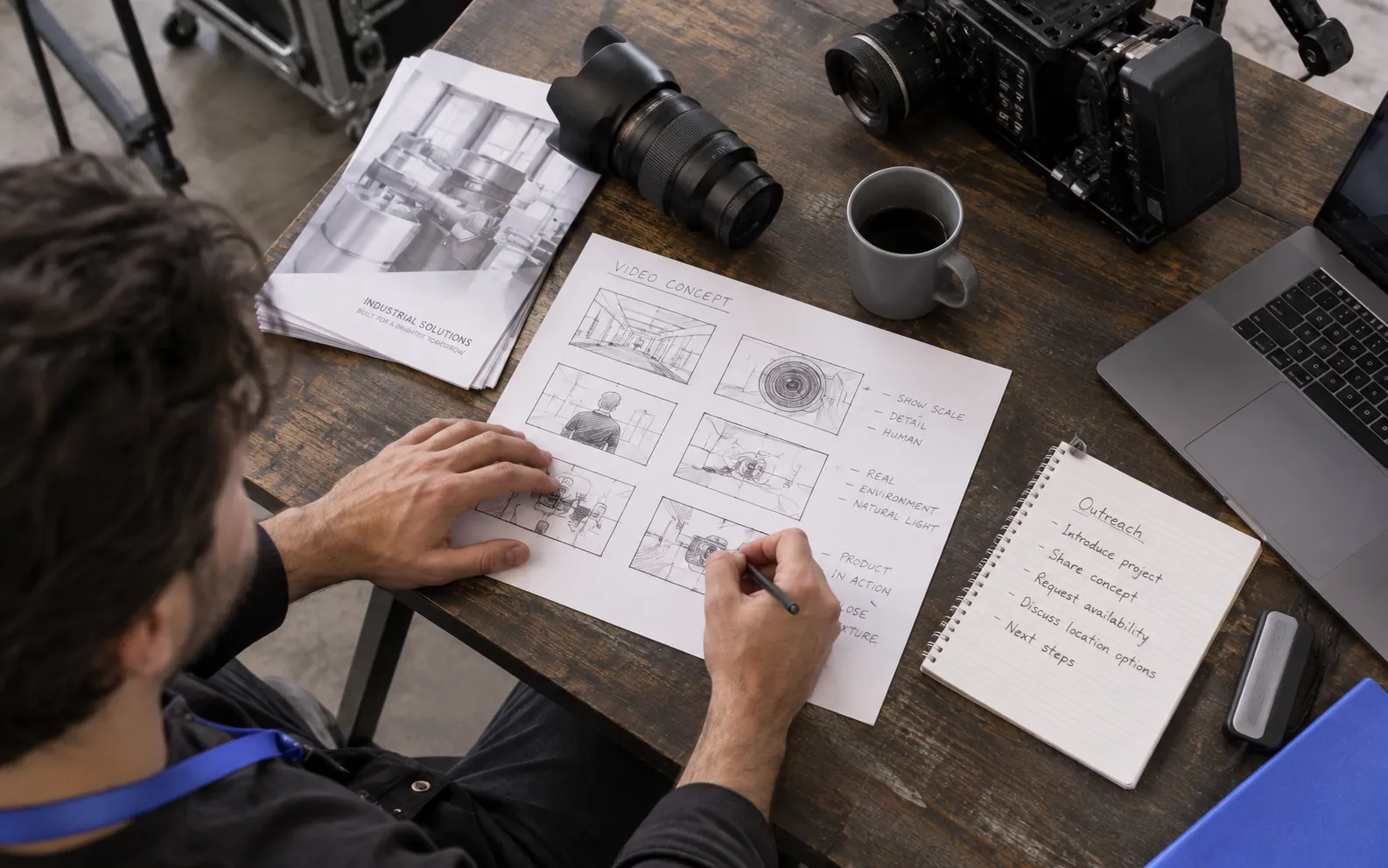
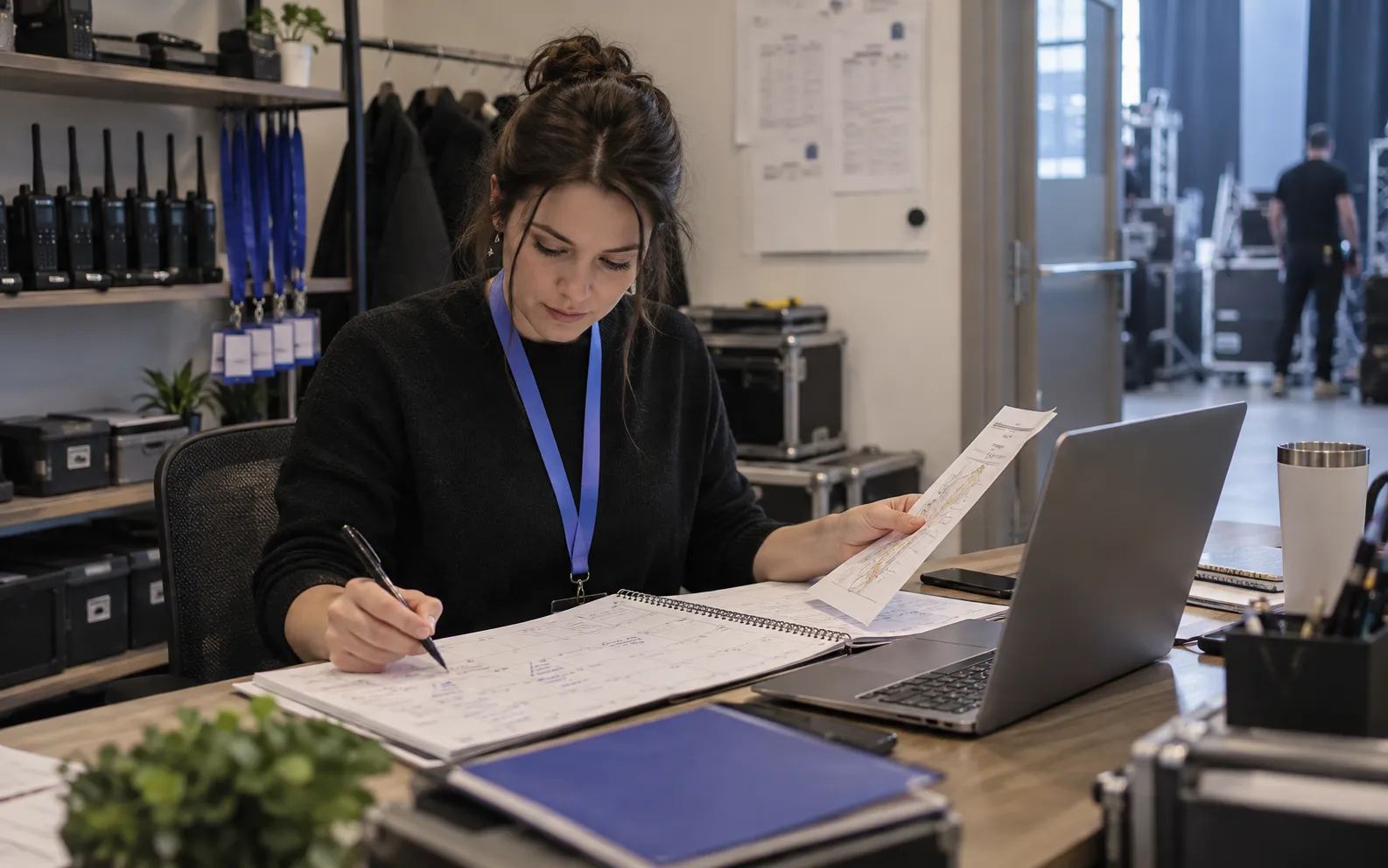
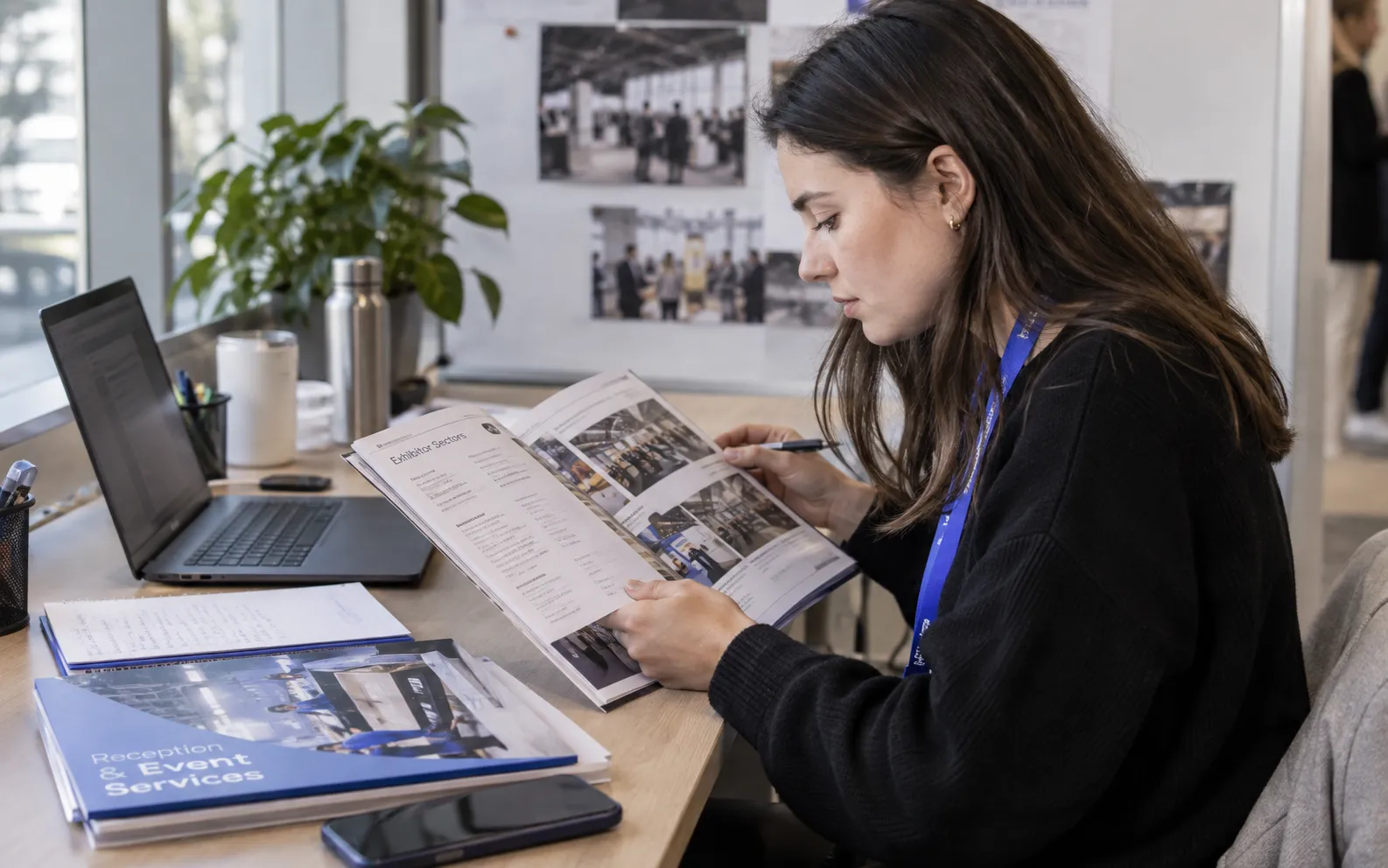
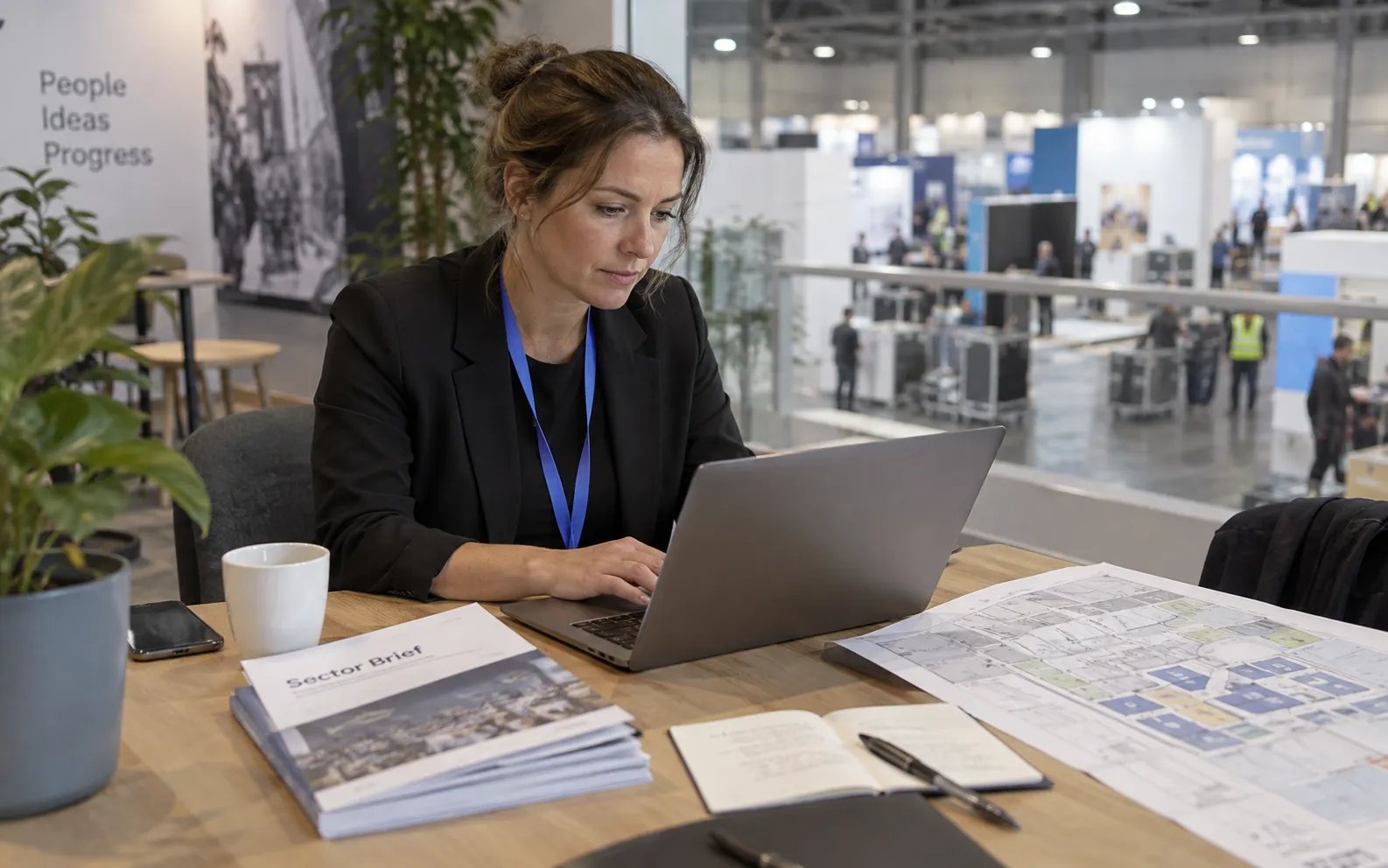
Generated scenario: exhibitor colleagues scouting an industry exhibition with an event guideGenerated scenario: an exhibitor team qualifying account priorities using company researchGenerated scenario: sales colleagues reviewing a catalogue and agenda before outreachGenerated scenario: an exhibitor preparing a thoughtful pre-show invitationGenerated scenario: An event services planner marks two relevant venues on a physical regional map while a colleague checks an open printed calendar, at a venue operations deskGenerated scenario: An agency business developer browses a printed industrial exhibitor directory beside a laptop at the edge of an exhibition hallGenerated scenario: A producer and account director review three prospective exhibitor folders alongside an equipment availability schedule in a studio meeting areaGenerated scenario: An agency account manager prepares a specific exhibitor outreach brief at a laptop with a relevant product brochure and show plan beside it, an audiovisual rental workshop in backgroundGenerated scenario: A fabrication planner checks a wall calendar and a folded delivery-region map beside stacked stand panels and packed transport crates in a clean workshopGenerated scenario: An exhibit design researcher studies a company product brochure next to material swatches and a laptop in a small practical studioGenerated scenario: Two stand designers compare printed photographs of the same fictional company's booths at different venues on a workshop pinboardGenerated scenario: An exhibit builder's account manager drafts a project question beside a notebook, phone and simple booth floorplan, with the workshop beyond an internal windowGenerated scenario: A cinematographer and producer review physical sample footage stills and industry catalogues beside a camera rig in their working studio, choosing an industry specialtyGenerated scenario: A video researcher looks closely at a small industrial component on a demo table while an exhibitor explains it, printed product literature and a compact camera bag nearbyGenerated scenario: A studio producer reviews an exhibitor's publicly available marketing brochure and a role-research notebook beside a laptop, with an empty interview lighting setup in the backgroundGenerated scenario: A video director prepares a simple pencil storyboard and outreach note on a studio worktable, an industrial product brochure and a professional camera lens give contextGenerated scenario: A staffing planner compares two venue dates on a paper calendar with travel-distance notes, in a backstage office with unbranded lanyards and radios neatly on shelvesGenerated scenario: An event staffing researcher reviews exhibitor sectors in a printed trade-show catalogue beside a reception-service portfolio at a practical agency deskGenerated scenario: An agency coordinator reviews a client organization sketch and event operations contact notes with a colleague, sitting near an empty registration areaGenerated scenario: A staffing business developer prepares a tailored outreach note beside shift planning paperwork and a laptop, in a quiet convention venue service officeGenerated scenario: Two procurement colleagues define sourcing needs using paper material samples, packaging prototypes and a plain checklist at a working table before a sourcing tripGenerated scenario: A sourcing researcher compares supplier product brochures with actual small packaging samples in a quiet exhibition loungeGenerated scenario: A buyer and technical colleague examine carton construction and paper samples with a caliper and a question notebookGenerated scenario: A buyer prepares supplier questions in a notebook alongside an event floorplan and laptop, with the relevant sample package on the table in a hotel workspace near the exhibitionGenerated scenario: Two exhibition organizers survey comparable hall layouts and sector catalogues spread across a large venue planning tableGenerated scenario: An event acquisition planner sorts prospective exhibitor and sponsor company folders into focused category groups beside a physical show floorplanGenerated scenario: An organizer's commercial researcher reviews partnership and procurement role notes with a colleague at a desk overlooking an empty hall being set upGenerated scenario: An exhibition commercial director prepares a relevant company invitation at a laptop with a venue map and researched sector brief beside itGenerated scenario: A sales rep and account manager compare a small company shortlist with an industrial trade-show catalogue at a booth planning table before openingGenerated scenario: A sales researcher studies a printed company overview and relevant role notes at a laptop in a venue loungeGenerated scenario: A sales lead hands a neatly prepared prospect folder to a colleague over a stand meeting table, alongside an event guide and question notesGenerated scenario: A sales rep drafts a careful pre-show invitation at a laptop in a quiet booth alcove, consulting researched company notes and an event guideGenerated scenario: A demand generation planner reviews an offer brief with sector-specific product brochures and an upcoming trade-show programme in a modest officeGenerated scenario: A researcher and marketer compare selected industrial company profiles against a concise paper qualification checklistGenerated scenario: A marketer researches relevant buying roles using company literature and a laptop while keeping an official event source in an open notebookGenerated scenario: A demand generation lead passes a researched account brief to a sales colleague at an office meeting table, both reviewing the same folder and next-step notesGenerated scenario: A field event planner surveys a private meeting venue beside a window overlooking an ordinary business district, a regional map and date notes in handGenerated scenario: Two field marketers compare regional company research folders with a city-area map at a venue side tableGenerated scenario: A field marketer reviews business-role notes with an account executive at a quiet lounge table, regional show guide and invitation planning notebook nearbyGenerated scenario: A regional account owner prepares a thoughtful dinner invitation at a laptop while the field marketer consults the event brief beside themGenerated scenario: Two event marketers compare industry show catalogues and date options with a physical wall map, choosing where the company should exhibitGenerated scenario: An event campaign planner compares target company profiles with a product audience brief at a table with unbranded stand material samplesGenerated scenario: An event marketer and sales lead jointly annotate a researched prospect brief with roles, source notes and open questionsGenerated scenario: An event marketer coordinates a pre-show account handoff on a laptop with a sales colleague, using paper invitation notes and their existing planning materials
WHAT YOU WALK AWAY WITH

A focused account list for client development.

  • Prospects in your service area Relevant exhibitors grouped around the events and locations you support.
  • A qualification checklist Event date, company fit, likely buying role, and open questions about staffing requirements.
  • Selected business contacts Available contact details for the accounts your team has chosen to pursue.
PUT IT INTO PRACTICE

A client brief that respects your team’s capacity.

Illustrative example — sample research, not a customer result. An agency supplies bilingual booth teams in one region.

  • Location and dates Select shows within the agency’s operating area and check staff availability against event dates.
  • Service fit Research exhibitors in industries the agency can support. Identify the language and onsite service capabilities your team can offer.
  • Relevant roles Look for events, field marketing or operations contacts; confirm whether the exhibitor or its agency manages staffing.
  • Questions for the client Which roles, languages, shifts and training would the show require? Does the company already have a team or staffing partner?
  • Reasons to pass Dates without capacity, unsupported languages or roles, and locations outside reliable delivery coverage.

This is business client development. Candidate sourcing, screening, scheduling and payroll remain in the agency’s existing systems.

Explore service-provider prospecting →

Use a service-fit gate before assigning sales time.

  1. Coverage: Check location, event dates, and your team's available capacity.
  2. Account relevance: Research companies whose public event context fits the onsite services you offer.
  3. Decision path: Ask whether staffing is managed by the exhibitor, an agency, or another event partner.
  4. Qualification: Confirm roles, languages, shifts, training, and scope before offering availability or a price.

Record the event source, account-fit reason, contact owner, and unanswered service questions in your working brief. Read the event staffing client-development workflow for a practical application.
EVIDENCE BEFORE OUTREACH

Know what each signal actually tells you.

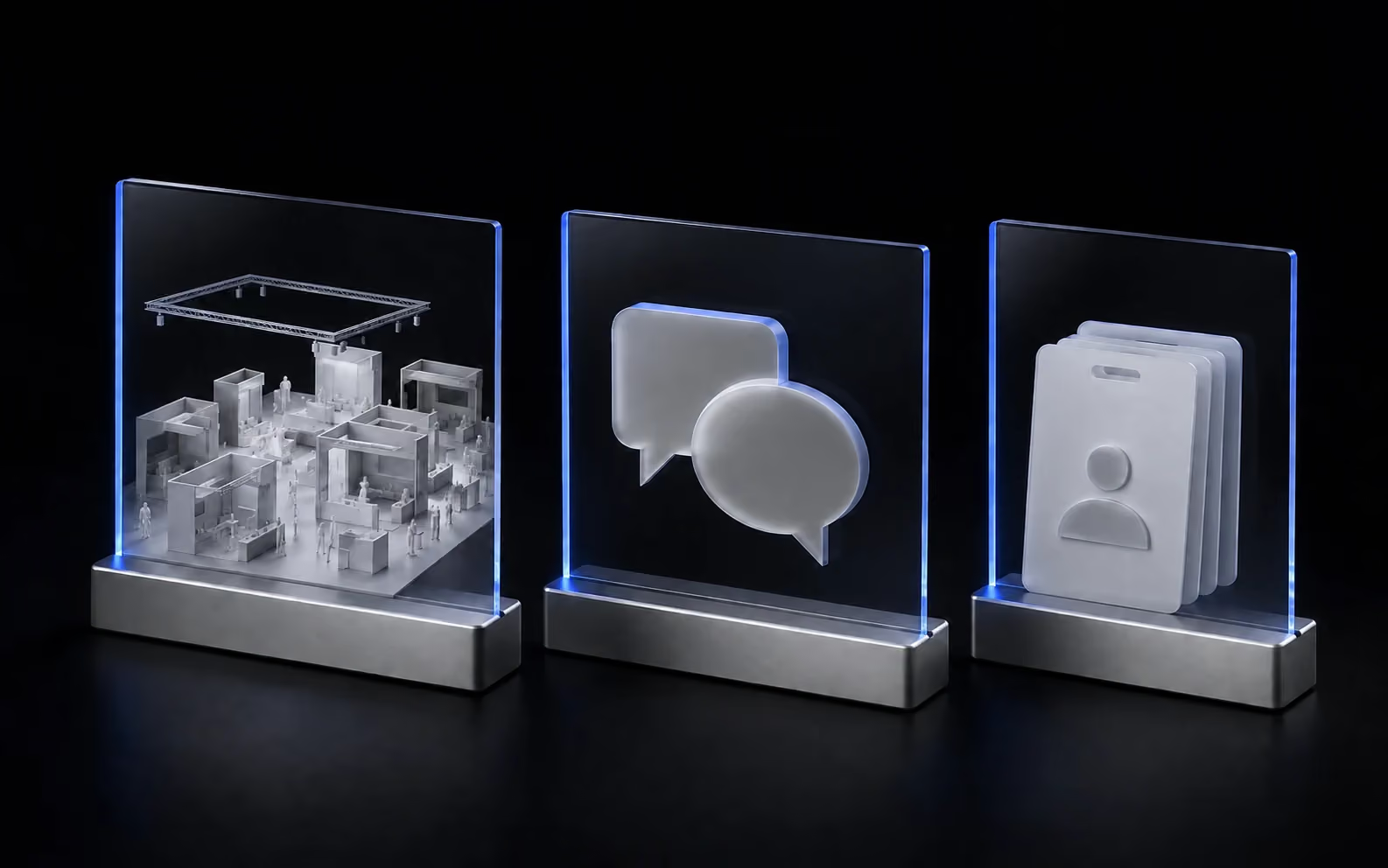
Book Demo →Illustration of three distinct sources: exhibitors, public social signals and visitor records
Exhibitors
Companies listed in official exhibitor or sponsor sources.
Social Signals
Public event-related activity. A research signal, not confirmed registration.
Visitors
Organizer or data-partner records, where available for the event.

Review the source behind each record. Exhibitors are connected to official exhibitor or sponsor sources. Social Signals reflect public event-related activity and do not establish confirmed registration. Visitors are supplied by organizers or data partners where available.

Coverage varies by event, timing, and source. Contact enrichment does not prove attendance, an open budget, or purchase intent. Keep those questions visible during qualification.

GOOD QUESTIONS

Before you build your list.

A clear view of what Lensmor helps you do and what your team should verify.

Is Lensmor a candidate database or recruiting platform?

This workflow is for finding potential business clients connected to events. It is not a candidate sourcing, worker screening, scheduling, or payroll system.

Does exhibiting mean a company needs temporary staff?

No. The company may use its own team or an existing agency. Use the event connection to ask about the plan, not to claim an unverified staffing need.

Can we target a specific region or industry?

Start with relevant events and use available company information and compatible filters to narrow the list. Data depth varies, so review the resulting accounts before outreach.

Can we use this for broader staffing business development?

Event participation can provide company context, but it is not evidence of a hiring requirement. This page focuses on event staffing; qualify any broader recruitment need separately.

Deals booked before doors open.
Start free. No credit card.